
Dog Owner Liability 2025: Ultimate Guide
Why Dog Owner Liability Matters for Every Pet Owner and Injury Victim
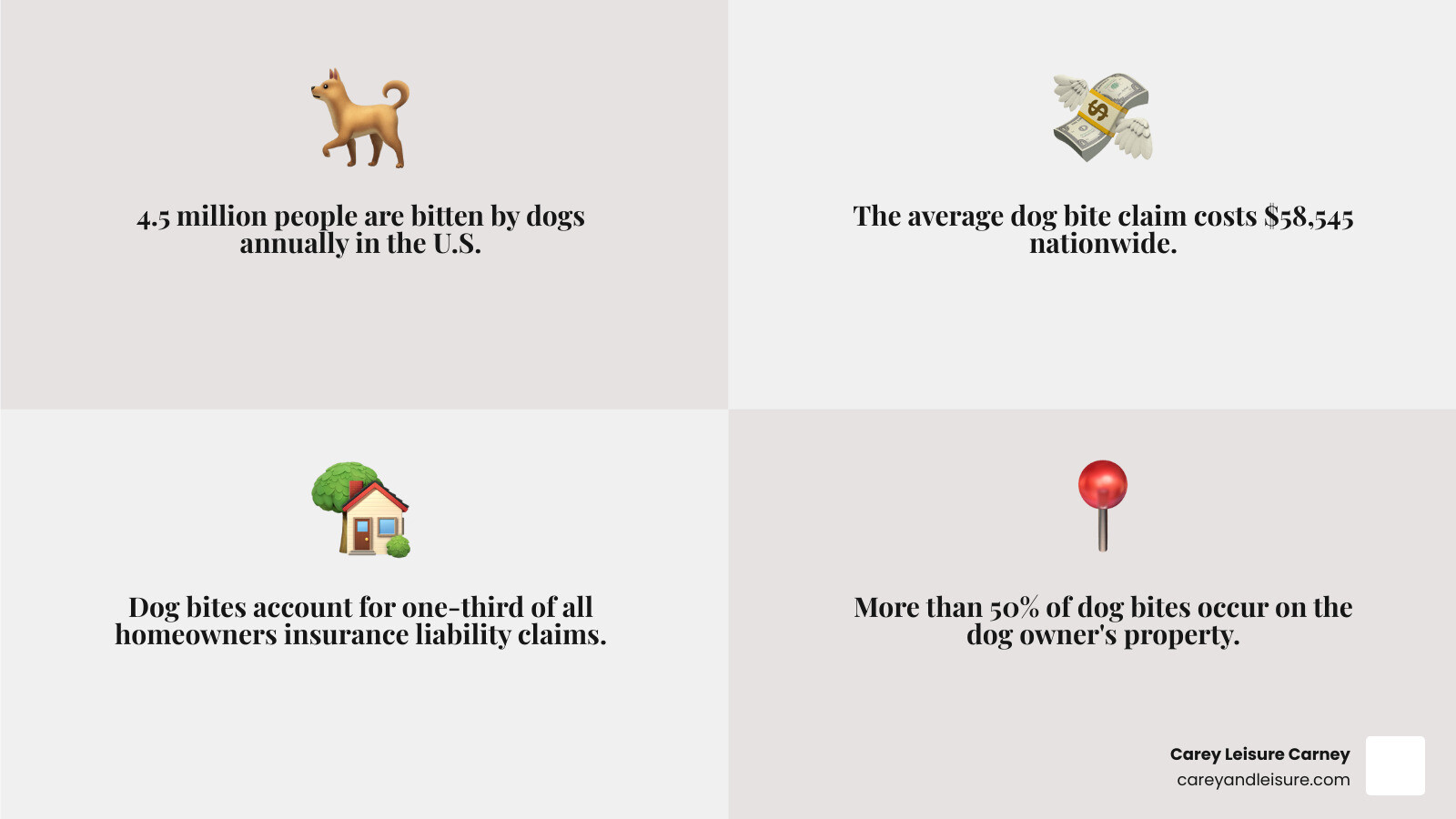
Dog owner liability is the legal and financial responsibility a pet owner holds if their dog injures someone. With over 4.5 million dog bites occurring annually in the U.S., understanding these laws is essential for owners and victims alike. The stakes are high, involving significant medical bills, lost wages, and emotional trauma.
Key facts to consider:
- Strict Liability States: In places like Florida, owners are automatically responsible for bites, even if the dog has no history of aggression.
- High Costs: The average dog bite claim is over $58,000, and these costs are rising.
- Insurance Impact: Dog bites make up one-third of all homeowners insurance liability claims.
- Location: Over half of all bites happen on the dog owner’s property.
Understanding your rights and responsibilities is the first step toward prevention and protection. This guide will walk you through Florida’s laws, insurance coverage, and what to do if an incident occurs.
The Legal Leash: Understanding the Basis of Dog Owner Liability
When a dog causes harm, the owner’s legal accountability is determined by state law. Most states, including Florida, follow one of two primary legal doctrines: strict liability or the “one-bite” rule (a form of negligence).
- Strict Liability: The owner is liable for a bite even if the dog never showed aggression before. The victim doesn’t have to prove the owner was careless. This is the standard in Florida.
- The “One-Bite” Rule: The owner is only liable if they knew or should have known their dog was dangerous. This can make it harder for victims to get compensation for a first-time incident.
This table breaks down the key differences:
| Feature | Strict Liability | The “One-Bite” Rule/Negligence |
|---|---|---|
| Owner’s Knowledge | Not required | Owner must have known the dog was dangerous |
| First Bite | Owner is liable | Owner may not be liable |
| Burden of Proof | Victim proves bite & lawful presence | Victim proves owner’s negligence/knowledge |
| Examples | Florida, California, New York | Texas, Virginia (in some cases) |
Beyond specific bite statutes, general negligence principles can apply. If an owner fails to use reasonable care—like letting a dog run loose in violation of leash laws—they can be held liable for non-bite injuries, such as the dog knocking someone over. These cases often intersect with premises liability, which governs injuries that happen on someone else’s property.
Florida Law: A Closer Look at Strict Liability and Negligence
Florida law strongly favors protecting bite victims through its strict liability and negligence principles. Understanding these specifics is crucial for any dog owner in the state.
Florida’s Strict Liability Dog Bite Statute
Under Florida Statutes Section 767.04, there is no “one free bite.” An owner is liable for damages if their dog bites someone, regardless of the dog’s past behavior or the owner’s knowledge of any aggressive tendencies.
This applies if the victim is:
- In a public place (like a park or sidewalk).
- Lawfully on private property (as an invited guest, mail carrier, or repair worker).
When Negligence Applies
For non-bite injuries or situations outside the bite statute, negligence is key. Negligence means failing to use the reasonable care expected of a pet owner. Common examples include:
- Failure to Restrain: Violating leash laws or having inadequate fencing can lead to liability. If a leash law is broken, it may be considered negligence per se, meaning the violation itself proves negligence.
- Known Dangerous Propensities: If an owner knows their dog has aggressive tendencies (e.g., prior growling or nipping), they have a higher duty to prevent harm.
Florida also uses Comparative Negligence. This means a victim’s compensation may be reduced if they were partially at fault for their own injury (for example, by provoking the dog).
Responsible Ownership: How to Prevent Incidents and Limit Liability
The best way to avoid a dog owner liability claim is through responsible ownership. Proactive steps in training, containment, and care protect your dog, your finances, and your community.

Key prevention strategies include:
- Training and Socialization: A well-socialized dog that is comfortable around new people and animals is less likely to react with fear or aggression.
- Spaying or Neutering: This simple procedure can make dogs three times less likely to bite by reducing territorial and aggressive behaviors.
- Proper Containment: Since over half of bites occur on the owner’s property, a secure fence and latched gates are critical. In public, always use a leash.
- Child Safety: Always supervise interactions between dogs and children. Teach kids how to approach animals safely and to respect a dog’s space, especially when it’s eating or sleeping.
Key Responsibilities Under the Law
Florida law requires dog owners to meet certain obligations:
- Containment and Leash Laws: You must keep your dog securely fenced at home and leashed in public. Violating local leash laws can result in a finding of “negligence per se” if an injury occurs.
- Vaccinations and Licensing: Keeping rabies vaccinations current is a legal requirement that protects public health. Licensing helps fund animal services and identify your pet if it gets lost.
- Local Ordinances: Be aware of your city or county’s specific rules regarding noise, waste cleanup, and pet limits.
Breed-Specific Considerations and Insurance
While Florida has no statewide breed bans, owning certain breeds (like Pit Bulls, Rottweilers, or German Shepherds) can affect your insurance. Insurers may increase premiums, exclude dog bite coverage, or even cancel your policy. It is crucial to be honest with your insurance company about your dog’s breed to ensure your claim is not denied when you need coverage most.
After a Bite: Navigating the Consequences
When a dog bite occurs, the aftermath can be challenging for both the owner and the victim. Understanding the potential consequences and the steps to recovery is vital.
What Happens to the Owner and the Dog?
Under Florida’s strict liability law, an owner faces significant consequences after a bite:
- Civil Lawsuits: Owners are responsible for the victim’s damages, which can include medical bills, lost wages, and pain and suffering. The average claim exceeds $58,000 and can be much higher in severe cases.
- Fines and Penalties: Animal control may issue fines.
- Dangerous Dog Designation: A court may label the dog as “dangerous,” requiring the owner to follow strict rules like using a muzzle in public, maintaining a secure enclosure, and carrying special licensing.
- Euthanasia: In the most severe cases where a dog is deemed an ongoing public threat, a court may order euthanasia.
- Criminal Charges: While rare, charges are possible if an owner’s reckless behavior leads to severe injury or death. For more details, see The Legal Ramifications of Dog Bites.
A Victim’s Path to Compensation
If you are bitten by a dog, take these steps to protect your health and legal rights:
- Seek Immediate Medical Attention: Dog bites carry a high risk of infection. Document every visit and expense.
- Identify the Dog and Owner: Get the owner’s name, contact information, and insurance details.
- Gather Evidence: Take photos of your injuries, the dog, and the location. Save any torn clothing. Our guide on Documenting Evidence in Personal Injury Claims can help.
- Report the Incident: File a report with your local animal control agency to create an official record.
- Do Not Admit Fault: Avoid making statements to the owner or their insurance company before seeking legal advice.
- Contact a Dog Bite Attorney: An experienced lawyer can steer the claims process and fight for the compensation you deserve for medical expenses, lost wages, and pain and suffering. Our Personal Injury Attorney: Dog Bite Attorney team is here to help.
Financial Protection and Legal Defenses
Given that the average dog bite claim costs over $58,000, having the right financial protection and understanding your legal defenses is not just smart—it’s essential.

How Insurance Coverage Works for Dog Bite Claims
Your homeowner’s or renter’s insurance is your first line of defense. Most policies include liability coverage ($100,000 to $300,000 is standard) for legal costs and damages. However, with dog bites accounting for one-third of all homeowners insurance liability claims, insurers are becoming more restrictive.
Be aware of:
- Breed Exclusions: Many policies exclude certain breeds (e.g., Pit Bulls, Rottweilers) or charge higher premiums.
- Disclosure: You must inform your insurer about your dog’s breed and any bite history, or your claim could be denied.
- Umbrella Policies: For extra protection, an umbrella policy provides an additional $1 million or more in liability coverage for a relatively low cost.
For a deeper dive, Nolo offers a guide on Dog Owners’ Liability Insurance.
Common Defenses to a Dog Owner Liability Claim
While Florida’s strict liability law is tough, a few defenses may reduce or eliminate an owner’s liability:
- Trespassing: Generally, an owner is not liable if the dog bites someone unlawfully on their property.
- Provocation: If the victim was teasing, tormenting, or attacking the dog, the owner may not be at fault.
- “Bad Dog” Sign: Florida law provides a partial defense if the owner displayed an easily readable “Bad Dog” sign on their property. This defense does not apply if the victim is under 6 or if the owner’s negligence caused the bite.
- Comparative Negligence: If the victim was partially at fault, their compensation can be reduced by their percentage of fault.
Frequently Asked Questions about Dog Owner Liability
Here are quick answers to common questions about dog owner liability.
Can a landlord be held liable for a tenant’s dog?
Usually, no. However, a landlord may share liability if they knew the tenant’s dog was dangerous but failed to take reasonable action, such as enforcing a no-pets policy or addressing the danger in common areas they control. These cases often involve principles of premises liability.
What should I do immediately after being bitten by a dog?
Your health and legal case depend on taking the right steps:
- Seek medical care immediately.
- Identify the dog and owner and get their contact information.
- Get contact info from any witnesses.
- Report the bite to local animal control.
- Take photos of your injuries and the scene.
- Contact a dog bite attorney before speaking to insurance companies.
How much is a typical dog bite claim worth?
There is no “typical” amount, as it depends entirely on the case specifics. While the national average claim is $58,545, the value is determined by factors like:
- The severity of the injury and any permanent scarring or disfigurement.
- Total medical bills, both current and future.
- Lost income and impact on future earning ability.
- The degree of physical pain and emotional suffering (trauma, anxiety, etc.).
An experienced attorney can evaluate these factors to determine the potential value of your specific claim.
Injured by a Dog? Understand Your Legal Options
Being injured by a dog is a traumatic experience with serious physical, emotional, and financial consequences. Florida’s strict dog owner liability laws are designed to protect victims, but navigating the legal system and dealing with insurance companies can be overwhelming while you are trying to heal.
At Carey Leisure Carney, our board-certified attorneys—a distinction held by only the top 2% in Florida—have over 100 years of combined experience helping injury victims. We understand the complexities of dog bite cases and know how to fight for the maximum compensation you deserve.
You don’t pay unless we win. This allows you to focus on your recovery while we handle the legal battle. You will have direct access to your attorney, ensuring personalized service throughout your case.
If a dog has injured you or a loved one, don’t wait. Contact our Premises Liability Attorney team to protect your rights.
Call us today for a free consultation. We serve clients from our offices in Clearwater, Largo, New Port Richey, Spring Hill, St Petersburg, Trinity, and Wesley Chapel.