
Emergency Room Errors: Top 5 Critical Risks
When Seconds Count: Understanding the Reality of Emergency Room Errors
When you rush to the ER, you expect immediate, accurate care. But the reality is that emergency room errors happen more often than people realize, making them a significant patient safety concern affecting millions of Americans each year.
Key Facts About Emergency Room Errors:
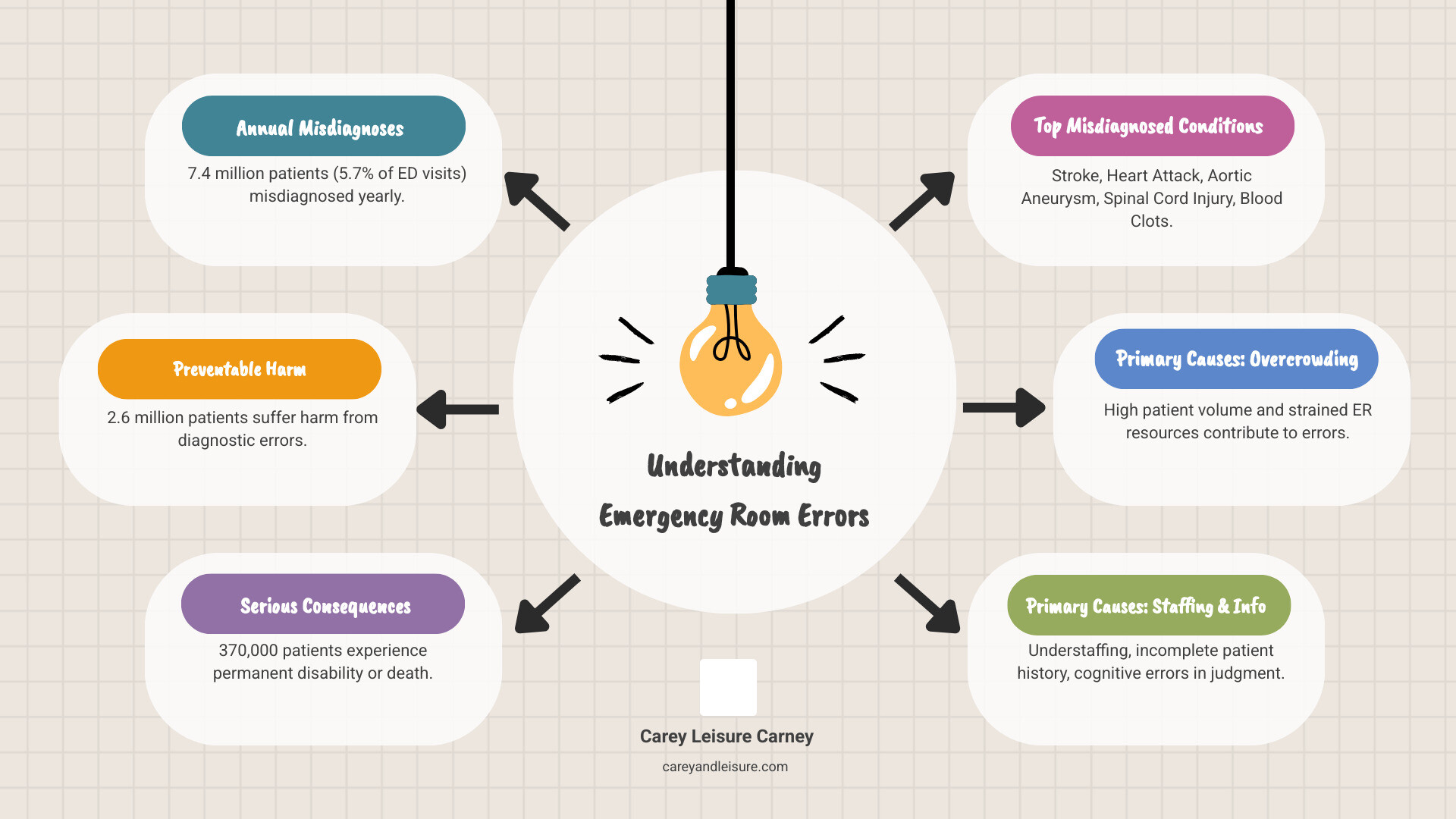
- 7.4 million patients are misdiagnosed annually in U.S. emergency departments (approximately 5.7% of all ED visits)
- 2.6 million patients suffer preventable harm from diagnostic errors each year
- 370,000 patients experience serious harm, including permanent disability or death
- Top 5 misdiagnosed conditions: Stroke, heart attack, aortic aneurysm/dissection, spinal cord injury, and blood clots
- Primary causes: Overcrowding, understaffing, incomplete patient history, cognitive errors in clinical decision-making
The ER is a uniquely challenging environment. Doctors and nurses work under immense pressure with life-threatening conditions, constant interruptions, and incomplete information. This high-stakes setting creates conditions where errors can occur, despite the best efforts of medical staff.
These aren’t just statistics; they represent people who sought help and left with worsened conditions or preventable injuries. The consequences can be devastating: prolonged suffering, permanent disability, mounting medical bills, lost wages, and in the worst cases, wrongful death.
As a board-certified civil trial attorney with over three decades of experience in medical malpractice, I’ve seen how these errors shatter lives. At Carey Leisure Carney, we help clients understand their rights and pursue justice after suffering from preventable medical mistakes in the ER.
The Scope and Types of Emergency Room Errors
Emergency room errors are mistakes during emergency care that fall below the accepted medical standard and cause patient harm. With over 140 million ER visits annually in the U.S., even a small error rate affects millions of people. Research shows that approximately 5.7% of emergency department visits result in a misdiagnosis.
These errors take many forms:
- Diagnostic errors: The most common type, involving a misdiagnosis, delayed diagnosis, or failure to diagnose a critical problem.
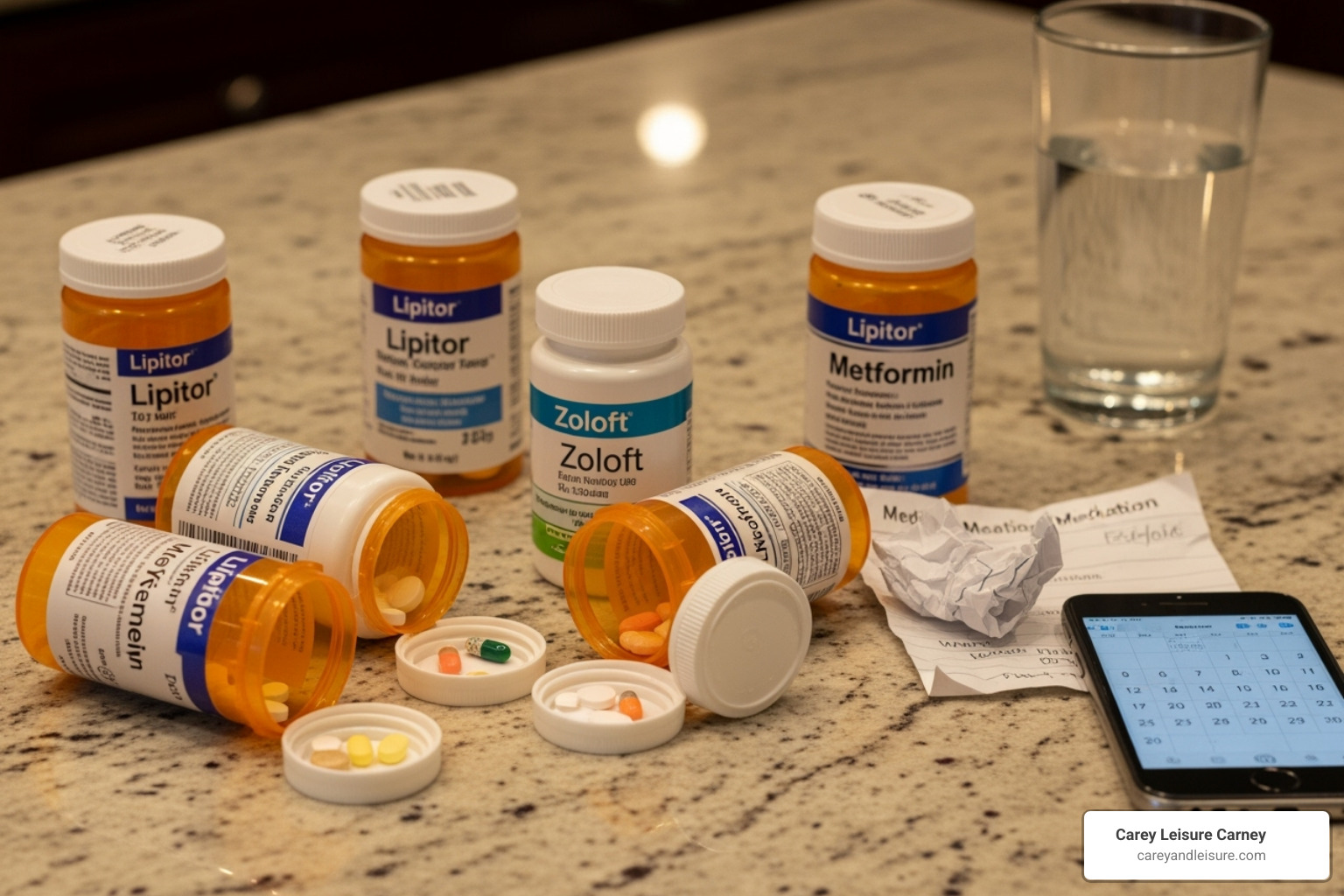
- Medication errors: Mistakes in prescribing, dispensing, or administering drugs, such as the wrong dose or a dangerous interaction. Studies show these occur in about 22% of ER cases.
- Treatment errors: Providing the wrong treatment, delaying necessary care, or performing a procedure incorrectly.
- Communication and administrative failures: Missed information between providers, patient identification mistakes, or improper discharge instructions can all lead to harm.
Common Types of Emergency Room Errors
Let’s look more closely at the specific errors that cause the most serious harm in emergency rooms.
Misdiagnosis is arguably the most dangerous ER error. An incorrect or overlooked diagnosis means you get the wrong treatment—or no treatment—while your condition worsens. Research shows that 89% of serious misdiagnosis claims involve failures in clinical assessment or reasoning.
Delayed diagnosis is just as serious. By the time the correct diagnosis is made, precious time is lost, and your condition may have become much more severe.
The top five misdiagnosed conditions in emergency rooms are stroke, myocardial infarction (heart attack), aortic aneurysm or dissection, spinal cord compression or injury, and venous thromboembolism (blood clots). These are often life-threatening and can present with subtle symptoms.
Medication dosage mistakes can stem from miscalculations, miscommunication, or giving the wrong drug to the wrong patient in a chaotic ER.
Lab test errors, such as mislabeled specimens or misinterpreted results, can lead to diagnostic failures. Radiologists may even miss key findings due to “inattentional blindness.”
Premature discharge occurs when you’re sent home before your condition is stable, often leading to a return visit or worse.
For critical injuries like traumatic brain injuries, timely and accurate diagnosis can mean the difference between recovery and permanent disability. You can learn more about the legal aspects of such injuries at our page on TBI Legal Rights.
Specific Challenges: Heart Attacks and Strokes
Diagnosing heart attacks and strokes is especially challenging in the ER, as these time-sensitive conditions can present with atypical symptoms.
Atypical symptoms are a major factor. A heart attack may not involve classic chest-clutching; women often experience nausea or fatigue. Stroke symptoms like dizziness or mild confusion can be dismissed, especially in younger patients, who are nearly seven times more likely to have a stroke misdiagnosed.
Under pressure, staff may misinterpret symptoms as less urgent, delaying crucial tests like EKGs, cardiac enzyme tests, or brain imaging. By the time the correct diagnosis is made, valuable treatment time has been lost.
The time-sensitive nature of these conditions cannot be overstated. For heart attacks and strokes, every minute counts. Delayed treatment can cause irreversible damage. Stroke is missed in an estimated 17% of ER cases, with consequences ranging from permanent disability to death—as detailed in scientific research on misdiagnosis-related harms. These are real people who came to the hospital for help and left with preventable injuries.
Why Do Errors Happen? The High-Stakes ER Environment
The ER is a pressure-cooker environment where life-or-death decisions are made in minutes. This high-stakes setting, unfortunately, creates conditions ripe for emergency room errors, even among skilled professionals.
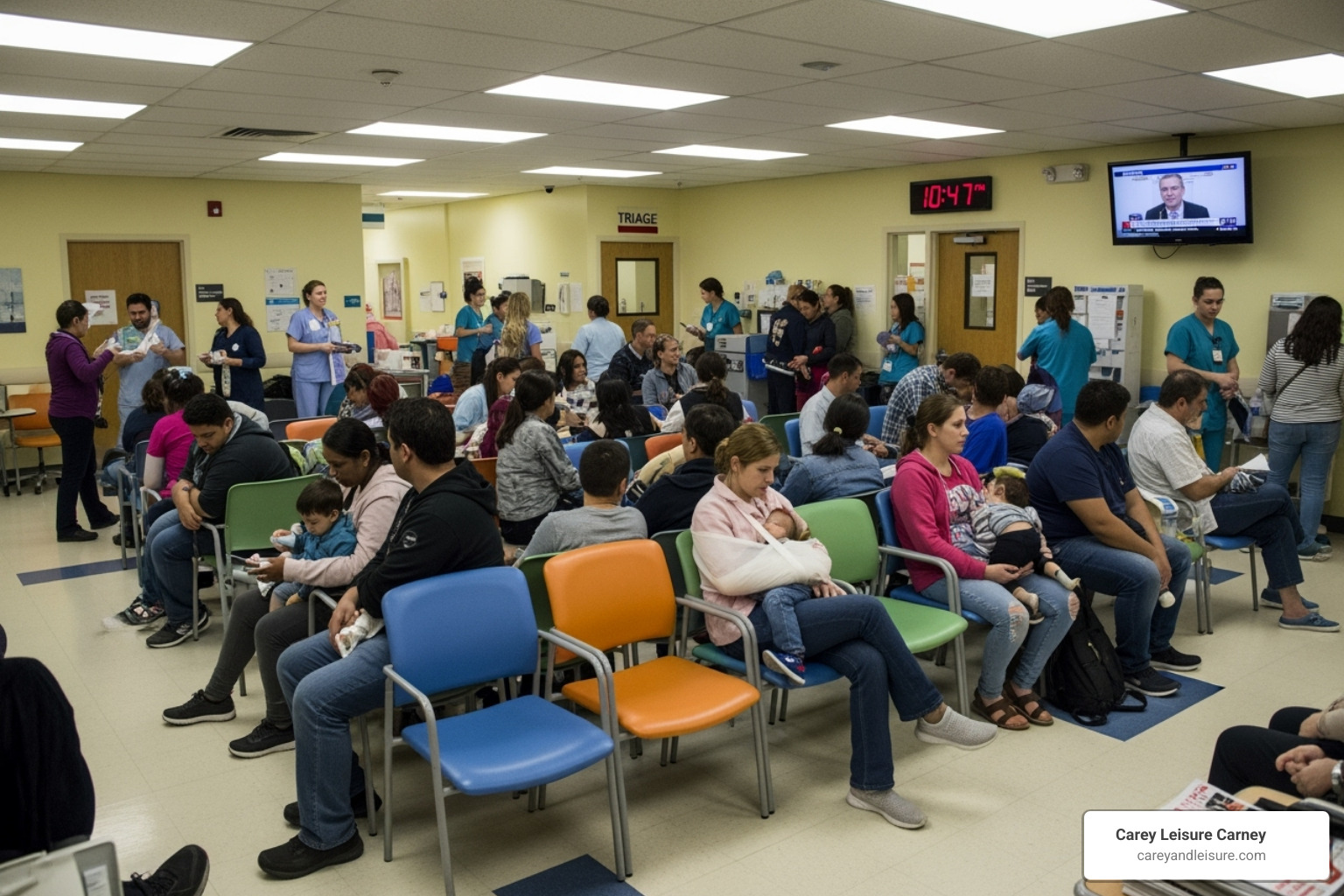
Overcrowding and understaffing stretch staff to their limits, reducing the time and attention each patient receives. This relentless pace contributes to physician burnout, which directly impacts patient safety by impairing judgment.
Constant chaos leads to frequent interruptions. An emergency physician can spend nearly a third of their time dealing with disruptions, breaking concentration at critical moments.
Communication breakdowns occur when critical information is lost between providers, during shift changes, or is not properly recorded in a patient’s chart.
ER doctors often work with an incomplete patient history, as patients may be unconscious or too ill to provide necessary details, making diagnosis more difficult.
Even the best doctors are susceptible to cognitive bias. Under pressure, the brain takes mental shortcuts that can lead away from the correct diagnosis, such as latching onto the first plausible explanation (anchoring bias).
Errors often start with triage, where a patient’s condition is assessed as less serious than it is (“undertriage”). This delays care for those who need it most, as research shows triage accuracy is only about 60%.
Systemic Failures and Contributing Factors
Beyond individual pressures, larger systemic failures built into how emergency departments operate contribute to mistakes.
High patient volume and overcrowding lead to treatment delays. Studies show that delayed consultation or treatment affects over a quarter of patients. When you’re waiting for care, a manageable problem can become catastrophic.
Shift changes and patient handoffs are vulnerable points where critical information can be lost in translation.
Systemic issues like equipment malfunction and poorly designed Electronic Health Records (EHR) add to the risk. EHR systems can cause “alert fatigue,” where staff begin to ignore constant warnings, potentially missing a critical one.
This combination of overcrowding, understaffing, communication failures, and systemic problems creates a perfect storm for emergency room errors and preventable harm.
If you or a loved one has suffered a serious injury due to a medical error, the consequences can be life-altering. Learn more about these types of situations on our Catastrophic Injury Complete Guide.
The Human Cost: Consequences and How to Spot a Mistake
Emergency room errors have a real human cost, forever changing the lives of patients and their families. The consequences are not just statistics; they are devastating realities.
The physical consequences can be severe. A misdiagnosis allows a condition to worsen, while a medication error can cause new health problems. For about 370,000 patients annually, the harm is catastrophic, leading to permanent disabilities like paralysis or loss of function.
The emotional toll includes anxiety, depression, and a loss of trust in the healthcare system, which can make patients hesitant to seek future care.
The financial burden is also immense. Corrective treatments and ongoing care create mountains of medical bills, while lost wages from being unable to work compound the crisis. Understanding the full scope of these damages is essential, which is why we’ve created a comprehensive guide on what your personal injury case is worth.
In the most tragic cases, emergency room errors are fatal, contributing to the staggering number of preventable deaths in the U.S. healthcare system.
Recognizing the Red Flags of an ER Error
You don’t need a medical degree to spot a potential error. Trust your instincts and watch for these red flags:
- Your condition keeps getting worse. If you’re not improving with treatment, or your symptoms are intensifying, something may be wrong.
- The diagnosis doesn’t add up. If the doctor’s explanation doesn’t match what you’re feeling, speak up and ask questions.
- Poor communication from staff. Do you feel rushed, dismissed, or ignored? Quality care requires genuine communication.
- Conflicting information. When different staff members give you contradictory information, it signals a communication breakdown.
- Consider getting a second opinion. Another doctor’s perspective can confirm your care or reveal a missed issue.
- Document everything. Write down dates, symptoms, treatments, and names of staff. This record is invaluable if an error occurred. For guidance on preserving this critical evidence, visit our page on documenting evidence in personal injury claims.
You have the right to advocate for yourself or have a loved one do so. In the ER, speaking up when something feels wrong is critical for your health and safety.
Your Legal Rights and Next Steps After an ER Error
When emergency room errors cause harm, it becomes a legal issue. Understanding your rights is the first step toward justice.
Healthcare providers must meet the standard of care—the level of competence a reasonable professional would provide in similar circumstances. When they fail to meet this standard and cause you harm, it’s medical negligence. Proving this requires showing a direct link between the provider’s failure and your injury, often with detailed evidence and expert testimony.
Be aware of the statute of limitations, a strict legal deadline for filing a medical malpractice claim. Missing it can mean losing your right to seek compensation entirely.
Navigating the Aftermath of Emergency Room Errors
If you suspect an ER error, act quickly:
- Get medical help immediately. Your health is the top priority. Seek care from a different provider if your condition is worsening.
- Start documenting everything now. Write down all details of your ER visit, including symptoms, treatments, and staff names. This documentation is crucial evidence.
- Request copies of your medical records from the ER visit and any follow-up care. You have a legal right to these documents.
- Under the Emergency Medical Treatment and Labor Act (EMTALA), hospitals must provide a medical screening and stabilizing treatment to anyone with an emergency condition, regardless of their ability to pay. You can read more about this important protection at the Federal law on emergency treatment (EMTALA) website.
- Consider filing a complaint with the hospital. This creates an official record and may prompt an internal investigation.
- Consult with an attorney who specializes in medical malpractice. This is your most important step. An experienced attorney can evaluate your case, gather evidence, and guide you through the complex legal process. For more guidance on documenting your case properly, check out our resource on documenting evidence in personal injury claims.
Who Can Be Held Liable?
When an emergency room error occurs, several parties may be held liable:
- Emergency room physicians and nurses can be held liable for mistakes like misdiagnosis or medication errors.
- Technicians and support staff may be responsible for errors like mislabeling lab specimens or performing tests incorrectly.
- Consulting specialists who provide negligent advice can also be held liable.
- The hospital itself is often a key defendant. It can be held vicariously liable for its employees’ actions or face direct liability for systemic failures like understaffing, faulty equipment, or inadequate safety protocols.
Understanding liability is essential to building a strong case. For a deeper look at how medical negligence works in personal injury cases, visit our page on Medical Malpractice and Bodily Injury.
Frequently Asked Questions about ER Medical Errors
After an emergency room error, it’s natural to have questions. As a medical malpractice attorney with over three decades of experience, I’ve addressed these common concerns for many families in Clearwater and across Florida.
What is the difference between a medical error and medical malpractice?
A medical error is any mistake in care. It may or may not cause harm, and not all errors constitute malpractice.
Medical malpractice occurs when a provider’s care falls below the accepted standard, and this negligence directly causes you harm. To prove it, we must establish that the provider owed you a duty of care, they breached that duty, and that breach directly caused your injury. For example, dismissing chest pain as heartburn without proper testing, leading to a preventable heart attack, is malpractice.
How long do I have to file a lawsuit for an ER error in Florida?
In Florida, the statute of limitations is critical. You generally have two years from the date you finded (or should have finded) the injury caused by malpractice to file a lawsuit.
There is also a statute of repose, an absolute deadline of four years from the date of the incident, with very few exceptions. Because these deadlines are strict, it’s crucial to contact an attorney immediately if you suspect malpractice. For more detailed information on these timelines, please visit our guide on How Long Do You Have to File a Medical Malpractice Lawsuit in Florida?.
What kind of compensation can I receive for an ER malpractice claim?
If you’ve been harmed by an emergency room error, you can seek compensation (damages) for your losses. The goal is to make you as whole as possible. Damages can include:
- Medical expenses: Both past and future costs for treatment, rehabilitation, and care.
- Lost income: Past lost wages and future loss of earning capacity.
- Pain and suffering: Compensation for physical pain and emotional distress.
- Permanent disability or disfigurement: For life-altering changes like paralysis, scarring, or loss of bodily function.
- Loss of enjoyment of life: For the inability to participate in activities you once loved.
The amount of compensation depends on the specifics of your case. Our team at Carey Leisure Carney works to ensure you receive full and fair compensation for all the ways the emergency room error has affected you and your family.
How a Board-Certified Attorney Can Help
Navigating the aftermath of an emergency room error requires navigating a complex legal system. Medical malpractice cases are among the most challenging, and having the right attorney is critical.
At Carey Leisure Carney, our board-certified attorneys represent the top 2% of Florida lawyers, recognized for exceptional skill in civil trial law. With over 100 years of combined experience, we bring proven expertise to your case.
Our approach sets us apart. You get direct access to the senior trial attorney handling your case, ensuring you receive the personalized attention and compassion you deserve.
How We Help:
- We conduct a thorough investigation, consulting with medical experts to prove negligence.
- We calculate the full extent of your damages, including future care needs and lost earning capacity.
- We handle all negotiations with insurance companies.
- As board-certified trial attorneys, we are always prepared to take your case to court if a fair settlement isn’t offered.
We keep you informed at every stage, explaining complex issues in plain language. We work on a contingency fee basis, so you pay no attorney fees unless we win your case. This ensures everyone has access to quality legal representation.
If an emergency room error has harmed you or a loved one, don’t wait. Florida’s strict deadlines mean time is critical. Contact us for a consultation to understand your legal options.
For a comprehensive overview of your rights and the types of cases we handle, explore our Medical Malpractice resources. We’re here to help you seek justice and secure the compensation you deserve.