
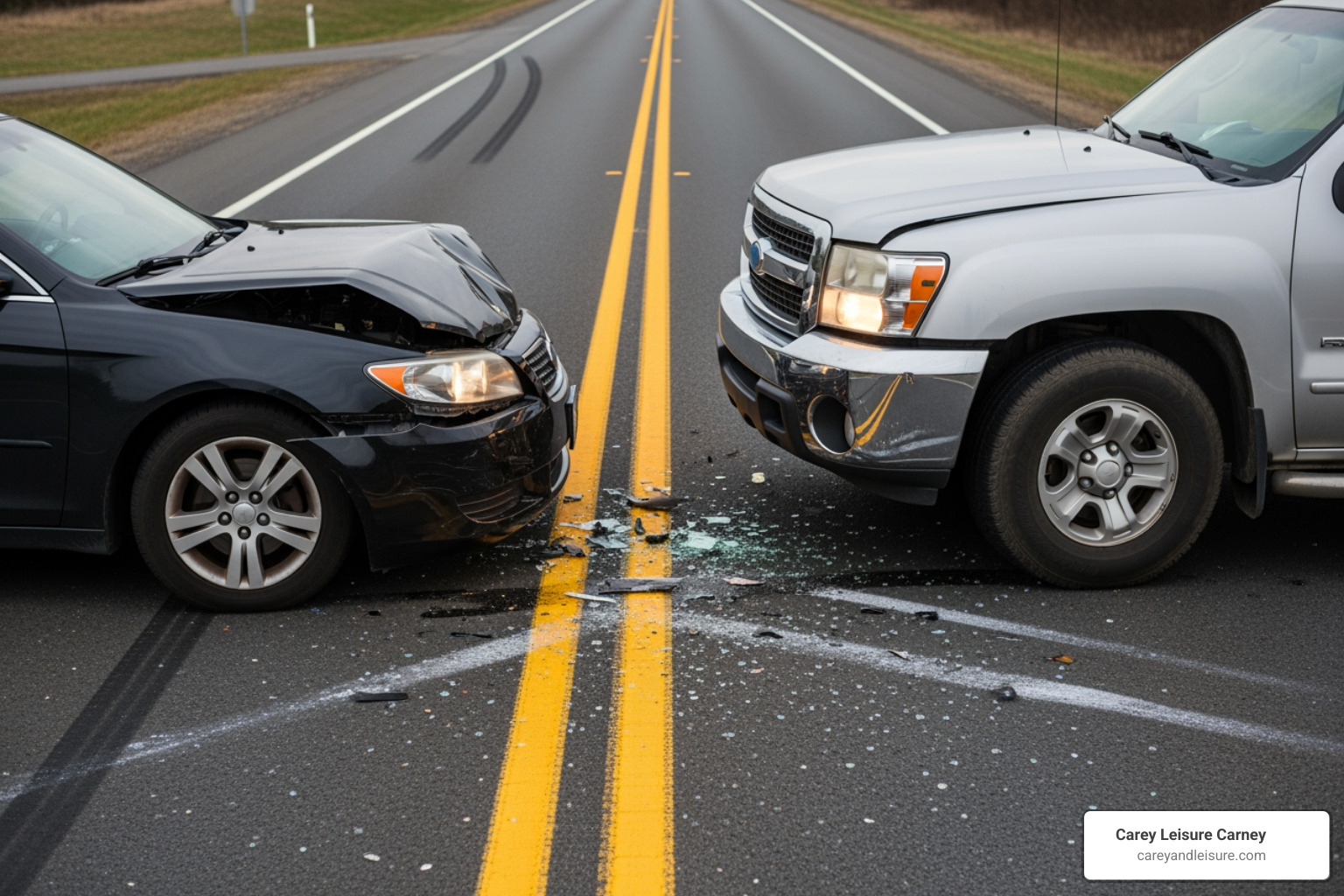
What to do after accident: 5 Essential Steps
The Critical First Moments After a Collision
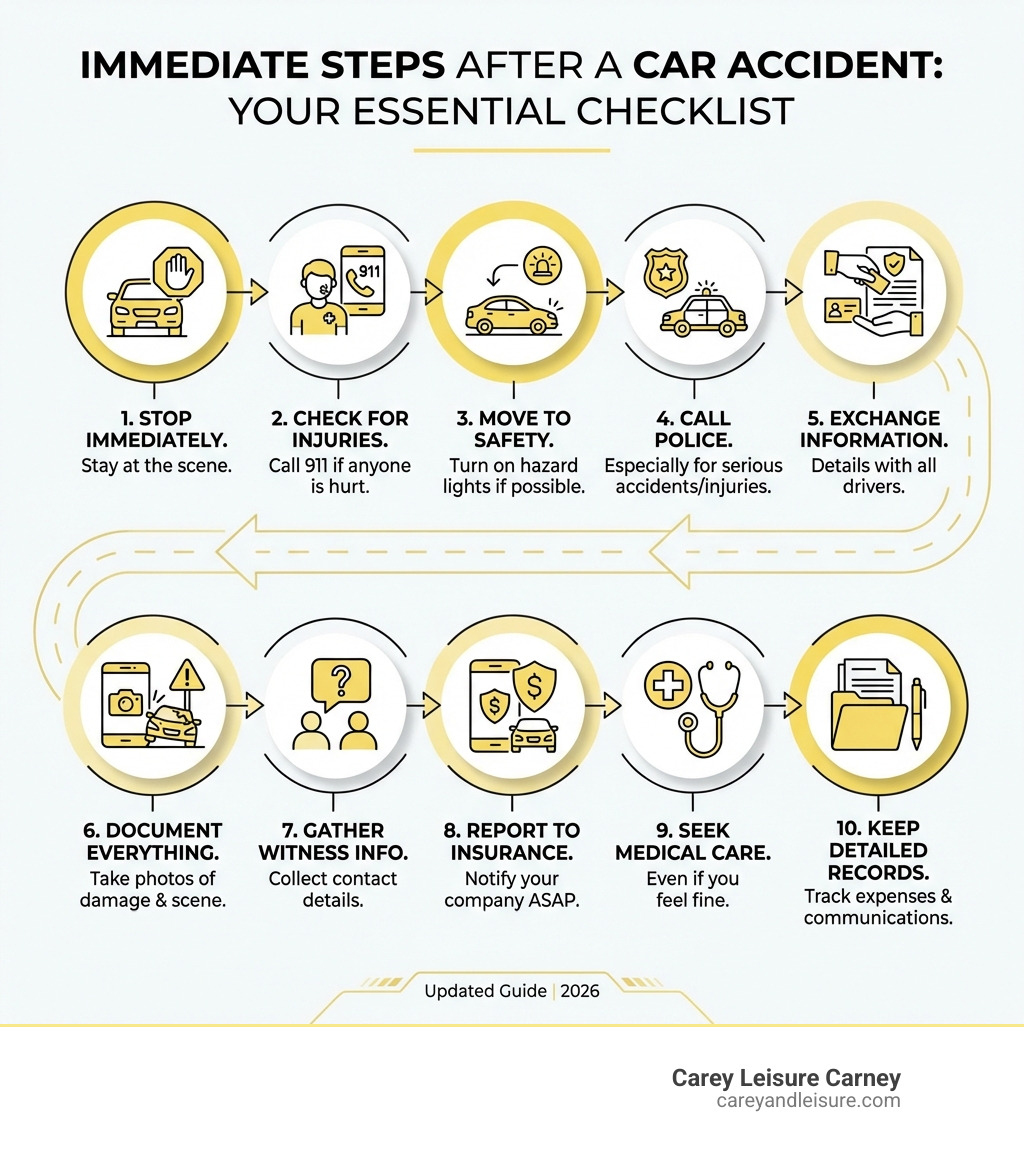
What to do after accident can mean the difference between a smooth recovery and months of unnecessary stress. If you or someone you know has just been in a crash, here are the essential immediate steps:
- Stop immediately and stay at the scene
- Check for injuries – call 911 if anyone is hurt
- Move to safety if possible – turn on hazard lights
- Call the police for serious accidents or injuries
- Exchange information with all drivers (names, insurance, license numbers)
- Document everything – take photos of damage, the scene, and road conditions
- Gather witness contact information if available
- Report to your insurance company as soon as possible
- Seek medical attention even if you feel fine
- Keep detailed records of all expenses and communications
According to the National Highway Transportation Safety Administration (NHTSA), there were more than 6 million police-reported car crashes on American roads in 2023. The average American driver will be involved in three to four traffic incidents in their lifetime. Whether it’s a minor fender-bender or a serious collision, the moments immediately following an accident are overwhelming—and critically important.
Your actions in the first minutes and hours after a crash directly impact your health, your legal rights, and your ability to recover fair compensation. Adrenaline can mask injuries. Missing documentation can weaken your claim. A simple misstep—like admitting fault at the scene or posting about the accident on social media—can jeopardize your case.
This guide walks you through exactly what to do, step by step, from the moment of impact through the insurance process and beyond. We cover Florida-specific requirements, like the 10-day DMV reporting deadline for accidents involving injury or more than $750 in damage, and explain your rights when dealing with insurance adjusters, repair shops, and medical bills.
As Thomas W. Carey, a board-certified civil trial lawyer who has guided over 40,000 injury matters across Florida since 1988, I’ve seen how knowing what to do after accident scenes can protect victims and their families. My firm, Carey Leisure Carney, helps injured Floridians steer the complex aftermath of crashes, securing the compensation they deserve while they focus on healing.
Simple guide to What to do after accident:
Your First 30 Minutes: Immediate Steps at the Scene
The moments immediately following a car accident are often chaotic, but it’s crucial to remain as calm as possible. Your top priority should always be safety and assessing injuries. We understand it’s easier said than done, but taking a deep breath and focusing on these initial steps will set a positive tone for everything that follows.
Stay Safe and Secure the Scene
After an accident, your first instinct might be to react emotionally, but we urge you to prioritize safety. If your vehicle is still operable and it’s safe to do so, carefully pull it over to the side of the road, out of the flow of traffic. This prevents further accidents and keeps everyone involved out of harm’s way.
Once your vehicle is in a safe location, turn off the engine. Engage your hazard lights immediately to warn oncoming traffic, especially if it’s dark or visibility is poor. If you carry road flares or reflective triangles, now is the time to deploy them to create a clear buffer zone around the accident scene. The goal is to prevent a bad situation from getting worse. Always assess your surroundings and stay away from moving traffic.
Call for Help: When to Dial 911
Knowing when to call the police after a car accident is vital. In Florida, you must report a crash if it results in property damage or injuries that amount to more than $500. Beyond this legal requirement, we always advise calling 911 if:
- Anyone involved has sustained injuries, no matter how minor they seem.
- There’s significant property damage to any vehicle or object.
- There’s a fire risk or spilled fluids (like gasoline or oil).
- Traffic is blocked, posing a danger to other motorists.
- The other driver flees the scene.
When you call 911, clearly state your location and briefly describe the situation. Request police and paramedics if there are injuries. A police report serves as an official record of the incident and is invaluable for insurance claims and any potential legal action. Even if you think it’s a minor fender bender, it’s never a mistake to have one.
Initial Injury Assessment
Immediately after a crash, check yourself for injuries. Then, check on your passengers. Ask if they are experiencing any pain or discomfort. If anyone reports injuries or appears to be in distress, call 911 without delay.
Adrenaline is a powerful hormone. It can mask pain and symptoms of injury for hours, or even days, after an accident. You might feel fine at the scene, only for aches, stiffness, or more serious issues like whiplash or concussions to emerge later. This is why we always recommend seeking medical attention promptly, even if you initially feel okay. For more information on AARP’s safe driving strategies, you can visit their website.
Crucially, do not attempt to move seriously injured individuals unless they are in immediate danger (e.g., from fire or oncoming traffic). You could inadvertently worsen their injuries. Wait for trained paramedics to arrive and assess the situation. Report all symptoms, even seemingly minor ones, to the first responders.
Document Everything: Gathering Critical Information and Evidence
Once safety is established and emergency services are en route, the next crucial step is to gather as much information and evidence as possible. This documentation will be the backbone of your insurance claim and any potential legal proceedings. Think of yourself as a detective, carefully collecting clues. For a deeper dive into documenting evidence for your claim, we have more resources available.
Information to Exchange with the Other Driver
Florida law mandates that you exchange certain information with the other driver(s) involved. While it can be an uncomfortable interaction, it’s absolutely essential. Here’s a list of what you should aim to collect:
- Full name and contact information: Get their full legal name, address, and phone number.
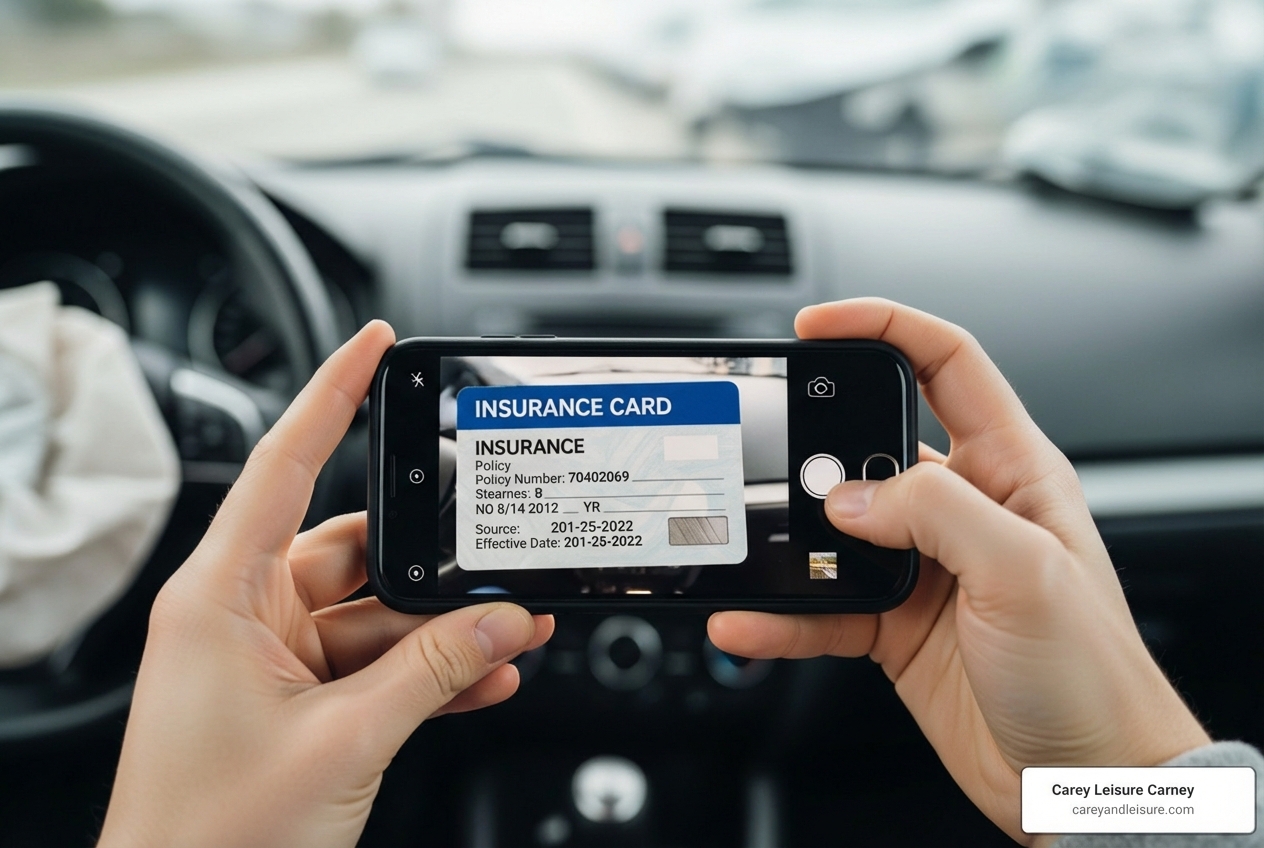
- Insurance company and policy number: Take a picture of their insurance card to ensure accuracy.
- Driver’s license number: Again, a photo can prevent transcription errors.
- License plate number: Note the state as well.
- Vehicle make, model, and color: This helps identify the vehicle precisely.
Crucial advice: While exchanging information, avoid discussing fault or making any statements that could be interpreted as admitting responsibility. Even a simple “I’m so sorry!” could be misconstrued later. Stick to the facts and exchange only the necessary information. Let the insurance companies and law enforcement determine fault after a thorough investigation.
The Power of Pictures and Notes
Your smartphone is your best friend after an accident. Use it to document everything. Take numerous photographs and videos of the accident scene from multiple angles. We recommend capturing:
- All vehicle damage: Get close-ups of the damage to all vehicles involved, and wider shots showing the vehicles’ positions relative to each other and the road.
- The accident scene: Photograph skid marks, debris on the road, traffic signs (including any that might be damaged or obstructed), traffic signals (noting if they were working), and any relevant landmarks.
- Road conditions: Capture photos of the weather conditions (e.g., rain, sun glare), road surface (e.g., wet, icy, potholes), and visibility at the time of the crash.
- Injuries: If you or your passengers have visible injuries, photograph them.
- Time and Date: Your phone’s camera typically records this automatically, but make a mental note.
As soon as you can, and while the details are fresh in your mind, write down your recollection of events. Include the date, time, location, weather, and a brief narrative of what happened leading up to, during, and immediately after the accident. This personal account can be invaluable later on when details might fade.
Don’t Forget Witnesses
Independent witnesses can provide unbiased accounts of the accident, which are incredibly valuable, especially if fault is disputed. If anyone stopped to help or observed the crash, politely ask for their contact information:
- Full name and phone number: This allows your insurance company or attorney to follow up.
- Note what they saw or heard: A brief summary of their observations can be helpful.
Their testimony can corroborate your story and provide crucial support for your claim. Don’t let them leave without trying to get their details!
What to Do After the Accident: Reporting, Repairs, and Medical Care
The immediate aftermath of the accident is just the beginning. The next phase involves reporting the incident to your insurance company, addressing any medical needs, and arranging for vehicle repairs. Navigating these steps effectively is key to a smooth recovery process.

How and When to Report the Accident to Insurance
You should notify your insurance company about the accident as soon as possible. Most policies require prompt reporting, and delaying could potentially jeopardize your coverage. Even if you believe the accident wasn’t your fault, contacting your insurer is a critical step. They will need the full accident details to properly protect you and assist with any property damage or injury claims.
When you call, be prepared to provide factual information about the incident. You might be asked to fill out forms or provide a statement. Your insurer will guide you through the process of filing a claim. You can often report a new claim online or through their mobile app.
You generally have two options for filing a claim: with your own insurer (a “first-party claim”) or with the other driver’s insurer (a “third-party claim”). If the other driver was clearly at fault, their insurance should cover your damages. However, if there’s a dispute, or if their coverage is insufficient, filing with your own policy (if you have the appropriate coverage like collision) might be a faster route to getting your vehicle repaired or medical bills covered. Your insurer can then pursue reimbursement from the at-fault driver’s company.
What to do after an accident if you are injured
Seeking medical attention immediately after an accident is paramount. As we mentioned, adrenaline can mask pain, and some injuries, like whiplash or concussions, might not manifest until hours or even days later. A delay in seeking treatment can not only prolong your suffering but also weaken your injury claim, as the insurance company might argue your injuries weren’t directly caused by the accident.
In Florida, you must seek medical treatment within 14 days of the accident to be eligible for Personal Injury Protection (PIP) benefits, which cover 80% of your medical bills and 60% of lost wages up to $10,000, regardless of who was at fault. Don’t let this crucial deadline pass! For more details on seeking medical attention, we encourage you to read our dedicated guide.
Follow your doctor’s orders diligently, attend all follow-up appointments, and keep meticulous records of all medical treatments, diagnoses, medications, and bills. This documentation is vital for proving the extent of your injuries and their impact on your life. If your injuries cause you to miss work, documenting lost wages is also crucial for your claim.
Getting Your Car Repaired
Once the immediate safety and medical concerns are addressed, your attention will turn to your vehicle. When it comes to getting your car repaired, you have rights. In Florida, you have the right to choose your own repair shop. While your insurance company might recommend certain shops, you are not obligated to use them. We advise getting multiple estimates to ensure a fair price and quality work.
The insurance company will typically send an adjuster to inspect the damage and provide an estimate. If further damage is found during repairs, the shop should contact the insurer for approval. For minor damage, they might ask for competitive repair estimates. Always review and authorize repairs once you are satisfied with the estimate.
A key concept in vehicle repair is the distinction between OEM (Original Equipment Manufacturer) and aftermarket parts. OEM parts are identical to the parts your car was built with. Aftermarket parts are produced by other companies and designed to function like OEM parts but are often cheaper. In Florida, no insurance company can require the use of aftermarket parts unless they are equal to original parts in terms of fit, quality, performance, and warranty. Carefully check repair invoices to ensure the type of auto parts used is identified. For more on your rights at auto body shops, it’s important to be informed.
If the cost of repair exceeds a certain percentage of your vehicle’s value (often 75% in Florida, though this can vary), the insurance company may declare it a “total loss.” In this scenario, they will pay you the Actual Cash Value (ACV) of your vehicle. ACV represents the local market value of your car just before the accident, not what you paid for it or what it would cost to replace it new.
Here’s a quick comparison of OEM vs. Aftermarket parts:
| Feature | OEM Parts | Aftermarket Parts |
|---|---|---|
| Source | Made by the original vehicle manufacturer | Made by third-party companies |
| Quality | Guaranteed to fit and function perfectly | Varies widely; can be equal to or lower quality |
| Cost | Generally more expensive | Generally less expensive |
| Availability | Readily available through dealerships | Widely available through various retailers |
| Warranty | Often backed by manufacturer’s warranty | Varies by manufacturer, may be shorter or less comprehensive |
| Fit & Finish | Exact match to original | May require adjustments; fit can be less precise |
Navigating the Complexities of Insurance and Legal Claims
Dealing with the aftermath of an accident extends beyond immediate care and repairs. The insurance and legal aspects can be intricate, requiring careful attention to protect your rights and ensure you receive fair compensation.
Dealing with Insurance Adjusters and Assessments
The insurance adjuster’s role is to investigate the accident, determine fault, and assess damages. They will contact you to discuss the accident. While you must cooperate with your insurance company as part of your policy agreement, be cautious when dealing with the other driver’s adjuster.
Providing a recorded statement to the other driver’s insurance company is generally not advisable without consulting with an attorney first. These statements can be used against you, and you might inadvertently say something that harms your case. We always recommend speaking with us before giving any recorded statements.
What happens if you disagree with the insurance company’s assessment of damages? This is a common scenario. If it’s your own policy, you might have an “appraisal provision” clause. This allows you and the insurance company to each hire an appraiser, who then select a neutral umpire. The decision agreed upon by any two of these three individuals is binding. If it’s the other driver’s insurance, and you can’t agree, you might file a claim with your own company (if you have the appropriate coverage) and let them handle the subrogation process, or seek legal advice. Negotiation is often key here.
What to do after an accident that’s not your fault
If the other driver was clearly at fault, you’ll typically file a third-party claim with their insurance company. Your insurer might also pursue “subrogation,” which is their right to recover the amount of damages they paid to you from the at-fault party’s insurance. If your insurer pursues subrogation, they are required to include your deductible in their recovery efforts, and you should get it back. For more steps when you’re not at fault, we have a detailed guide.
What happens if the other driver does not have insurance? This is a serious concern in Florida. If the at-fault driver is uninsured or underinsured, your options depend on your own policy. If you have Uninsured Motorist (UM) coverage, it will step in to cover your medical expenses, lost wages, and pain and suffering, up to your policy limits. This coverage is crucial and something we strongly recommend for all our clients in Florida. Without UM coverage, recovering compensation from an uninsured driver can be incredibly difficult, often requiring a direct lawsuit against them, which may yield little if they have no assets.
Understanding Advanced Claims and Legal Scenarios
Let’s look at a few more specific situations you might encounter.
What is gap insurance and when might you need it? Gap insurance covers the difference between your car’s Actual Cash Value (ACV) and the amount you still owe on your car loan or lease, in the event your vehicle is declared a total loss. If your car is relatively new and you owe more than its market value, gap insurance can prevent you from being “upside down” on your loan after an accident.
What are common types of auto insurance fraud to be aware of? Unfortunately, fraud exists. Be wary of:
- Staged accidents: Where fraudsters intentionally cause a collision to file false injury claims.
- “Capping”: Unsolicited referrals from body shops or tow truck drivers to specific lawyers or doctors.
- “Paper accidents”: Fabricated collisions with no actual damage or injury.
- Dishonest repair shops: Inflating repair costs or using substandard parts.
Always be vigilant and report suspicious activity to your insurance company or the authorities.
What should you do if you are served with a lawsuit after an accident? This can be alarming, but it’s crucial to act quickly. Notify your agent and insurance company immediately. This is a condition of your policy, and failure to do so could jeopardize your coverage. Keep a copy of the lawsuit documents for your records, and send the originals to your insurance company. Do not give statements or discuss the accident with anyone except a verified representative of your insurance company or your attorney. Your insurance company will provide legal defense if the loss is covered under your policy.
Critical Mistakes to Avoid After a Car Crash
In the stressful moments following an accident, it’s easy to make mistakes that can negatively impact your health, your claim, and your legal rights. We want to ensure you’re aware of these pitfalls so you can avoid them. For a comprehensive list of what to do and what not to do, please refer to our detailed guide.
Here are the key things to avoid doing after a car accident:
- Admitting fault: As we’ve stressed, never admit fault, apologize, or take responsibility for the accident at the scene. Even if you think you were at fault, facts may emerge later that show otherwise, and an admission can be used against you.
- Minimizing injuries: Don’t tell anyone you’re “fine” or “not hurt” if you have any doubt. Adrenaline can mask pain, and injuries often manifest later. Always seek medical attention and report all symptoms.
- Posting on social media: This is a big one! Avoid posting details about the accident, photos of the scene, or even general updates about your activities on social media. Insurance companies and opposing counsel often monitor social media, and your posts could be misinterpreted or used to undermine your injury claim.
- Accepting the first settlement offer: Initial offers from insurance companies are often low. They are in business to pay as little as possible. Consult with an attorney before accepting any settlement to ensure it adequately covers all your damages, including medical bills, lost wages, and pain and suffering.
- Signing documents without review: Never sign any documents from the other driver’s insurance company or any settlement agreements without having them reviewed by your attorney. You could inadvertently waive your rights or accept a settlement that doesn’t fully compensate you.
- Waiting too long to act: Delays in seeking medical attention, reporting the accident, or contacting legal counsel can weaken your case. Prompt action is always best.
- Fleeing the scene: Leaving the scene of an accident in Florida, especially if there are injuries or significant property damage, can lead to serious criminal charges, including fines, jail time, and a permanent criminal record.
Conclusion
Navigating the aftermath of a car accident can feel like an uphill battle, filled with medical concerns, insurance paperwork, and legal complexities. However, by being prepared and following this essential checklist for what to do after accident, you can protect your health, your rights, and your ability to secure fair compensation.
The critical first moments matter, as does the diligent documentation and timely action that follows. Don’t underestimate the impact of subtle injuries or the complexities of insurance claims.
At Carey Leisure Carney, we understand that an accident can turn your life upside down. That’s why we’re here to help. With our Board-Certified attorneys—a distinction held by only 2% of Florida lawyers—and over 100 years of combined experience, we offer direct attorney access and personalized service to guide you through every step. We handle the legal burden so you can focus on what truly matters: your recovery.
If you’ve been involved in a car accident in Clearwater, Largo, New Port Richey, Spring Hill, St Petersburg, Trinity, or Wesley Chapel, Florida, don’t hesitate. Contact our Clearwater personal injury law firm for a free consultation today. We’re ready to put our expertise to work for you.