
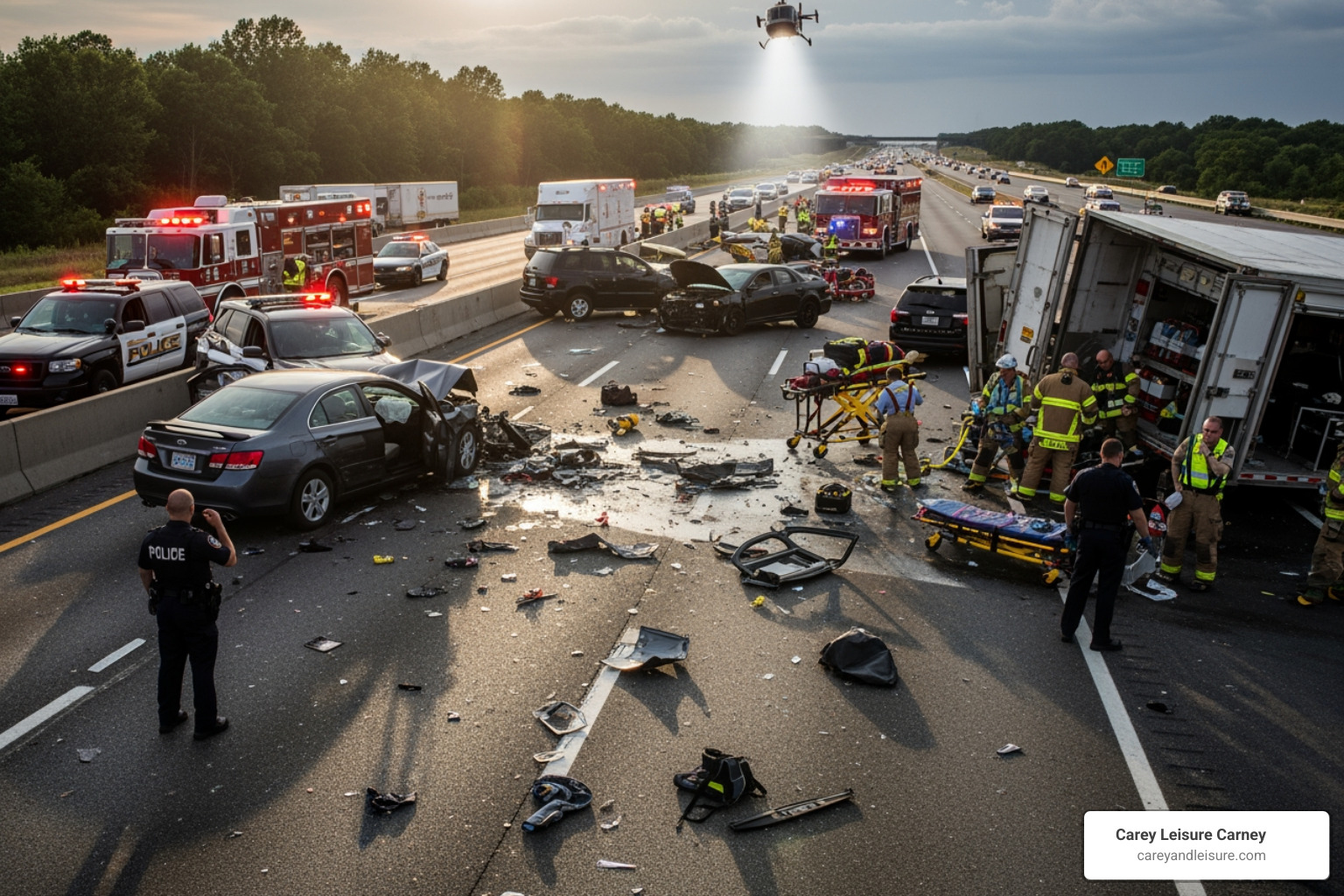
Deadly traffic accidents: 40,901 Tragic Deaths
Understanding the Scope of Fatal Traffic Accidents in America
Deadly traffic accidents remain one of the most pressing public safety crises in the United States. If you’re seeking to understand the scale and impact of these tragedies, here are the essential statistics:
Key Fatal Traffic Accident Statistics (2023):
- Total Deaths: 40,901 people killed in motor vehicle crashes
- Fatality Rate: 12.2 deaths per 100,000 people
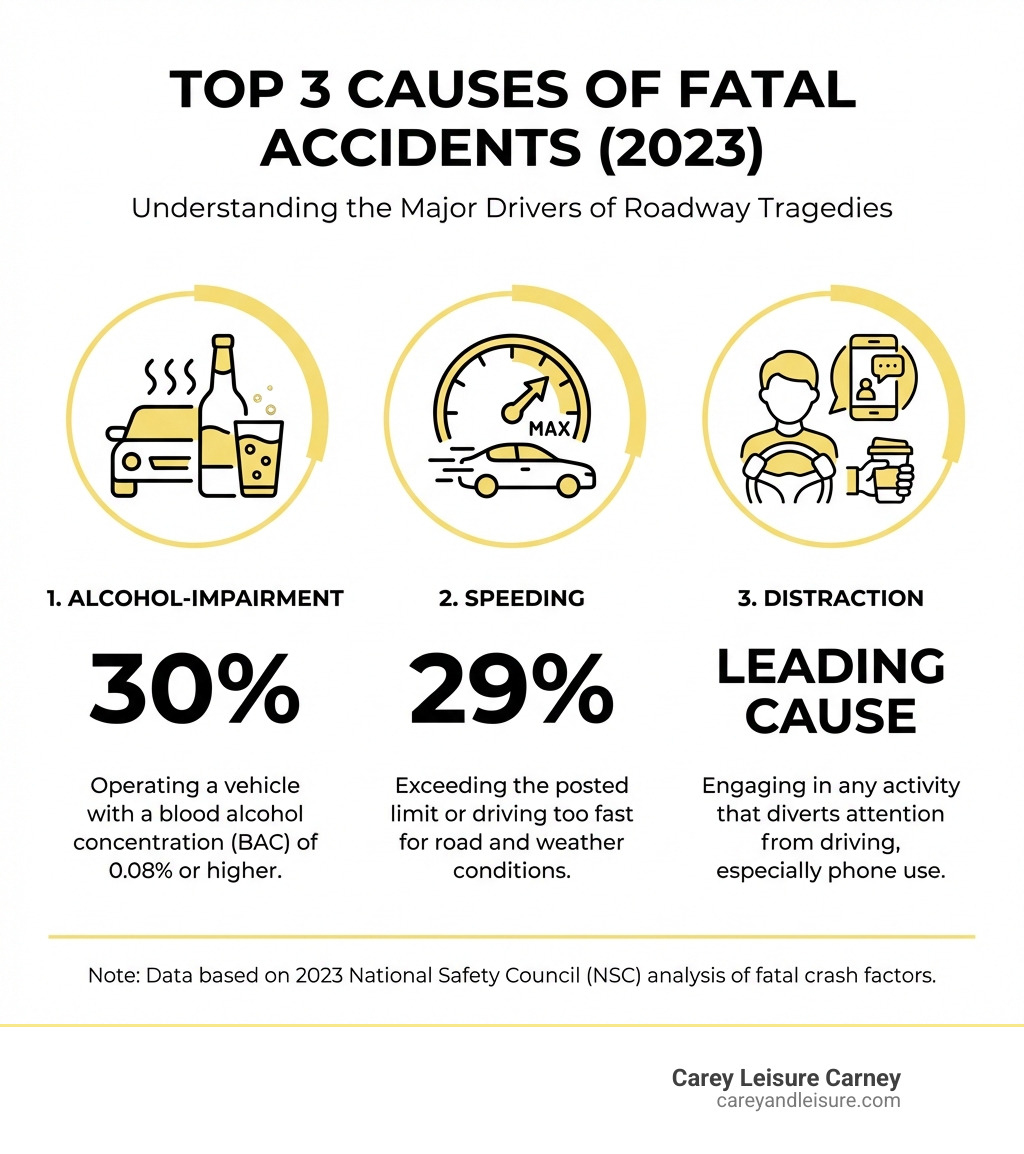
- Leading Causes: Speeding (29%), alcohol impairment (30%), and distracted driving
- Vulnerable Groups: Pedestrians (7,314 deaths), motorcyclists (6,335 deaths)
- Geographic Factor: 41% of deaths occurred in rural areas
- Unrestrained Occupants: 55% of fatally injured vehicle occupants were not wearing seatbelts
While recent data shows a modest decline—2024 projections estimate 39,345 deaths, down 3.8% from 2023—these numbers still represent thousands of families devastated by preventable tragedies each year.
Every statistic represents a real person: a parent who won’t come home, a child who lost their future, a spouse left to steer life alone. Behind the data are families facing overwhelming grief, mounting medical bills, and complex legal questions about what next. The frequency is staggering—one person dies every 13 minutes in a traffic crash, and five more are injured.
Understanding these patterns matters because it reveals where the greatest dangers lie and who faces the highest risks. Whether you’re trying to process a recent loss, seeking answers about what happened, or looking for ways to hold negligent parties accountable, knowing the landscape of fatal traffic accidents is the first step toward finding justice and preventing future tragedies.
As Thomas W. Carey, founding partner of Carey Leisure Carney and former Florida State Chairman of Mothers Against Drunk Driving, I have dedicated my career to representing families devastated by deadly traffic accidents—a commitment born from personal tragedy when my wife was killed by a drunk driver. Over nearly four decades, I’ve guided families through the aftermath of fatal crashes, helping them understand their rights and secure the compensation needed to move forward.
Deadly traffic accidents helpful reading:
The Anatomy of Deadly Traffic Accidents: Key Causes and Factors
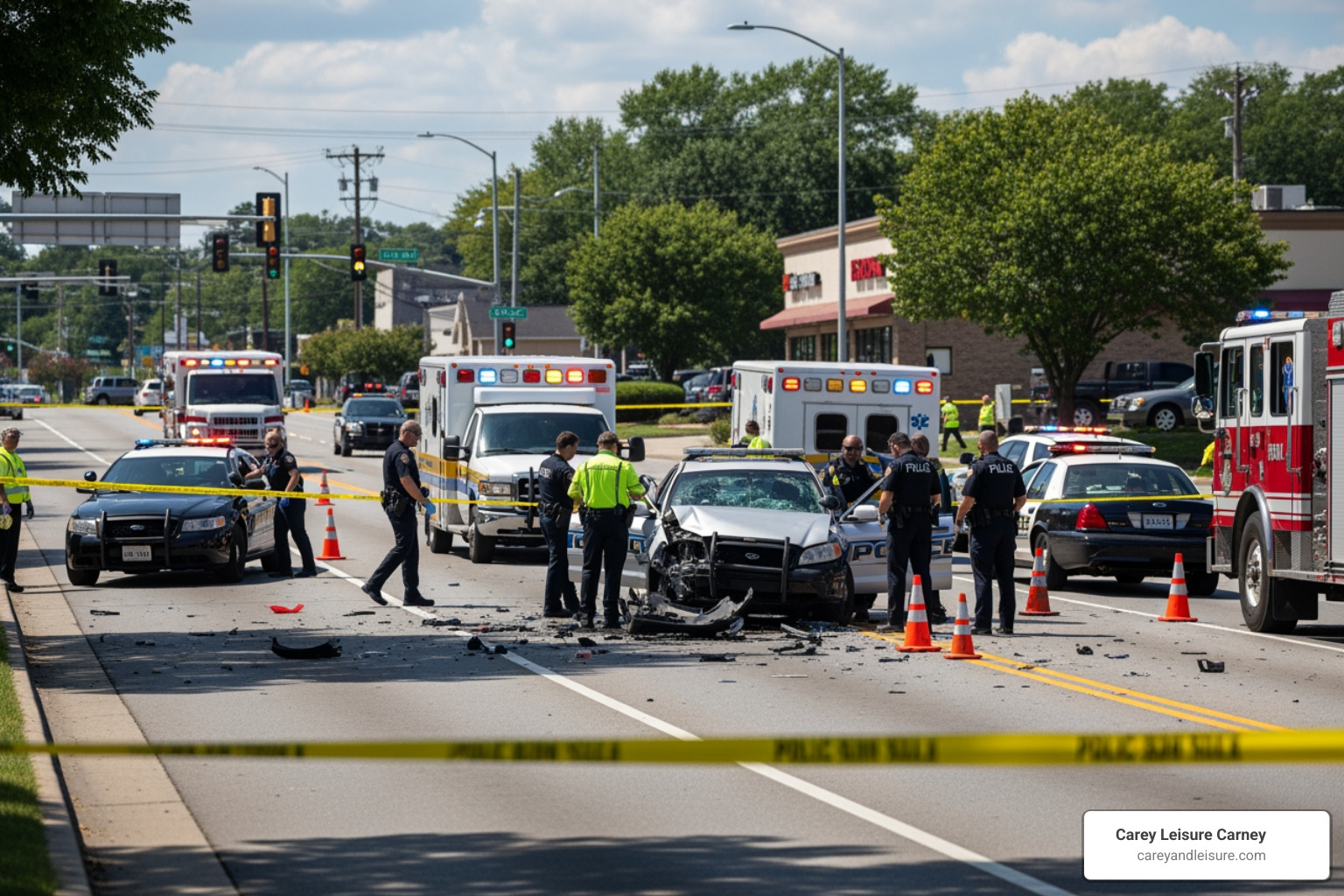
When we examine deadly traffic accidents, we find a complex interplay of factors, often beginning with driver behavior but also influenced by environmental conditions, vehicle characteristics, and the specific dynamics of the crash itself. In 2023, the United States saw 40,901 lives lost on our roads, a stark reminder of the need to understand these underlying causes.
Nationally, a significant portion of these fatal crashes, about 52%, involved a single vehicle. This can range from a driver losing control and hitting a tree to a rollover incident. The remaining fatalities occur in multi-vehicle collisions, where the actions of multiple drivers, or even non-drivers, contribute to the tragic outcome. Understanding these distinctions helps us pinpoint where prevention efforts can be most effective.
Risky Behaviors Behind the Wheel
At the heart of many deadly traffic accidents are preventable human errors and risky choices. Our roads would be far safer if every driver committed to responsible behavior.
Speeding-Related Crashes: Speed is a killer. In 2023, speeding-related crashes accounted for a staggering 11,775 fatalities, representing 29% of all traffic deaths. The faster a vehicle travels, the less time a driver has to react, and the greater the force of impact in a collision. Even a few miles over the limit can mean the difference between a close call and a fatal accident. Florida, like many states, has implemented strict measures to combat this, including Florida’s New Super Speeder Law: What Drivers Need to Know.
Alcohol-Impaired Driving: The statistics for alcohol impairment are equally grim. In 2023, 12,429 people were killed in alcohol-impaired-driving crashes, making up 30% of total traffic fatalities. This means nearly one-third of all road deaths could have been prevented if someone had chosen not to drink and drive. In Florida, our data shows that an estimated 27% of fatally injured drivers had a blood alcohol content (BAC) of 0.08% or higher. The impact of impaired driving is devastating, and if you or a loved one have been affected, our Drunk Driving Accident Claims Guide 2025 can offer vital information.
Distracted Driving: While harder to quantify comprehensively, distracted driving is a growing menace on our roads. Whether it’s texting, talking on the phone, eating, or engaging with in-car technology, anything that takes a driver’s eyes, hands, or mind off the road can have catastrophic consequences. Changes in driver attitudes and behaviors over time, influenced by public awareness campaigns and technological advancements, are crucial for reducing this risk. We constantly strive to improve awareness about the dangers of driver attitudes and behaviors.
Seatbelt Non-Use: A simple click can save a life. Yet, in 2023, 45% of fatally injured passenger vehicle occupants were restrained, meaning a shocking 55% were not wearing seatbelts. This statistic is particularly heartbreaking because seatbelts are proven to dramatically reduce the risk of death and serious injury. For those wondering about the legal implications, we have resources like What if I Did Not Wear My Seatbelt.
Environmental and Situational Influences
Beyond driver behavior, the environment and circumstances surrounding a crash can significantly impact its severity and outcome.
Rural vs. Urban Roads: Nationally, 41% of motor vehicle crash deaths in 2023 occurred in rural areas. However, in Florida, the picture is different. Our state data shows that 75% of motor vehicle crash deaths occurred in urban areas, while 21% occurred in rural areas. This highlights that while rural roads can be dangerous due to higher speeds and less immediate access to emergency services, the sheer volume of traffic and complex intersections in Florida’s urban centers like Clearwater, Largo, and Wesley Chapel contribute to a higher number of fatalities.
Time of Day: Fatal crashes don’t happen uniformly throughout the day. In the Tampa Bay area, nearly 70% of roadway accidents occur during daylight hours, with afternoon rush hour being the most active period. However, nationally, a significant portion of traffic fatalities occur during nighttime hours, particularly between 3 p.m. and 3 a.m. Reduced visibility, driver fatigue, and increased instances of impaired driving contribute to the heightened risk after dark.
Weather and Road Conditions: Surprisingly, many deadly traffic accidents in Florida occur under seemingly ideal conditions. Approximately 75% of Florida traffic accidents happen on sunny days without rain, wind, or sleet, and over 80% occur on dry roads. This doesn’t mean adverse weather isn’t dangerous, but it underscores that driver behavior, not just environmental factors, is paramount. Nonetheless, poor road conditions, whether due to maintenance issues or debris, can always play a role. Being prepared for any scenario is part of Road Trip Safety Tips: Prevent Car Accidents.
Who is Most at Risk? A Demographic Breakdown
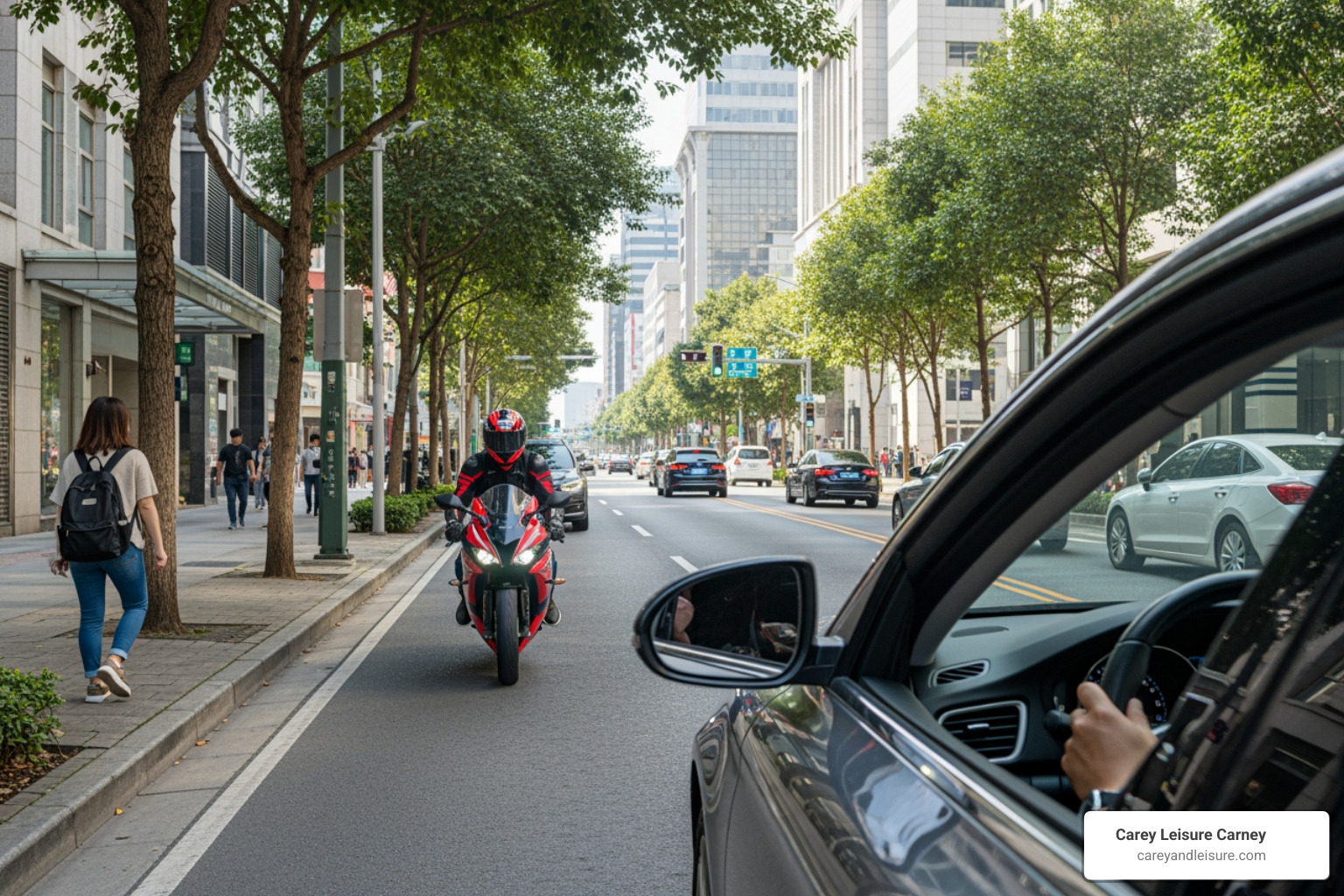
Understanding who is most vulnerable in deadly traffic accidents helps us tailor safety messages and infrastructure improvements. The data reveals that certain road users and age groups face disproportionately higher risks.
Vulnerable Road Users
While vehicle occupants make up a large portion of fatalities, those outside the protective shell of a car are often the most exposed.
Pedestrians: Tragically, 7,314 pedestrians were killed in traffic crashes in 2023, making up 18% of all traffic fatalities. While this was a slight decrease from 2022, it’s still an alarmingly high number. In Florida, pedestrians account for 23% of crash deaths, a higher percentage than the national average. This is especially relevant in our busy communities like St. Petersburg and New Port Richey, where foot traffic is common. We are committed to protecting the rights of pedestrians and encourage everyone to be aware of Florida Pedestrian Laws Complete Guide.
Motorcyclists: Motorcyclists continue to be among the most vulnerable. In 2023, 6,335 motorcyclists were killed, accounting for 15% of all traffic fatalities. In Florida, motorcyclists represent an even higher 20% of crash deaths. The lack of physical protection means that even minor collisions can turn fatal for riders. For those impacted by such tragedies, our Motorcycle Accident Attorney: Your Road to Recovery Starts Here can provide assistance.
Bicyclists: Bicyclists also face significant risks. Nationally, pedalcyclist fatalities increased by 4.4% in 2023. In Florida, bicyclists account for 7% of all crash deaths. With more people embracing cycling for commuting and recreation in areas like Clearwater and Wesley Chapel, ensuring their safety is paramount.
Vehicle Occupants and High-Risk Age Groups
Even within vehicles, some groups are more susceptible to fatal outcomes, particularly specific age demographics.
Passenger Vehicle Occupants: In 2023, 23,959 passenger vehicle occupants died in motor vehicle traffic crashes. In Florida, passenger car occupants made up 26% of crash deaths, and pickup/SUV occupants accounted for 21%. While these numbers are significant, vehicle safety technologies have made cars safer. However, the importance of seatbelt use cannot be overstated, as 55% of fatally injured passenger vehicle occupants were unrestrained.
Young Drivers (15-20): This age group consistently exhibits higher crash rates. Young drivers accounted for 8.9% of all drivers involved in fatal traffic crashes in 2023, despite making up only 5.1% of licensed drivers. This disparity underscores the need for continued driver education and parental guidance. Fatalities among people aged 15 to 20 years old increased by 5.3% in 2023. We offer 4 Tips to Help Your Teen Driver Avoid Car Crashes to help mitigate these risks.
Older Drivers (65+): As our population ages, the safety of older drivers becomes an increasingly important concern. In 2023, 7,891 people aged 65 and older were killed, representing 19% of total traffic fatalities. While experience can be an advantage, age-related physical and cognitive changes can affect driving abilities. Resources like Safe Driving Part Two: Older Drivers & Car Accidents provide valuable insights.
Geographic Disparities and National Efforts
The landscape of deadly traffic accidents is not uniform across the country, nor within our own state of Florida. Understanding these geographic differences and the strategies employed to combat them is essential for targeted interventions.
State-by-State Fatality Rates
While national averages provide a broad picture, the reality on the ground can vary dramatically. For instance, in 2023, the fatality rate per 100,000 people ranged from a low of 4.9 in Massachusetts to a high of 24.9 in Mississippi. This wide disparity highlights that many factors contribute to a state’s safety record, including types of vehicles driven, travel speeds, rates of licensure, state traffic laws, emergency care capabilities, weather, and topography.
In Florida, we face our own set of challenges. In 2023, there were 3,396 deaths from motor vehicle crashes. This translates to a fatality rate of 15.0 per 100,000 people and 1.42 deaths per 100 million miles traveled. These figures underscore the constant vigilance required in our rapidly growing communities, from Clearwater to Spring Hill. For a closer look at local data, you might find our Clearwater Auto Accident Statistics informative.
Detailed national and state-level data is carefully collected and analyzed by organizations like the National Highway Traffic Safety Administration (NHTSA) through their NHTSA’s Fatality Analysis Reporting System, which provides invaluable insights into crash trends and contributing factors.
National Strategies for Safer Roads
Recognizing the severity of deadly traffic accidents, organizations like NHTSA and the U.S. Department of Transportation (USDOT) are at the forefront of developing and implementing national strategies to reduce fatalities. One prominent approach is the “Safe System Approach,” which aims to create a more forgiving road system that accounts for human error by focusing on safer roads, safer road users, safer vehicles, safer speeds, and post-crash care.
Enforcement efforts are a cornerstone of these strategies, with a strong emphasis on cracking down on key risky behaviors. The USDOT actively partners with law enforcement to improve traffic enforcement focusing on:
- Speeding: Implementing laws like Florida’s Super Speeder Law.
- Impairment: Combating both alcohol and drug-impaired driving.
- Distraction: Addressing the dangers of distracted driving.
- Lack of Seatbelt Use: Promoting consistent seatbelt usage.
Beyond enforcement, advancements in vehicle safety technology play a critical role. Features like automatic emergency braking, lane keeping assist, and advanced airbag systems are continually evolving, making vehicles inherently safer and helping to mitigate the severity of crashes when they do occur. These technological leaps, combined with sustained public awareness campaigns and rigorous enforcement, are all part of the collective effort to move towards zero traffic fatalities.
The Aftermath: Understanding the True Cost of Fatal Crashes
Beyond the immediate tragedy, deadly traffic accidents leave a lasting impact that ripples through families, communities, and the economy. The costs are far-reaching, encompassing not only financial burdens but also profound emotional and societal tolls.
The Economic and Societal Burden of deadly traffic accidents
The financial toll of traffic crashes is staggering. In 2019, the estimated economic cost of all traffic crashes in the United States was an astounding $340 billion. When we expand this to include the value of societal harm—which accounts for the lost quality of life—this figure skyrockets to an estimated $1.4 trillion. These numbers are difficult to fully grasp, but they encompass:
- Direct Economic Costs: Medical expenses for injuries, property damage, lost wages due to inability to work, emergency service costs, and legal and administrative fees.
- Lost Productivity: The long-term economic impact of individuals no longer contributing to the workforce or society due to death or debilitating injuries.
- Lost Quality of Life: This is perhaps the most profound and immeasurable cost. It includes the pain and suffering of victims, the grief of families, and the loss of companionship, care, and enjoyment of life. Each fatality, on average, carries an economic cost of $1.6 million and a comprehensive cost of $11.3 million when quality of life valuations are included.
These figures underscore that deadly traffic accidents are not just personal tragedies; they are a massive public health and economic crisis. For families in Florida dealing with the financial fallout, understanding Compensation for Pain and Suffering in Florida: What You Need to Know can be a crucial step toward recovery.
Navigating the Legal Aftermath of deadly traffic accidents
When a loved one is lost in a fatal accident, families are plunged into a world of grief and uncertainty. In addition to emotional devastation, they often face complex legal and financial challenges. This is where legal recourse, particularly through wrongful death claims, becomes essential.
- Wrongful Death Claims: These claims seek to hold negligent parties accountable for their actions that led to a fatality. This can involve drivers, vehicle manufacturers, or even entities responsible for road design or maintenance. Understanding your rights in a Fatal Accident Claims case is paramount.
- Insurance Company Tactics: Dealing with insurance companies after a fatal accident can be overwhelming. They often aim to settle claims quickly and for the lowest possible amount. Having experienced legal representation ensures that your family’s rights are protected and that you receive fair compensation.
- Proving Negligence: A successful wrongful death claim often hinges on proving negligence—that another party’s carelessness, recklessness, or intentional actions directly caused the accident. This requires thorough investigation, gathering evidence, and expert testimony. In cases like a Hit and Run Death, this can be particularly challenging, requiring dedicated legal work.
- Seeking Compensation: Compensation in wrongful death cases can cover a range of damages, including medical and funeral expenses, lost income and future earning capacity, loss of companionship and support, and pain and suffering experienced by the surviving family members.
At Carey Leisure Carney, we understand that no amount of money can replace a loved one. However, securing fair compensation can provide financial stability, cover immense losses, and offer a sense of justice for the unimaginable loss suffered due to someone else’s negligence.
Frequently Asked Questions about Fatal Traffic Accidents
We often hear similar questions from individuals and families trying to understand the complexities surrounding deadly traffic accidents. Here are some common inquiries and our answers.
What is the most common cause of fatal car accidents?
There isn’t one single “most common” cause, as deadly traffic accidents are often the result of a combination of factors. However, leading factors consistently identified in national statistics include:
- Speeding: Accounting for 29% of fatalities in 2023.
- Alcohol Impairment: Involved in 30% of fatalities in 2023.
- Distraction: While harder to quantify precisely, distracted driving is a significant and growing contributor to crashes.
Other contributing factors include fatigue, aggressive driving, failure to yield, and environmental conditions, but speeding and alcohol impairment remain the most frequently cited behavioral causes of fatal outcomes.
Are US traffic fatalities increasing or decreasing?
After a concerning rise during the pandemic years, US traffic fatalities have shown a modest but welcome downward trend. In 2023, there were 40,901 fatalities, which was a 4.3% decrease compared to 2022. Early estimates for 2024 project a continued decline, with 39,345 fatalities, representing a 3.8% decrease from 2023.
While this downward trend is encouraging, it’s crucial to remember that these numbers are still higher than pre-2020 levels. The mileage death rate, for instance, remains above the pre-COVID average. So, while we are moving in the right direction, there is still significant work to be done to make our roads safer.
What should I do if a loved one was killed in a car accident?
Losing a loved one in a car accident is an incredibly difficult experience, and we are here to help. If your family is facing this unimaginable tragedy, here are crucial steps to consider:
- Seek Support: Prioritize emotional support for yourself and your family. Grieving is a process, and professional help can be invaluable.
- Preserve Evidence: If possible, ensure that accident reports, photographs, witness statements, and any other relevant documentation are collected and preserved. This can be vital for any future legal action.
- Avoid Immediate Insurance Settlements: Insurance companies may contact you quickly with settlement offers. It’s important not to sign anything or agree to a settlement without fully understanding your rights and the full extent of your losses. Their offers are often significantly less than what you may be entitled to.
- Consult an Attorney: Contact an experienced personal injury attorney as soon as possible. An attorney specializing in wrongful death cases can guide you through the complex legal process, protect your rights, and help you understand your legal options. Our Best Wrongful Death Attorney Guide offers comprehensive information on this topic.
- Understand Your Legal Rights: You may have the right to seek compensation for medical and funeral expenses, lost income, pain and suffering, and loss of companionship. An attorney can help you steer these claims and fight for the justice your loved one deserves.
Conclusion: Moving Forward After a Tragic Loss
The statistics surrounding deadly traffic accidents paint a sobering picture of the challenges we face on our roads. From the alarming number of fatalities each year—40,901 in 2023—to the persistent influence of speeding, impaired driving, and unrestrained occupants, the data reminds us that these are largely preventable tragedies. While national efforts and technological advancements offer hope for safer roads, the devastating impact on families remains profound and deeply personal.
Every statistic represents a life cut short and a family forever altered. The economic and societal costs are immense, but the emotional toll is immeasurable. At Carey Leisure Carney, we believe that understanding these dynamics is the first step toward prevention and, for those affected, toward seeking justice.
We encourage everyone to be a part of the solution by practicing safe driving habits, advocating for stronger safety measures, and supporting initiatives that promote responsible road use. However, when the worst happens, and your family is facing the unimaginable loss from a fatal accident, understanding your legal options is a critical step. Our Board-Certified attorneys, with over 100 years of combined experience, are here to provide direct access and personalized service during these difficult times. Find guidance and support from an experienced wrongful death attorney.