Board‑Certified Personal Injury Attorneys in Clearwater, FL
Get Your Free Consultation Today!



About us
Your Personal Injury Attorneys in Clearwater FL
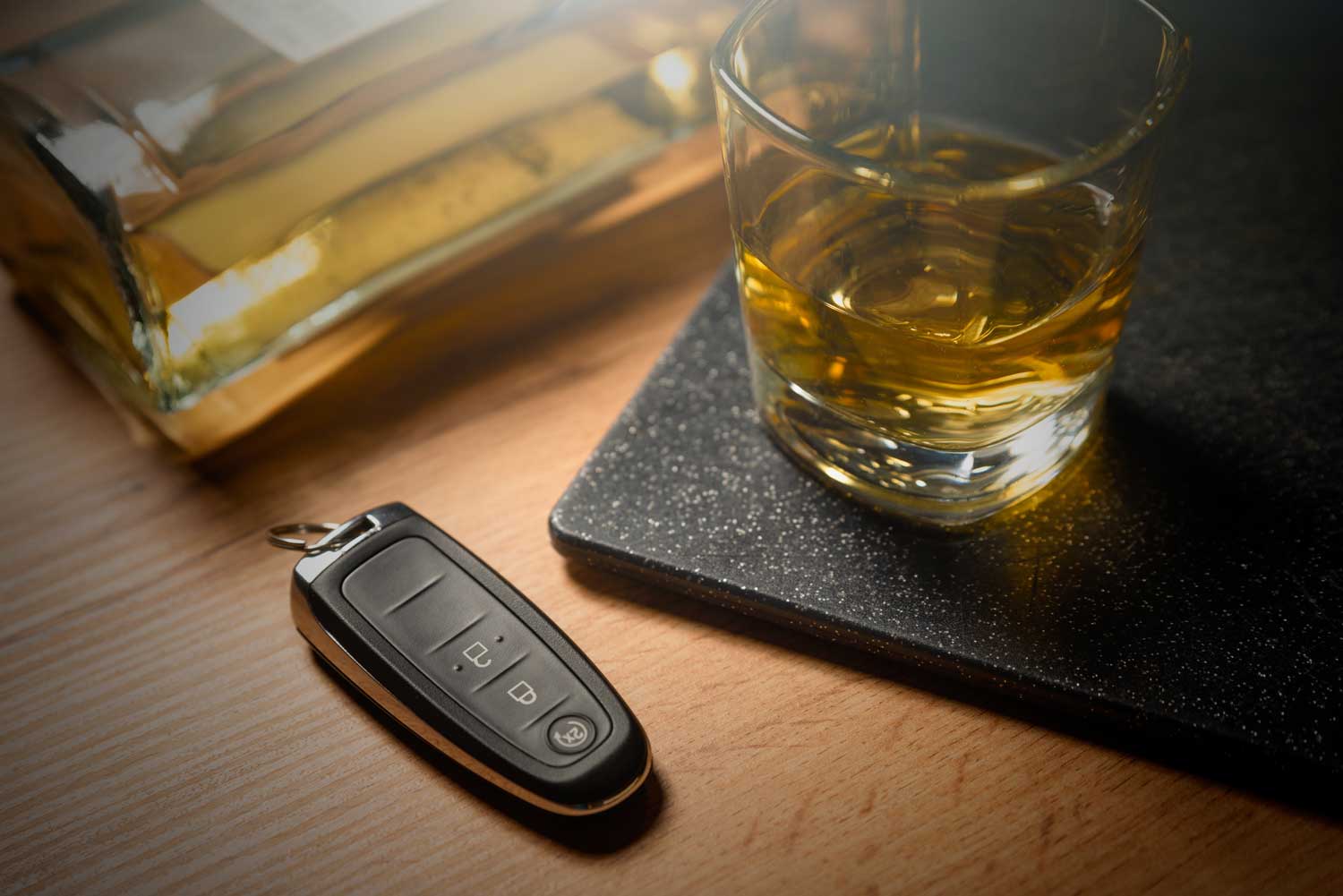
Have you been injured in an auto accident, trucking accident, motorcycle accident, or due to a drunk driver? Are you seeking guidance on what to do next? Or perhaps you have a loved one who suffered a wrongful death or has been affected by funeral home malpractice? The team at Carey Leisure Carney is here to help. We have represented thousands of individuals in auto accident, motorcycle accident, and personal injury claims. With over 100 years of combined legal experience, our attorneys are committed to fighting for justice, and it would be an honor to represent you.
At Carey Leisure Carney, we are dedicated to securing the maximum compensation possible in your personal injury case. We proudly serve clients in Clearwater, FL, and the surrounding areas, including Pinellas County, Pasco County, Hernando County, and Citrus County. Whether you’ve been injured or are filing a claim on behalf of a deceased loved one, we take the time to understand your story—because truly understanding how someone else’s negligence has impacted your life is where the pursuit of justice begins.
Our attorneys are committed to communicating directly with you every step of the way and standing by you as we fight for justice. Contact us today for expert guidance and compassionate representation.
Voted as Top Clearwater Personal Injury Law Firm
Decades of Experience
Our team of expert attorneys brings over a century of combined experience in handling complexities related to auto accidents, truck accidents, and drunk driving cases.
Always Available
Our attorneys are accessible. When you call us, you get to speak with an attorney instead of having to use office staff as messengers. When you become a client, our attorneys will provide you with their cell phone number, for easier accessibility
Board Certified Attorneys
All Partners are Board Certified in Civil Trial Law, a distinction that only 2% of Florida attorneys possess. Board certification requires extensive experience, peer reviews, and testing. Our team has proven its knowledge and skill by obtaining Board Certification state-wide, as well as nationally
A+ Customer Service
If you can’t come to us, we’ll come to you. Our attorneys will go wherever you need us.
Free Case Review
NO RECOVERY, NO FEE
How to Select the Right Personal Injury Attorney
After an accident or injury, we know that the decision of which personal injury attorney to hire is a big one. You will be trusting this professional to help you get maximum compensation for your injuries so that you can get your life back to as normal as possible. When looking for a personal injury attorney, consider the following factors:
General experience
Before hiring an attorney, do your research on them. Find out how long they have been in practice, and what they specialize in. If an attorney tries to handle too many areas of law, they never become specialized in any field. Our firm was founded in 1984, and since the beginning, our attorneys have specialized in the area of Tort law and have handled thousands of personal injury claims. They are experienced in negotiating with insurance companies to get you a fair settlement and are not afraid to take your claim to trial. With over 100+ years of combined experience between our attorneys, you will be in good hands.
Communication skills
Communication is a huge part of bringing a personal injury claim, so it is important to make sure that you are able to communicate effectively with your attorney. Make sure they listen to you and respect your wishes about how to approach your case. Be open to their advice or suggestions about alternative approaches, as they are experts in their field. Our team takes pride in making sure our clients are informed throughout every step of their case. Before any decisions are made, your attorney will reach out to you and discuss your options, making sure you understand how each will affect your case.
Your settlement goals
It is important to have a conversation with your attorney about your settlement goals as early as possible to set the tone and expectations of your case. Considering the facts of your case and any prior negotiations with the insurance company, your attorney should be able to provide you with a range of possible compensation. They should then discuss the next steps to help you achieve your settlement goals. Whether you are willing to wait through the process of going to trial or you want to work toward a settlement as quickly as possible, our attorneys want to be sure we are meeting your goals.
What Sets Carey Leisure Carney Apart?
At Carey Leisure Carney, we know that being injured in an auto accident, slip and fall, premises liability incident, or other injury is a stressful time. You may need to be out of work while you recover, and your normal level of activity may be severely impacted by your injuries. The last thing you need to worry about is feeling like a number on an assembly line at a big box law firm. Our firm strikes an ideal balance of being large enough to have the resources to take your claim to trial, while being small enough to provide personal attention and quality customer service. Our attorneys know how stressful it is to be in an auto accident or be dealing with a life changing injury, because we have been there. Trust our team to handle your case with the dignity and care it deserves. You are not just a number to us.
Our Wins
Verdicts & Settlements
$11,500,000
Assault Verdict
$5,000,000
Car Accident Verdict
$1,800,000
Negligent Security Settlement
$1,250,000
Car Accident Settlement
$1,100,000
Auto Accident Settlement
$1,000,000
Pedestrian Accident Settlement
$850,000
Bicycle Accident Settlement
$625,000
Neck & Back Injury Settlement
$500,000
Car Accident Settlement
$750,000
Auto Accident Settlement
$400,000
Car Accident Settlement
$300,000
Auto Accident Settlement
$343,00
Car Accident Verdict
$279,574.82
Auto Accident Settlement
$325,000
Slip and Fall Settlement
$250,000
Car Accident Settlement
$480,000
Auto Accident Settlement
$450,000
Car Accident Settlement
$200,000
Golf Cart Accident Settlement
$80,000
Food Poisoning Settlement
Our Experience
Clearwater Personal Injury Practices
Auto & Car Accidents
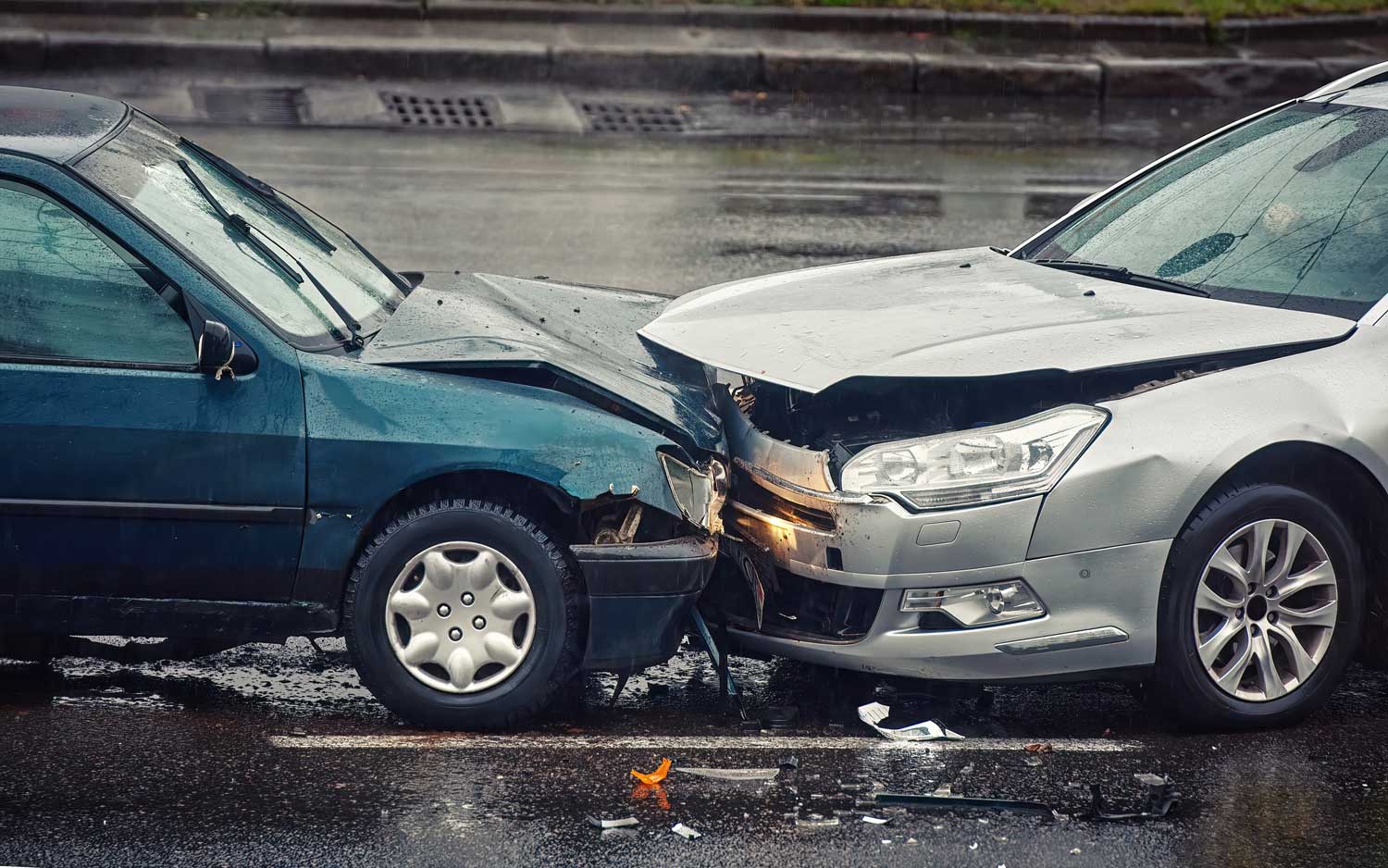
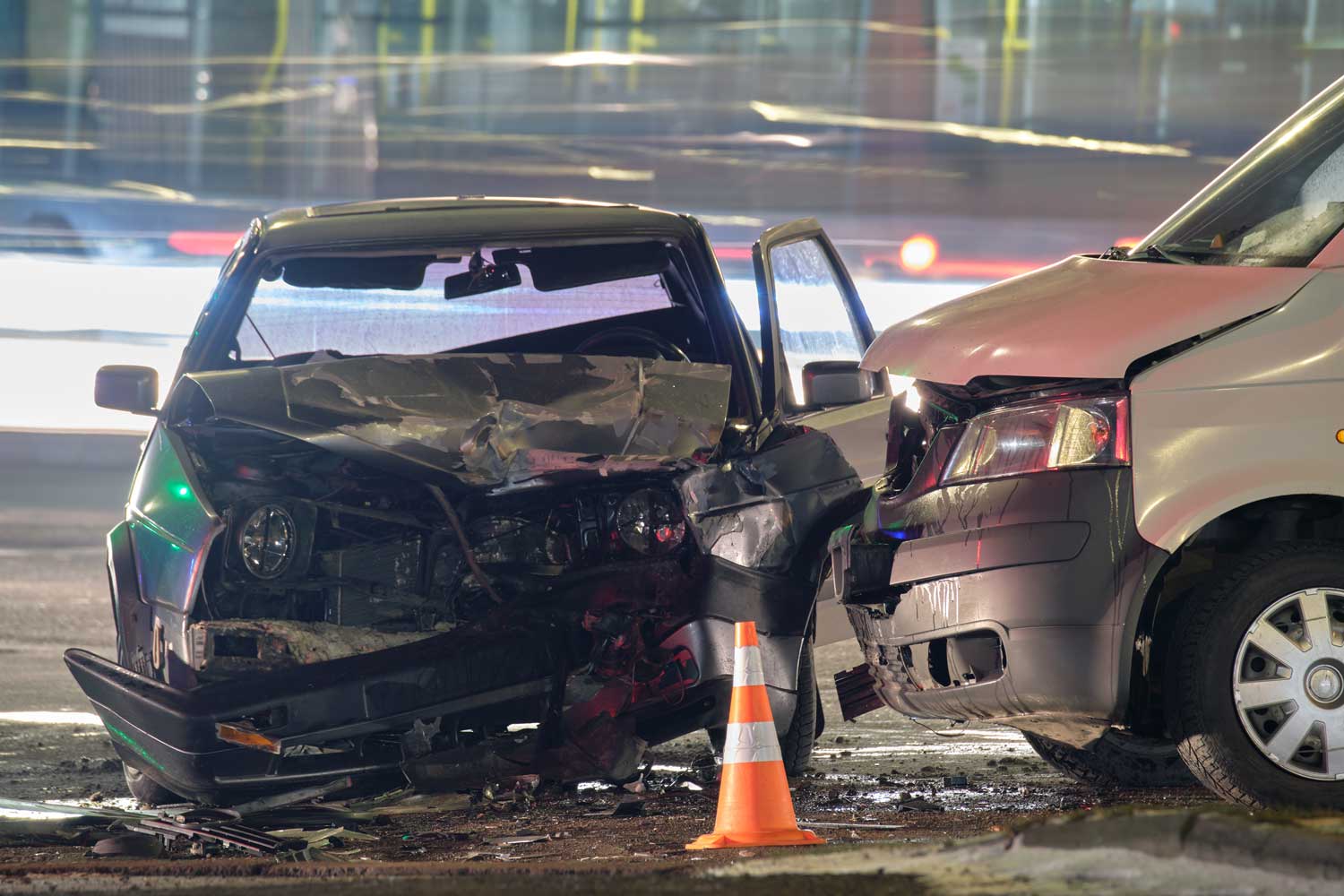
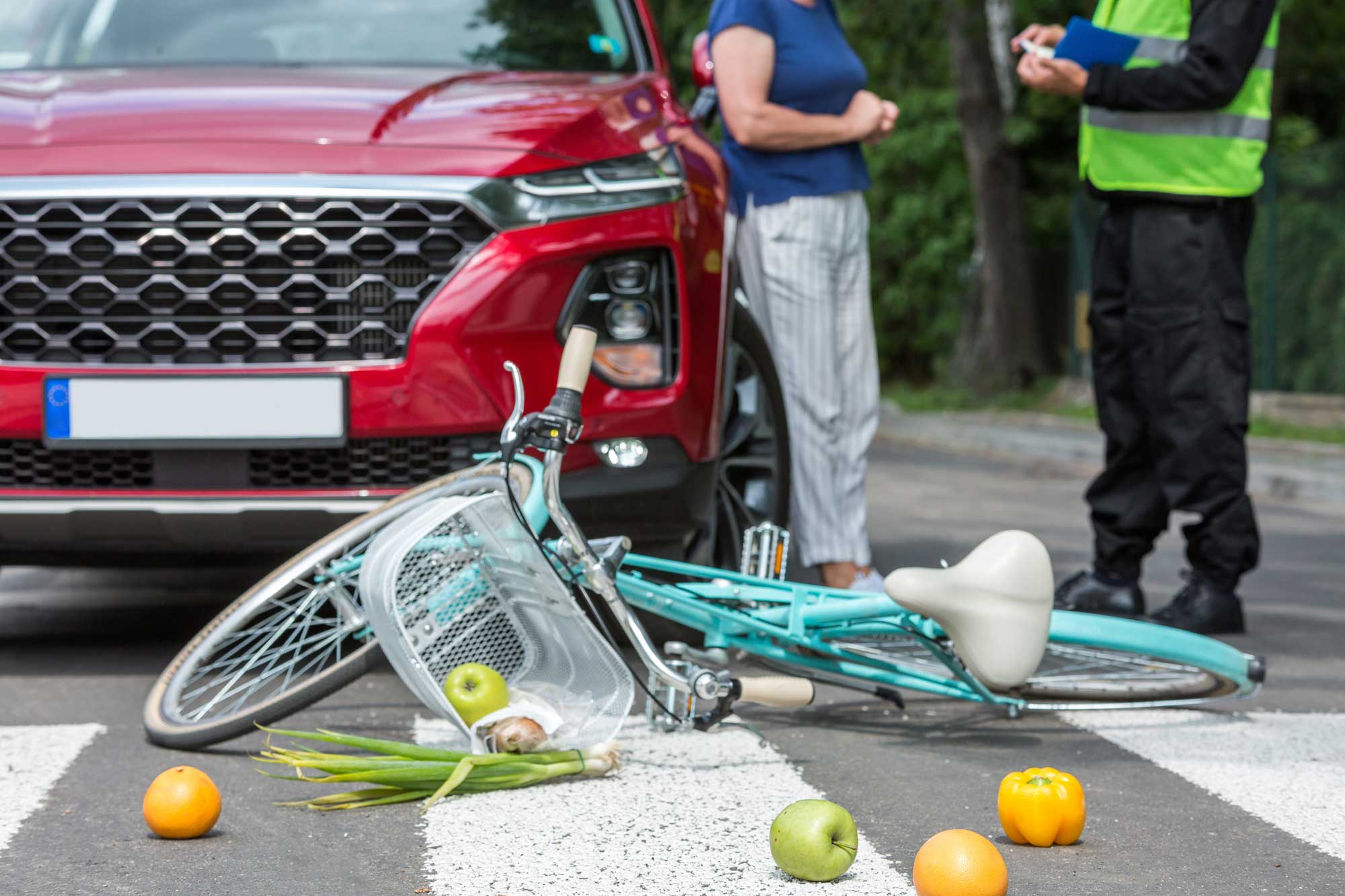
Auto & car accident cases can be difficult to navigate on your own. Whether a minor fender bender or catastrophic disaster, Florida law imposes time limitations for you to file your claim. Therefore, it’s crucial to have a highly skilled, experienced personal injury attorney to help you obtain justice.





Personal Injury Cases & Litigation
If you’ve been injured due to someone else’s negligence, you deserve to be indemnified for your loss. Medical bills, time off from work, loss of earning capacity, pain and suffering, and punitive damages are some types of compensation available to restore your life as much as possible.




Testimonials
What Our Clients Say About Us
Below are just a few testaments of how we go above and beyond our clients at all times.


Christine B.
“This isn’t your run of the mill attorney’s office.. from the minute they took my case they were all very caring and didn’t hesitate to answer any questions that I had. I had the pleasure of dealing with Stephanie Vasilli, Savannah, Kathe Schwartz, and my attorney John Cain. Couldn’t have asked for a nicer group of people. I highly recommend them!!!”

Daniele R.
“If you’re looking to hire a lawyer, then this is definitely the place. They were recommended to me by a friend and I couldn’t be any happier. My case manager was Lola and by the end of this I felt like she was a friend. I started this whole process in October and my father passed away in November. Lola and the team sent me flowers as a condolence. How many law offices would do that? These people are so amazing and definitely get you the money you deserve and they don’t take forever. The entire team is amazing at what they do! Kathe is on top of it when it comes to getting you your settlement as soon as she possibly can and is great at what she does. If you’re second-guessing it don’t this place is absolutely phenomenal. If I could give them more than 5 stars I would!”

Leah M.
“Carey Leisure and Carney helped me out a lot with my car accident when it had complications. They were very helpful, communicative and kind. Kathy Schwartz made me feel like I was in good hands and I really appreciate the work they did to help me get money from my situation.“

Sean O.
“Carey Leisure was AMAZING to work with after our auto accident. They were willing to answer any and all questions and were very clear and friendly the entire time. Our case manager Lola was nothing but professional and very communicative during the entire process!“

Breanna Z.
“I’m very glad I went with Carey Leisure Carney to represent me in my auto accident case, they were able to help my boyfriend and I both get back what we deserve from our accident. All the staff was very kind and helpful, calls were always answered and Lola was so thoughtful and compassionate to me while i really struggled with how my life was flipped. They helped us in many ways and we are very thankful.“

Lauren P.
“If I could give more stars, I definitely would! Not only are the people at this firm super nice and helpful, but Attorney John was incredible. He heard me, helped me, updated me when needed to be updated and just overall a very nice person. Thank you again for everything you have done. I highly recommend!”