
Attorney for brain injury: Justice 2026
When a Brain Injury Changes Everything: Understanding Your Legal Path Forward
An attorney for brain injury is a specialized personal injury lawyer who possesses the medical and legal expertise to represent individuals who have suffered traumatic or acquired brain injuries. These attorneys understand the unique complexities of TBI cases, work with medical experts to prove causation and damages, and fight to secure compensation for current and future medical expenses, lost income, pain and suffering, and long-term care needs.
What an Attorney for Brain Injury Does for You:
- Investigates the accident to establish liability and negligence
- Gathers evidence including medical records, diagnostic tests, and witness statements
- Collaborates with neurologists, life care planners, and vocational experts
- Calculates the full cost of your injury, including future rehabilitation and lost earning capacity
- Negotiates aggressively with insurance companies to prevent lowball settlement offers
- Litigates your case in court if a fair settlement cannot be reached
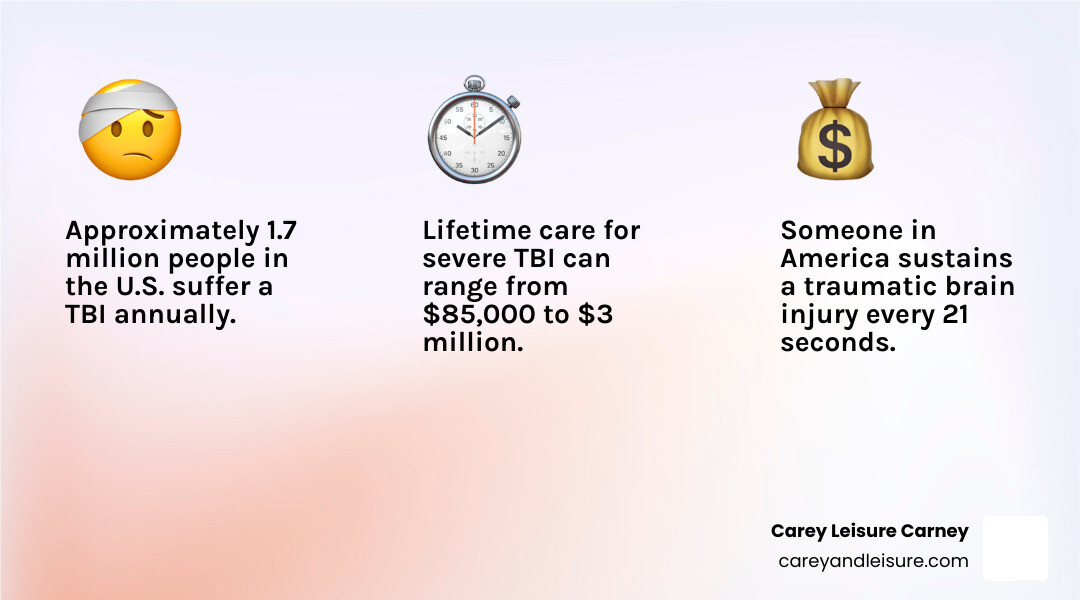
A traumatic brain injury can change your life in a second. According to the Centers for Disease Control and Prevention, approximately 1.7 million people suffer TBIs each year in the United States, accounting for roughly one-third of all injury-related deaths. Every 21 seconds, someone in America sustains a traumatic brain injury.
The aftermath is overwhelming. Medical bills pile up. You can’t work. Your personality changes. Your family struggles to care for you. And the insurance company calls with a settlement offer that sounds good—until you realize it won’t cover a fraction of your lifetime needs.
Brain injuries are different from other personal injuries. They require attorneys who understand not just the law, but the medicine. Who can work with neurologists, neuropsychologists, and life care planners to prove what you’ve lost and what you’ll need for the rest of your life. Who won’t accept an early settlement that leaves you and your family financially devastated five years down the road.
As Thomas W. Carey, I’ve dedicated my career to representing injury victims across Florida, securing multi-million-dollar results in complex personal injury cases including traumatic brain injuries. Finding the right attorney for brain injury cases is critical—your future depends on it.
Understanding the Impact of a Brain Injury
A brain injury is a profound event that can alter every aspect of a person’s life. In a legal context, the focus is primarily on traumatic brain injuries (TBIs).
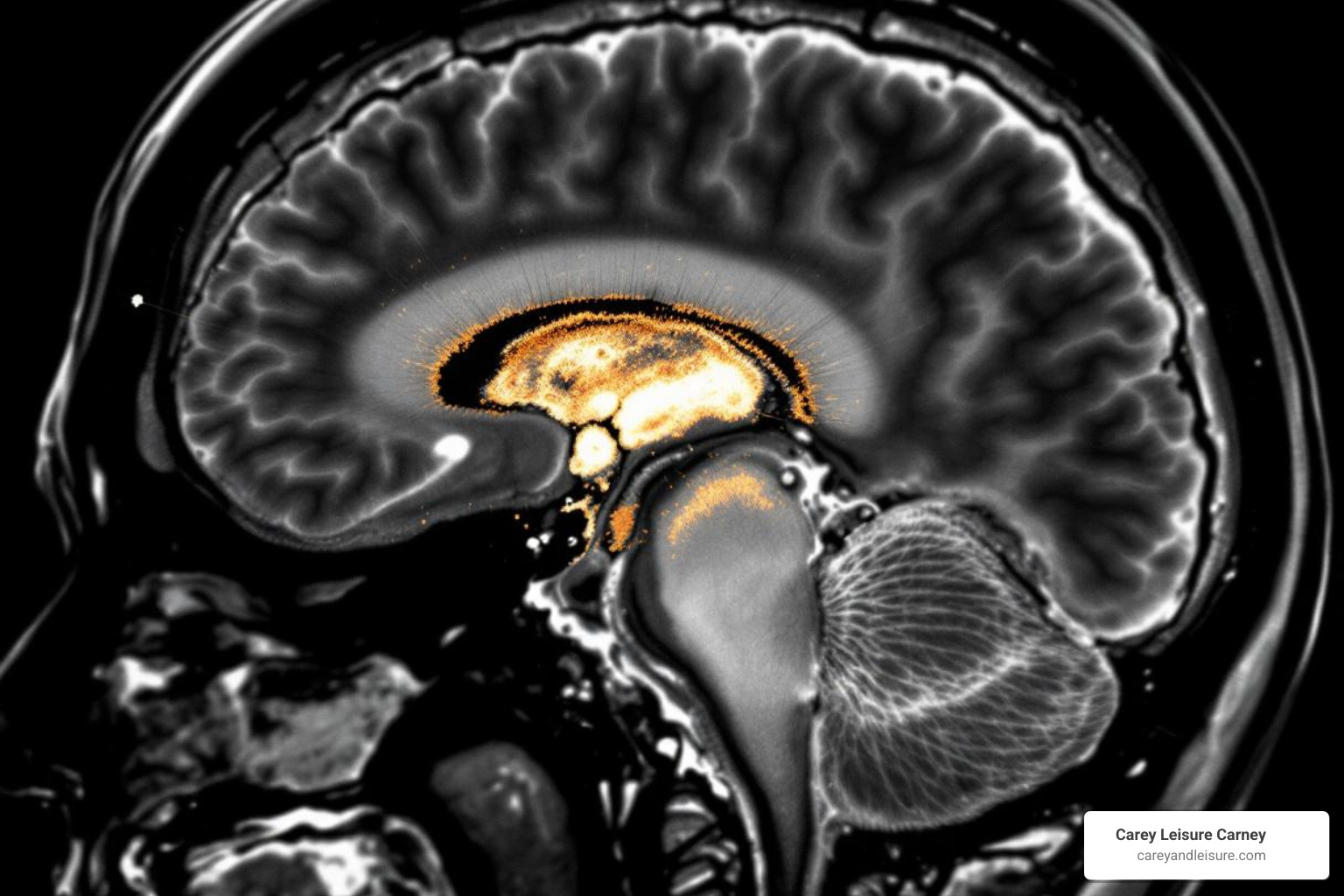
A Traumatic Brain Injury (TBI) is defined as a disruption in the normal function of the brain that can be caused by a bump, blow, or jolt to the head, or a penetrating head injury. This external force can lead to a wide range of physical, cognitive, emotional, and behavioral effects. It’s crucial to distinguish TBIs from acquired brain injuries (ABIs), which result from internal factors like strokes, tumors, or infections. While both are devastating, TBIs are typically the focus of personal injury lawsuits because they are caused by an external, often preventable, event.
TBIs can be further categorized as closed or open head injuries.
- Closed head injuries occur when the head receives a blow or jolt, but the skull remains intact. These are common in car accidents, falls, or sports injuries. Examples include:
- Concussion: A mild TBI resulting from a sudden movement of the brain within the skull. While often considered “mild,” concussions can have significant and lasting effects. You can find More info about Post-Concussion Syndrome here.
- Diffuse Axonal Injury (DAI): A more severe injury where the brain’s long connecting nerve fibers are torn as the brain shifts and rotates inside the skull. This can lead to widespread brain damage.
- Intracranial Hemorrhage: Bleeding in or around the brain, such as a hematoma, which can put pressure on brain tissue.
- Open head injuries involve a penetration of the skull and brain tissue by an external object, such as a bullet or a sharp object. These are often immediately life-threatening.
The Centers for Disease Control and Prevention (CDC) provides extensive CDC data on TBI, underscoring the widespread impact of these injuries across the United States.
Common Causes of Brain Injuries
Brain injuries are often the result of someone else’s negligence. In Florida, we frequently see them stem from various incidents:
- Motor Vehicle Accidents: This is one of the most common causes of TBIs, especially in our busy Florida communities. Whether it’s a car, motorcycle, truck, or even a bicycle accident, the sudden impact or whiplash can cause the brain to violently strike the inside of the skull, leading to severe injury. Even a minor collision can result in significant damage. For more information, please see our page on Car Accidents and Traumatic Brain Injuries.
- Falls: Falls are a leading cause of TBIs, particularly among young children and the elderly. Slippery floors, uneven surfaces, poorly maintained stairwells, or falls from heights can all lead to severe head trauma.
- Sports Injuries: Contact sports like football, hockey, and soccer, as well as individual activities like skiing or skateboarding, carry an inherent risk of head trauma. Repeated concussions, if not properly managed, can lead to long-term neurological issues.
- Workplace Accidents: Certain professions, such as construction or manufacturing, expose workers to hazardous conditions. Falls from heights, being struck by falling objects, or accidents with heavy machinery can all result in serious head injuries.
- Medical Malpractice: Brain injuries can also occur due to medical errors, such as oxygen deprivation during surgery, misdiagnosis of a neurological condition, or errors in medication.
- Assault: Acts of violence, including physical assaults or domestic violence incidents, can directly cause traumatic brain injuries.
While some data points, like the Data on fall-related concussions from Ottawa, highlight the prevalence of falls in specific regions, the general trend holds true across Florida: falls are a significant contributor to brain injuries requiring emergency care.
The Devastating Long-Term Effects
The impact of a brain injury extends far beyond the initial trauma, with lifelong consequences for survivors and their families in Clearwater, Largo, New Port Richey, Spring Hill, St Petersburg, Trinity, and Wesley Chapel. A survivor of a severe TBI can face 5-10 years of intensive rehabilitation, with costs reaching into the millions.
The long-term effects can manifest in various ways:
- Physical Impairments: Persistent headaches, dizziness, balance issues, fatigue, seizures, vision problems, and coordination difficulties are common. These can severely limit a person’s ability to perform daily tasks or return to work.
- Cognitive Challenges: Memory loss, difficulty concentrating, problems with executive functions (planning, problem-solving), slowed processing speed, and impaired judgment can make school, work, and even simple conversations incredibly difficult.
- Emotional Changes: Mood swings, irritability, anxiety, depression, and increased impulsivity are frequently reported. These changes can strain relationships and affect a person’s sense of self. Conditions like the pseudobulbar effect, where individuals experience sudden, uncontrollable crying or laughing, can also arise.
- Behavioral Shifts: Changes in personality, social inappropriateness, or aggression can be particularly challenging for families to manage.
- Financial Burdens: The direct and indirect costs are staggering. Medical bills, ongoing rehabilitation, specialized equipment, lost income, and the need for long-term care create immense financial pressure. Many families find themselves struggling to cope with the economic realities, especially if the injured individual was the primary earner.
As noted by Effects of Brain Injury | Brain Injury Canada, brain injuries affect not just the patient but the entire family, impacting them medically, economically, and socially. Even a minor impact can cause long-term damage, as we’ve explored in Minor Impact Can Cause Long-Term Damage. It’s a journey that requires immense resilience, support, and, often, expert legal advocacy.
Why a Specialized Attorney for Brain Injury is Essential
After a brain injury, the future can seem frightening. This is why a specialized attorney for brain injury is a necessity, not just an advantage.

Brain injury cases are among the most complex in personal injury law. Damage to the brain can have profound, long-lasting effects that are not always apparent. This complexity makes specialized legal expertise indispensable.
An experienced attorney for brain injury understands the medical nuances of these cases. They know how to interpret complex medical records, understand diagnostic tests like CT scans and MRIs, and recognize subtle signs of brain dysfunction that might be missed by a general personal injury lawyer. This medical understanding is crucial for proving the nature and extent of the injury, as well as its long-term implications.
Furthermore, insurance companies are not in the business of paying out large settlements. Their adjusters are trained to minimize payouts. They may try to offer a quick, lowball settlement before the full extent of the injury is known, or they might dispute the severity of the TBI, especially if it’s a “mild” concussion with invisible symptoms. A specialized attorney for brain injury is familiar with these tactics and knows how to counter them effectively, ensuring your rights are protected.
Our goal is always to maximize compensation for our clients. This means carefully calculating not just current medical bills and lost wages, but also future medical needs, rehabilitation costs, lost earning capacity, and non-economic damages like pain, suffering, and loss of enjoyment of life. Without an attorney who understands the true, long-term costs of a TBI, you risk being left without the financial resources you’ll need for lifelong care and support.
A dedicated attorney for brain injury protects your future. They ensure that you and your family receive the comprehensive compensation necessary for your recovery, rehabilitation, and long-term well-being, allowing you to focus on healing without the added burden of legal and financial stress.
What to Look for in an Attorney for Brain Injury
Choosing the right legal champion can make all the difference. When searching for an attorney for brain injury in Clearwater, Largo, New Port Richey, Spring Hill, St Petersburg, Trinity, or Wesley Chapel, we recommend looking for specific qualities:
- Specialization in TBI Cases: This is paramount. Ask what percentage of their practice is dedicated to brain injury cases and how many similar cases they have handled as the lead attorney in recent years. This demonstrates their focused expertise.
- Trial Experience: While many cases settle, having an attorney with a strong track record in court signals to insurance companies that you are prepared to go to trial if necessary. This often leads to more favorable settlement offers.
- Board Certification: Our firm, Carey Leisure Carney, prides itself on having Board-Certified attorneys. This means they have achieved the highest level of recognition for their competency and experience in civil trial law, a distinction held by only 2% of Florida lawyers. This certification is a strong indicator of expertise.
- Financial Resources: Brain injury cases can be expensive to litigate, requiring expert witnesses, extensive investigations, and court fees. Ensure your attorney has the financial capacity to invest in your case without burdening you.
- Positive Client Testimonials: Look for reviews and testimonials that speak to not only their legal prowess but also their compassionate approach and dedication to clients.
- Compassionate Approach: You and your family are going through an incredibly difficult time. You need an attorney who offers personalized service, direct communication, and genuine empathy. We believe in adopting our clients as part of our family, fighting for them in every way possible.
The Brain Injury Association of America offers a helpful Guide to Selecting Legal Representation, emphasizing the importance of informed decision-making in this critical process.
How a Brain Injury Lawyer Fights for You
Once you’ve chosen a qualified attorney for brain injury, their work begins immediately to build a robust case on your behalf. Here’s how we fight for our clients:
- Thorough Investigation: We leave no stone unturned. This involves reconstructing the accident scene, interviewing witnesses, reviewing police and accident reports, and gathering any available photographic or video evidence.
- Evidence Gathering: We carefully collect all relevant documentation, including medical records, diagnostic imaging (CT scans, MRIs), rehabilitation records, employment records, and any personal journals or family statements detailing the impact of the injury.
- Liability Determination: We work to identify all potentially responsible parties, which can range from negligent drivers and property owners to product manufacturers or healthcare providers. Proving negligence is key to securing compensation.
- Collaboration with Medical Experts: We partner with a network of top medical professionals, including neurologists, neuropsychologists, physiatrists, and vocational experts. These experts provide critical testimony on the nature, severity, and long-term prognosis of the brain injury, as well as its impact on your ability to work and live independently.
- Calculating Future Needs: Brain injuries often require lifelong care. We work with life care planners and forensic economists to accurately project the full scope of your future medical expenses, rehabilitation costs, lost earning capacity, and other long-term needs, ensuring your settlement covers these critical aspects.
- Negotiation: Armed with compelling evidence and expert opinions, we aggressively negotiate with insurance companies. Our goal is to secure a fair settlement that fully compensates you for your losses, avoiding the need for a lengthy trial.
- Litigation: If insurance companies refuse to offer a fair settlement, we are fully prepared to take your case to court. Our Board-Certified trial attorneys have the experience and resources to present a powerful case to a jury, advocating fiercely for the justice you deserve.
Navigating the Brain Injury Claim Process
The legal journey after a brain injury can seem daunting, but with an experienced attorney for brain injury by your side, it becomes a structured path toward justice.
At its core, a brain injury claim, like other personal injury cases, hinges on proving negligence. This involves demonstrating four key elements:
- Duty of Care: The at-fault party owed you a legal duty to act reasonably (e.g., drivers have a duty to drive safely, property owners have a duty to maintain safe premises).
- Breach of Duty: The at-fault party failed to uphold that duty (e.g., speeding, failing to fix a hazardous condition).
- Injury: You suffered a brain injury.
- Causation: The at-fault party’s breach of duty directly caused your brain injury.
Proving causation in brain injury cases is particularly complex, especially with mild TBIs where symptoms can be subtle or delayed. This is where the role of evidence becomes paramount. We gather extensive medical records, including initial emergency room reports, neurological evaluations, diagnostic imaging (CT scans, MRIs, fMRIs), and rehabilitation notes. Witness statements, accident reports, and expert opinions from various medical and vocational specialists are also crucial. These experts help connect the dots, explaining how the negligent act led to the injury and detailing its profound impact on your life.
What Damages Can Be Recovered?
When pursuing a brain injury claim, our aim is to recover comprehensive damages that cover all your losses, both tangible and intangible. These are generally categorized as economic and non-economic damages. As detailed in Brain Injury Lawsuits and Damages, understanding these categories is vital for securing full compensation.
Economic Damages: These are quantifiable financial losses directly resulting from the brain injury:
- Medical Bills: Past and future costs of emergency care, hospital stays, surgeries, medications, and ongoing medical treatment.
- Rehabilitation Costs: Expenses for physical therapy, occupational therapy, speech therapy, cognitive therapy, and psychological counseling.
- Lost Wages: Income lost due to time off work during recovery.
- Future Earning Capacity: Compensation for reduced earning potential or inability to return to work due to permanent disability.
- Household Services: Costs for services you can no longer perform, such as cleaning, cooking, or yard work.
- Adaptive Equipment: Expenses for wheelchairs, home modifications, or other assistive devices.
Non-Economic Damages: These compensate for subjective, non-monetary losses that significantly impact your quality of life:
- Pain and Suffering: Physical pain and emotional distress caused by the injury and its treatment.
- Emotional Distress: Anxiety, depression, PTSD, and other psychological impacts.
- Disability and Disfigurement: Compensation for permanent physical or cognitive impairments and any visible scarring or disfigurement.
- Loss of Enjoyment of Life: Damages for the inability to participate in hobbies, social activities, or daily pleasures you once enjoyed.
- Loss of Consortium: Compensation for the negative impact the injury has had on marital or family relationships.
Critical Deadlines and Insurance Company Offers
Time is critical in brain injury cases. In Florida, the Statute of Limitations for most personal injury claims is four years from the date of the injury. For wrongful death claims resulting from a fatal brain injury, this period is typically two years. Missing this deadline can mean forfeiting your right to seek compensation, which is why prompt legal action is vital. You can learn More on your TBI Legal Rights by visiting our dedicated page.
Beware of insurance companies offering a settlement soon after the injury. While it might seem like a welcome relief, these early offers are almost always significantly lower than what your case is truly worth. Insurance adjusters know that the full extent of a brain injury’s impact, especially long-term cognitive and emotional effects, may not be clear for months or even years. Accepting an early settlement means waiving your right to seek further compensation, leaving you vulnerable to future medical costs and lost income that the settlement won’t cover.
We strongly advise against accepting any settlement offer without first consulting with an experienced attorney for brain injury. We can assess the adequacy of the offer, negotiate on your behalf, and ensure that your right to full and fair compensation is protected.
Frequently Asked Questions about Brain Injury Claims
Navigating the legal landscape after a brain injury can raise many questions. Here, we address some of the most common concerns our clients in Florida have.
How do brain injury lawyers charge for their services?
Most brain injury lawyers, including our team at Carey Leisure Carney, work on a contingency fee basis. This means you pay no upfront legal fees and we only get paid if we successfully secure compensation for you through a settlement or a court award. Our fee is a pre-agreed percentage of the final amount recovered.
This payment structure, often referred to as “no win, no fee,” ensures that individuals and families affected by brain injuries, regardless of their financial situation, have access to high-quality legal representation. We also typically advance the costs associated with preparing your case, such as fees for expert witnesses, investigators, and court filings. These advanced costs are then reimbursed from the settlement or award at the conclusion of your case.
How long does it take to resolve a brain injury case?
There’s no single answer to this, as the duration of a brain injury case can vary significantly, ranging from several months to several years. Several factors influence the timeline:
- Case Complexity: The more intricate the details of the accident, the more parties involved, or the more challenging it is to prove negligence, the longer the case may take.
- Severity of Injury: Cases involving severe TBIs, with long-term rehabilitation needs and uncertain prognoses, typically take longer to resolve. This is because we often need to wait until the injured individual’s medical condition stabilizes to accurately assess future medical costs and lost earning capacity.
- Negotiation vs. Trial: Many cases are resolved through negotiations with insurance companies or mediation, which can be quicker. However, if a fair settlement cannot be reached, taking the case to trial will extend the timeline considerably due to court schedules and proceedings.
- Expert Reports: Obtaining comprehensive reports from medical, vocational, and life care planning experts takes time but is crucial for building a strong case.
While the process requires patience, our focus is always on securing the maximum compensation you deserve, not just a quick settlement. We guide you through each step, allowing you to concentrate on your recovery.
Can I still file a claim if I was partially at fault or injured at work?
Yes, in many situations, you can still pursue a claim.
- Partial Fault (Comparative Negligence): Florida follows a pure comparative negligence rule. This means that if you are found to be partially at fault for the accident that caused your brain injury, your compensation award will be reduced by your percentage of fault. For example, if you are awarded $1,000,000 but found to be 20% at fault, you would receive $800,000. It’s crucial to have an attorney for brain injury who can skillfully argue your case to minimize any assigned fault.
- Injured at Work (Workers’ Compensation and Third-Party Claims): If your brain injury occurred at your workplace in Florida, you are likely eligible for workers’ compensation benefits, which cover medical expenses and a portion of lost wages, regardless of fault. However, workers’ compensation typically does not cover pain and suffering.
In addition, if a third party (someone other than your employer or a co-worker) contributed to your workplace injury, you might also have grounds for a personal injury lawsuit against that third party. For example, if you were injured by a defective piece of equipment manufactured by another company, or if a delivery driver from an external company caused an accident on your job site. An experienced attorney for brain injury can help you steer these complexities and determine if you have a valid third-party claim in addition to your workers’ compensation claim.
Understanding your options can be complex, and we are here to help clarify your rights and potential avenues for compensation.
Your Next Steps Toward Justice and Recovery
Experiencing a brain injury is a life-altering event, not just for the individual but for their entire family. The path to recovery is long, and the legal battle to secure necessary compensation can be arduous. However, you don’t have to face it alone.
Taking immediate action is crucial. Your first priority should always be seeking comprehensive medical care for the brain injury. Proper diagnosis and treatment are vital for your health and for establishing the medical evidence necessary for any legal claim.
While focusing on your medical care, it’s equally important to start preserving evidence. Document everything:
- Take photos of the accident scene, vehicle damage, and any visible injuries.
- Gather contact information for witnesses.
- Keep detailed records of all medical appointments, treatments, medications, and expenses.
- Maintain a journal of your symptoms, how the injury impacts your daily life, and any emotional or cognitive changes you experience.
Once the immediate medical crisis is stable, your next critical step is to consult with an experienced attorney for brain injury. At Carey Leisure Carney, we understand the unique challenges faced by brain injury survivors and their families in Clearwater, Largo, New Port Richey, Spring Hill, St Petersburg, Trinity, and Wesley Chapel. Our team of Board-Certified attorneys brings over 100 years of combined experience to every case, offering direct attorney access and personalized service that prioritizes your well-being.
We believe in fighting for the maximum compensation our clients deserve, ensuring they have the resources for ongoing medical care, rehabilitation, lost income, and a secure future. Don’t let the complexity of the legal process or the tactics of insurance companies overwhelm you.
Let us be your legal champions, guiding you through this challenging time with expertise, compassion, and unwavering dedication.
Contact a Traumatic Brain Injury Attorney for a free consultation today. We’re here to help you understand your rights and secure the justice you deserve.