
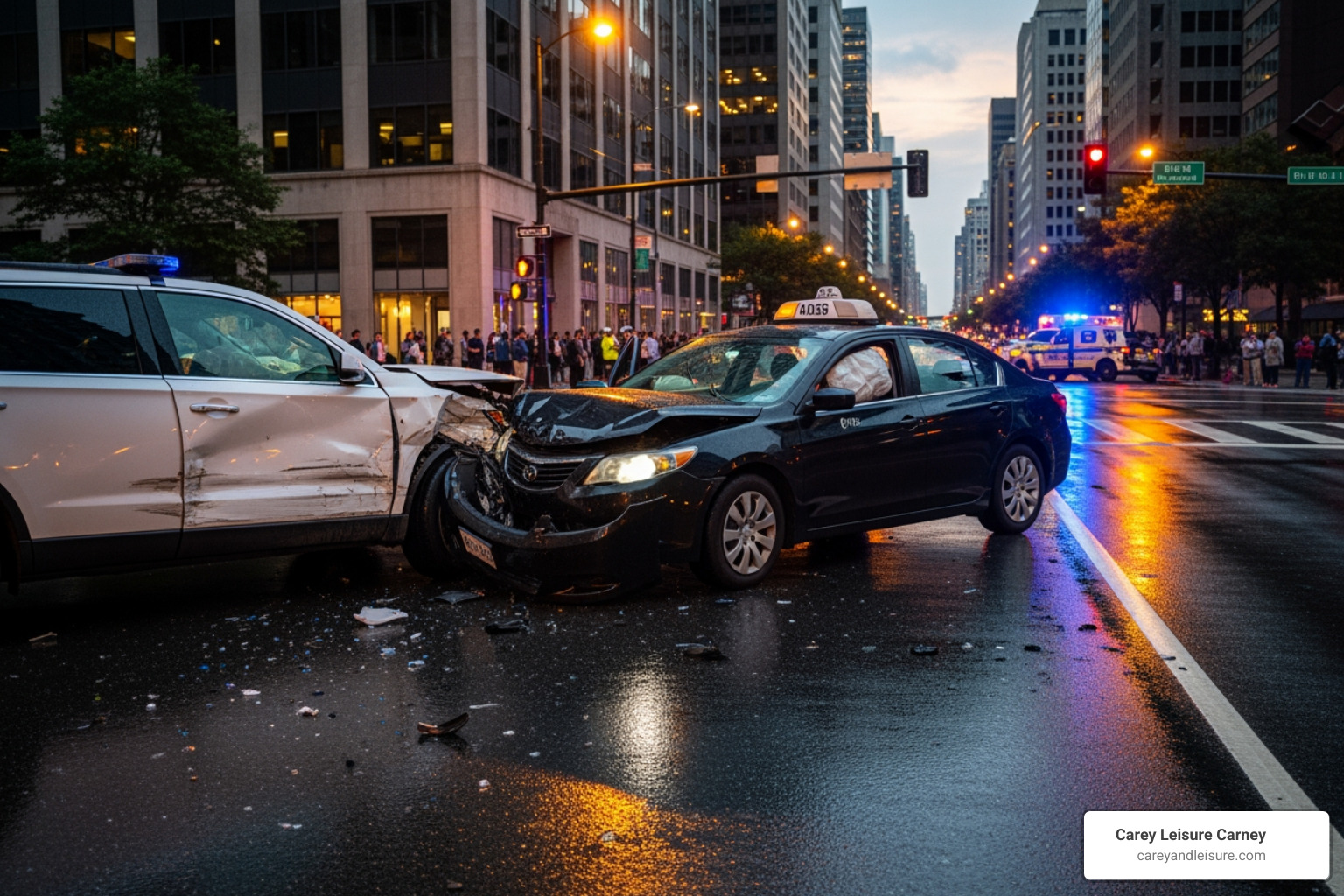
Rideshare Wreck Realities: What to Know About Uber and Lyft Accidents
Why Understanding Rideshare Accident Liability Matters
Uber lyft accidents are rising at an alarming rate across America. If you’ve been injured in a rideshare crash—whether as a passenger, another driver, or a pedestrian—you face a maze of insurance policies, corporate disclaimers, and complicated legal questions about who pays for your damages.
Quick Answer: Understanding Liability in Uber and Lyft Accidents
- Who can be liable: The rideshare driver, Uber or Lyft (through their insurance), other drivers, or multiple parties
- Insurance coverage depends on driver status: App off (personal insurance only), app on waiting (limited coverage), or active trip ($1 million policy)
- You may have multiple claims: Against the driver’s personal insurance, the rideshare company’s policy, or your own UM/UIM coverage
- Third parties are most at risk: 58% of fatal rideshare crash victims are not drivers or passengers
- Act quickly: Florida gives you two years to file, but evidence disappears fast
The numbers tell a sobering story. Ridesharing has contributed to a 2-3% increase in traffic fatalities nationwide. In Los Angeles County alone, thousands of rideshare-related injuries happen every year. About one in four accidents in medium and large cities now involve an Uber or Lyft vehicle. Between 2017 and 2018, 97 fatal Uber crashes resulted in 107 deaths.
What makes these accidents especially complicated is the shifting insurance coverage. When a rideshare driver causes a crash while their app is completely off, their personal auto insurance must handle all claims—Uber and Lyft provide absolutely no coverage. During active trips with passengers, both companies provide $1 million liability policies. But in between? You hit a gray zone with much lower limits that can leave victims scrambling.
As Thomas W. Carey, founding partner of Carey Leisure Carney and a Board-Certified Civil Trial Lawyer with over 35 years of experience, I’ve guided thousands of injury cases through Florida courts, including complex uber lyft accidents involving multiple insurance layers and corporate defendants. My firm’s attorneys understand how to cut through rideshare companies’ tactics and fight for full compensation.
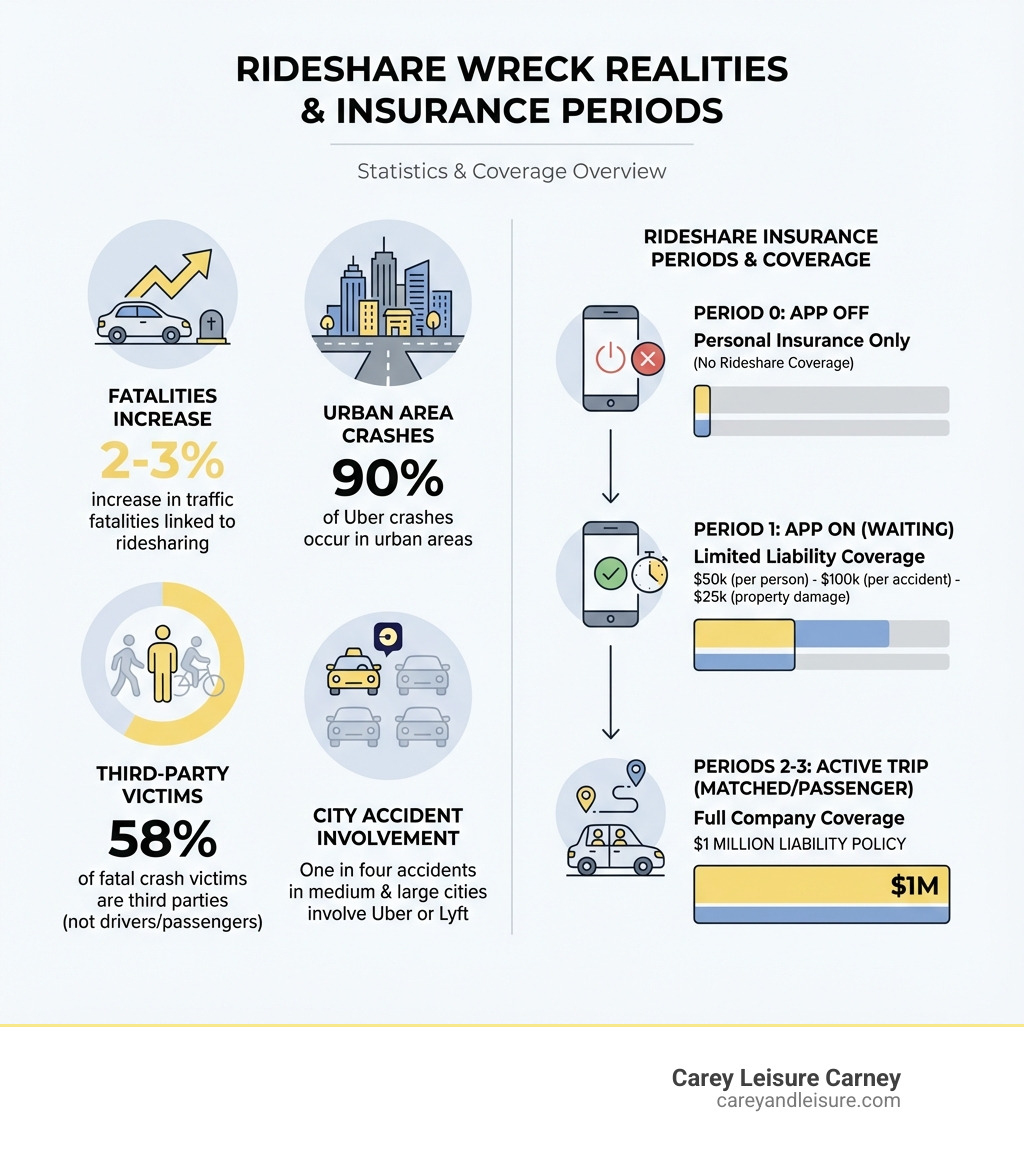
Uber lyft accidents basics:
Understanding Rideshare Insurance: The Three Critical Periods
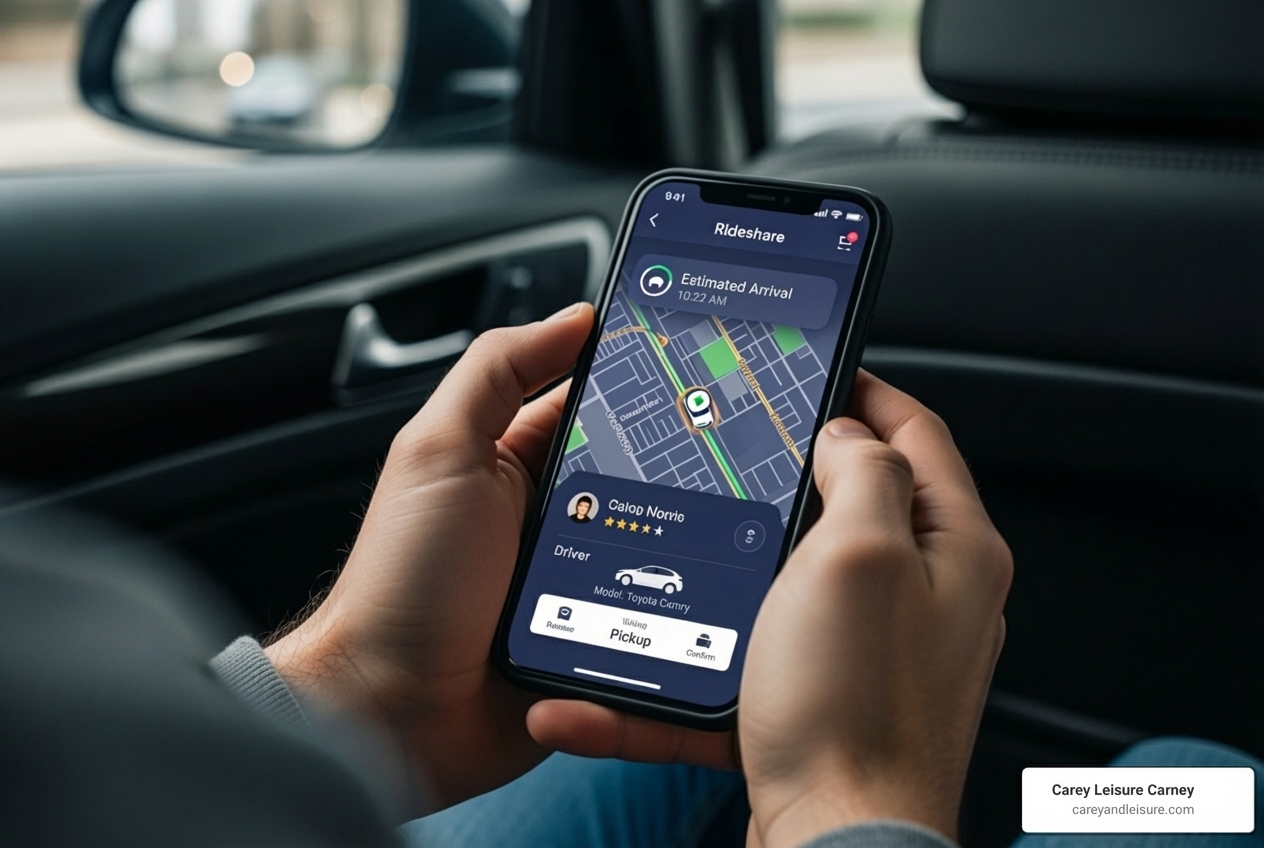
One of the most confusing aspects of uber lyft accidents is understanding how insurance coverage works. Unlike traditional car accidents, rideshare incidents involve a complex interplay of personal auto insurance and commercial policies provided by Uber and Lyft. This complexity stems from the unique relationship rideshare companies have with their drivers, classifying them as independent contractors. This classification often means that the driver’s personal insurance policy may try to deny coverage if the driver was engaged in commercial activity at the time of the accident.
The key to navigating this labyrinth is understanding the “three critical periods” of a rideshare driver’s status, which dictate the level of insurance coverage available.
| Rideshare App Status | Uber/Lyft Coverage | Personal Insurance |
|---|---|---|
| Period 0: App Off | None | Primary |
| Period 1: App On, Waiting for Request | Contingent Liability: $50K/person, $100K/accident, $25K property damage | Primary, but may deny due to “business use” exclusion |
| Periods 2 & 3: En Route to Passenger & On-Trip | Primary: $1 Million Liability, $1 Million UM/UIM | Secondary, if any |
Period 0: App is Off
When a rideshare driver’s app is completely off, and they are not logged into the Uber or Lyft platform, their personal auto insurance policy is the only coverage that applies. Uber and Lyft provide absolutely no coverage in this scenario. This is a crucial detail because many personal auto insurance policies include a “business use” exclusion. If your personal insurer finds you were using your vehicle for commercial purposes like ridesharing, even if the app was off, they might deny your claim entirely. This leaves the driver—and potentially you, as an injured party—in a very precarious position. It highlights why it’s so important for rideshare drivers to understand their personal policy’s limitations. More info about when the rideshare app is off.
Period 1: App On, Waiting for a Request
This is often referred to as the “contingent coverage” period, and it’s where things start to get a little more complicated. In Period 1, the rideshare driver has their app on and is logged into the system, actively waiting for a ride request, but they have not yet accepted a match. During this period, Uber and Lyft provide a backup plan with significantly lower limits compared to when a passenger is in the vehicle.
For both Uber and Lyft, this contingent coverage typically includes:
- $50,000 per person for bodily injury
- $100,000 per accident for bodily injury
- $25,000 for property damage
These limits are designed to kick in only if the driver’s personal insurance denies coverage or is insufficient. However, these amounts can be quickly exhausted in serious accidents, leaving victims with substantial unpaid medical bills and other damages. This gap in protection is a serious concern, especially considering that drivers spend a significant portion of their time (40-60%) in this Period 1 status.
Periods 2 & 3: En Route to Passenger & On-Trip
This is the period with the most robust coverage. Once a rideshare driver has accepted a ride request (Period 2, en route to pick up the passenger) or is actively transporting a passenger (Period 3, on-trip), both Uber and Lyft provide their full commercial auto insurance policies.
This comprehensive coverage includes:
- $1 million in commercial auto liability coverage: This covers bodily injury and property damage to third parties (passengers, other drivers, pedestrians, cyclists) if the rideshare driver is at fault.
- $1 million in uninsured/underinsured motorist (UM/UIM) coverage: This is a critical safety net. If an accident occurs during Periods 2 or 3 and the at-fault driver has no insurance or insufficient insurance, this policy can step in to cover damages for the rideshare driver and passengers.
This $1 million policy is designed to protect passengers and other individuals from significant financial hardship in the event of a serious accident. However, even with this substantial coverage, securing fair compensation can be a battle, as rideshare companies and their insurers are still businesses looking to minimize payouts. Details on ridesharing insurance policies.
What to Do Immediately After a Rideshare Accident
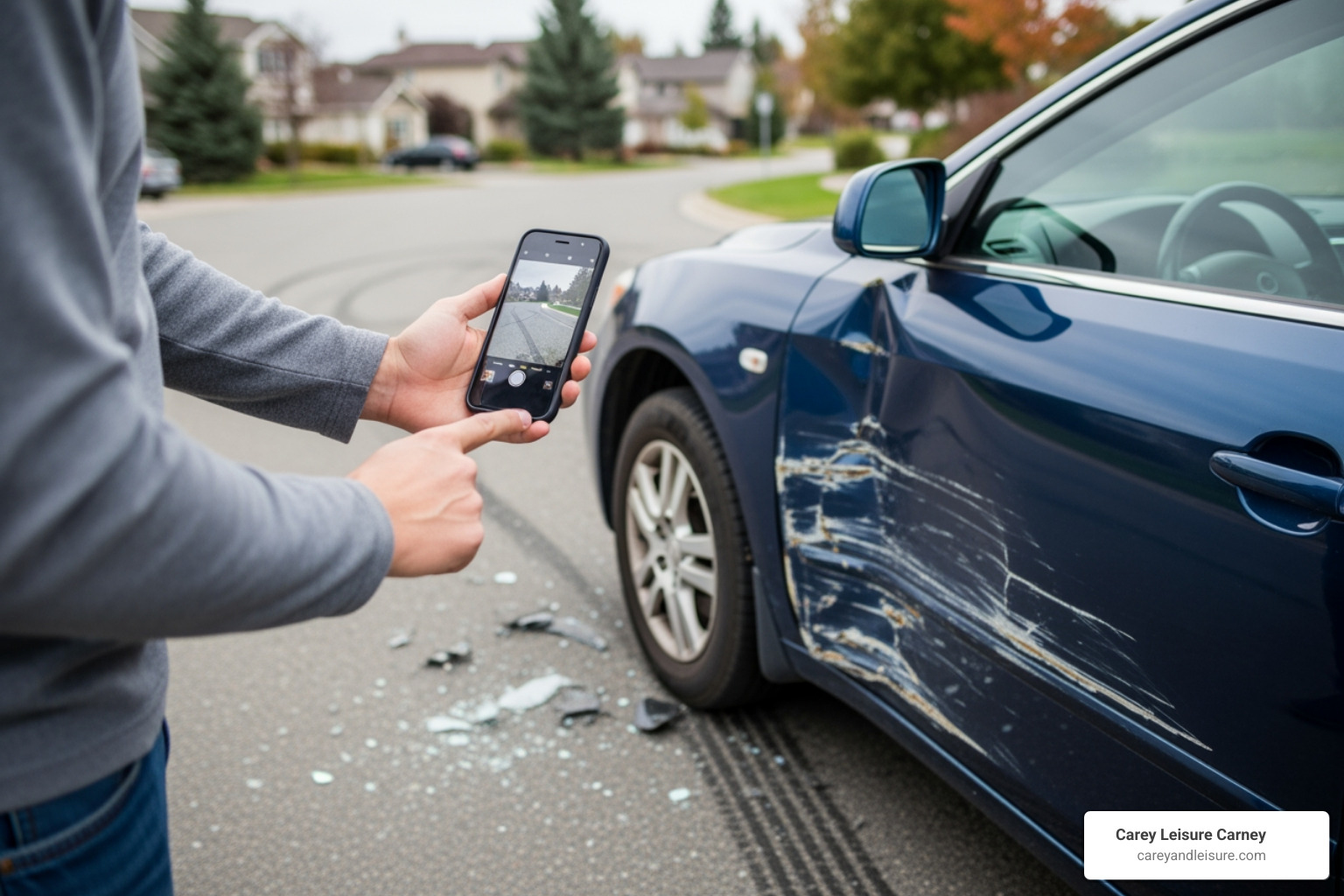
Being involved in any car accident is a jarring experience, but a rideshare accident can be even more confusing due to the unique insurance landscape. Your immediate actions are critical for your safety and for protecting your legal rights. We strongly advise you to follow these steps:
- Ensure Safety First: Check yourself and others for injuries. If anyone is hurt, or if there’s significant property damage, call 911 immediately. Move to a safe location if possible.
- Call 911 / Police Report: Always call the police to the scene. A police report creates an official record of the accident, which is invaluable for insurance claims and legal proceedings.
- Seek Medical Attention: Even if you feel fine, get checked out by a medical professional as soon as possible. Adrenaline can mask pain, and some injuries, like whiplash or concussions, may not manifest for hours or even days. Delaying medical care can not only harm your health but also weaken your personal injury claim. You’ve been in an accident, what’s next? Part 2: Medical Attention.
- Evidence Collection: The more information you gather at the scene, the stronger your potential claim.
- Exchange Information: Get names, phone numbers, email addresses, and insurance information from all drivers involved. Note the make, model, year, and license plate number of all vehicles.
- Photos and Videos: Use your smartphone to take pictures and videos of everything: all vehicles involved (damage, license plates), the accident scene from various angles, road conditions, traffic signals, skid marks, and any visible injuries.
- Witness Information: If anyone saw the accident, get their contact information. Their unbiased account can be crucial.
- App Status: If a rideshare vehicle is involved, try to confirm the driver’s app status (off, on waiting, or on-trip). This is vital for insurance purposes.
- Police Report Number: Get the police report number and the investigating officer’s name and badge number.
For Passengers
As a passenger in an Uber or Lyft, your primary focus should be on your safety and health. You are generally in the best position for coverage, as the rideshare company’s $1 million liability policy should apply if the driver was en route or on an active trip.
- Screenshot Trip Details: Immediately screenshot your Uber or Lyft app showing your trip details, including the driver’s name, vehicle information, and the route. This proves you were an active passenger.
- Report in the App: Report the accident directly through the Uber or Lyft app. This creates an official record with the rideshare company. Report an accident as a Rider.
- Witness Information: If there were other passengers or bystanders, try to get their contact information.
- Medical Evaluation: Even if you feel fine, seek medical attention. Your health is paramount, and a medical record connects your injuries to the accident.
For Other Drivers, Pedestrians, or Cyclists
If you were in another vehicle, walking, or cycling and were involved in an uber lyft accident, your steps are similar to a standard accident but with an added layer of complexity.
- Document Rideshare Driver’s Status: This is critical. Try to confirm if the rideshare driver was logged into the app, waiting for a ride, or on an active trip. Ask the driver, and look for any rideshare decals or identifiers on the vehicle.
- Photos of Decals: Take photos of any Uber or Lyft decals or signs on the driver’s vehicle.
- Gather Driver’s Personal Insurance: Always get the rideshare driver’s personal auto insurance information, even though the rideshare company’s policy might ultimately apply.
- Notify Your Own Insurer: Inform your personal auto insurance company about the accident. They can help with immediate needs like vehicle repairs or medical payments (PIP coverage in Florida).
- Medical Attention: Don’t delay seeking medical care, even for seemingly minor injuries. Steps to Take After Being a Pedestrian Accident Victim.
For Rideshare Drivers
If you are an Uber or Lyft driver involved in an accident, your situation is uniquely challenging, as you’re caught between your personal insurance, the rideshare company’s policy, and potentially your passenger’s well-being.
- Report to the Rideshare Platform: Immediately report the accident through your Uber or Lyft driver app. Uber’s app has a “Safety Toolkit” for this purpose. Report an accident as a Driver.
- Do Not Admit Fault: Never admit fault at the scene, even if you think you were responsible. Let the investigation determine liability.
- Understand Your Coverage: Be clear about your app status at the time of the accident. This determines which insurance policy (personal or rideshare) will be primary. Your personal policy might deny coverage if you were ridesharing.
Navigating the Complexities of Rideshare Accidents: Liability and Compensation
Determining who is at fault and responsible for damages in uber lyft accidents is rarely straightforward. These cases often involve multiple parties and complex legal arguments. Our experience shows that several factors commonly contribute to these crashes:
- Distracted Driving: Rideshare drivers often juggle navigation apps, passenger requests, and communication, leading to distracted driving.
- Driver Fatigue: Long hours on the road, sometimes across multiple rideshare platforms, can lead to driver fatigue, impairing reaction times and judgment.
- Speeding: Economic incentives like surge pricing can encourage drivers to speed to complete more rides or reach a pickup location faster.
- Unfamiliar Roads: Drivers may be navigating unfamiliar routes in new areas, leading to sudden maneuvers or missed turns.
How to Tell Who Is At Fault in a Car Accident can be complicated. The legal responsibility in these cases can fall on the driver, the rideshare company, or other parties. While Uber and Lyft classify their drivers as independent contractors to limit their liability, there are instances where the company itself can be held accountable, particularly if there are claims of negligent hiring (e.g., inadequate background checks).
Determining Liability in Rideshare Accidents
Establishing liability is the cornerstone of any personal injury claim. In uber lyft accidents, this can involve:
- At-Fault Driver: If the rideshare driver’s negligence caused the accident, their personal insurance (if the app was off) or the rideshare company’s commercial policy (if the app was on) would be primarily responsible.
- Rideshare Company Liability: While they generally try to avoid direct liability, rideshare companies can sometimes be held accountable. This can happen through their robust insurance policies when the driver is active, or in rare cases, through claims of corporate negligence, such as failing to conduct proper background checks. Lyft, for instance, has been in the spotlight for poor customer service and has since introduced more stringent driver background checks.
- Third-Party Fault: Often, another driver entirely is at fault. In such cases, we pursue a claim against that driver’s insurance. If that driver is uninsured or underinsured, the rideshare company’s UM/UIM policy (if applicable) or your own UM/UIM coverage can provide a safety net.
- Comparative Negligence: Florida follows a pure comparative negligence system. This means that if you are found partially at fault for the accident, your compensation can be reduced by your percentage of fault. For example, if you are 20% at fault, your damages would be reduced by 20%. This is why thorough investigation and evidence presentation are critical. Gross Negligence Law Complete Guide.
- Police Report Analysis: The police report provides an initial assessment of fault, but it’s not the final word. We conduct our own thorough investigation, collecting evidence, interviewing witnesses, and sometimes employing accident reconstructionists to build a comprehensive picture of what happened.
Types of Compensation You Can Recover
After an uber lyft accident, victims can pursue various types of compensation for their losses, broadly categorized into economic and non-economic damages. Our goal is to ensure you receive full and fair compensation for everything you’ve endured.
- Economic Damages: These are quantifiable financial losses directly resulting from the accident.
- Medical Bills: This includes emergency room visits, hospital stays, surgeries, medications, physical therapy, rehabilitation, and future medical care.
- Lost Wages: Compensation for income lost due to time off work for recovery, as well as future earning capacity if your injuries prevent you from returning to your previous job.
- Property Damage: Costs to repair or replace your vehicle or other damaged property.
- Non-Economic Damages: These are subjective, non-monetary losses that impact your quality of life.
- Pain and Suffering: Compensation for physical pain, discomfort, and emotional distress caused by your injuries.
- Emotional Distress: This can include anxiety, depression, PTSD, or other psychological impacts resulting from the traumatic event.
- Loss of Enjoyment of Life: If your injuries prevent you from participating in hobbies, activities, or daily routines you once enjoyed.
Florida does not have a cap on personal injury compensation for most accident cases, meaning we can fight for the full value of your economic and non-economic losses. What is my personal injury case worth?.
Legal Deadlines and State-Specific Rules
Time is of the essence after an uber lyft accident. There are strict legal deadlines, known as the statute of limitations, for filing a personal injury lawsuit. In Florida, you generally have two years from the date of the accident to file a personal injury lawsuit. While this may seem like a long time, prompt reporting and action are crucial. Evidence can disappear, witness memories fade, and delays can complicate your claim. For instance, if a federal, state, or municipal vehicle was involved in your Uber accident, you have just six months from the date of the accident to file a personal injury claim against them.
Florida is also a no-fault state, which significantly impacts how accident claims are handled. Under Florida’s no-fault system, all drivers are required to carry Personal Injury Protection (PIP) insurance.
- Personal Injury Protection (PIP): After an accident, your PIP coverage is generally the first source of funds for medical expenses and lost wages, regardless of who was at fault. PIP typically covers 80% of your medical bills and 60% of lost wages, up to $10,000. What is PIP Insurance Florida?.
- Serious Injury Threshold: To step outside the no-fault system and pursue a claim against the at-fault driver for non-economic damages (like pain and suffering), you must meet Florida’s “serious injury threshold.” This means your injuries must be permanent, significant, or result in death.
Understanding these state-specific rules is vital for protecting your rights and ensuring you receive the compensation you deserve. While the provided link discusses California’s specific laws, it underscores the importance of state-level regulations. California’s statute of limitations.
Frequently Asked Questions about Rideshare Accidents
How does Uninsured/Underinsured Motorist (UM/UIM) coverage work in a rideshare crash?
Uninsured/Underinsured Motorist (UM/UIM) coverage is a critical safety net, especially in Florida where many drivers are uninsured or carry only minimum liability coverage. This coverage protects you if the at-fault driver has no insurance (uninsured) or not enough insurance to cover your damages (underinsured).
In uber lyft accidents:
- Rideshare Company’s Policy: If you are a passenger or an active rideshare driver (Periods 2 & 3), the rideshare company’s $1 million UM/UIM policy can provide coverage if the at-fault driver is uninsured or underinsured.
- Your Own Policy: Your personal auto insurance policy’s UM/UIM coverage can also apply, often serving as a secondary layer of protection after the rideshare company’s policy or if the rideshare policy doesn’t apply (e.g., in Period 1 for the driver).
- Hit-and-Run Accidents: UM/UIM coverage is also crucial in hit-and-run accidents where the at-fault driver cannot be identified.
Navigating which UM/UIM policy applies and how to claim it can be complex. Uninsured vs. Underinsured Motorist Coverage Explained.
What documentation is needed to build a strong claim for rideshare accidents?
Building a strong claim for an uber lyft accident requires meticulous documentation. The more evidence you have, the better your chances of securing fair compensation. We recommend gathering the following:
- Police Reports: The official record of the accident, including initial findings and witness statements.
- Medical Records: All documentation related to your injuries, treatment, diagnoses, and prognoses, from the initial emergency visit to ongoing therapy.
- Proof of Lost Income: Pay stubs, tax returns, and employer statements to demonstrate lost wages and diminished earning capacity.
- Photos and Videos: Visual evidence of vehicle damage, the accident scene, road conditions, and your injuries.
- Witness Statements: Contact information and formal statements from anyone who saw the accident.
- App Screenshots: For passengers, screenshots of your trip details. For drivers, screenshots showing your app status at the time of the accident.
- Communication Records: Any correspondence with Uber, Lyft, insurance companies, or medical providers.
- Vehicle Repair Estimates/Bills: Documentation of the cost to repair or replace your vehicle.
Documenting Evidence in Personal Injury Claims.
When should I hire an attorney, even for minor injuries?
We always advise hiring an attorney for an uber lyft accident, even if your injuries seem minor at first. Here’s why:
- Complex Insurance Layers: As we’ve discussed, rideshare accident insurance is incredibly complex. An experienced attorney understands how to steer these multiple policies and ensure all potential avenues for compensation are explored.
- Lowball Settlement Offers: Insurance companies, including those representing rideshare giants, are notorious for offering quick, lowball settlements that don’t cover the full extent of your damages. We know how to counter these tactics and fight for what you truly deserve.
- Hidden Long-Term Injuries: What seems like a minor injury today could develop into chronic pain or a more serious condition tomorrow. A lawyer ensures that any settlement accounts for potential future medical costs and long-term impacts.
- Protecting Your Rights: Rideshare companies and their insurers have legal teams looking out for their best interests. You deserve the same protection. We advocate fiercely for your rights, handle all communication, and shield you from tactics designed to undermine your claim.
- Free Consultations: We offer free consultations, so there’s no financial risk in discussing your case and understanding your options.
Don’t let the complexity of uber lyft accidents intimidate you into accepting less than you’re owed. Why you need a personal injury lawyer.
Don’t Steer Your Rideshare Accident Claim Alone
Rideshare accident claims are notoriously complex, involving multiple insurance policies and large corporations. Understanding your rights and the specific details of your situation is the first step toward securing fair compensation. The Board-Certified attorneys at Carey Leisure Carney have the expertise to cut through the confusion and fight for the justice you deserve. If you’ve been injured, get the guidance you need by contacting an experienced Rideshare Accident Attorney.