
Riding Smart: Understanding Your Rights as an Uber Passenger
Why Understanding Uber Passenger Rights Matters
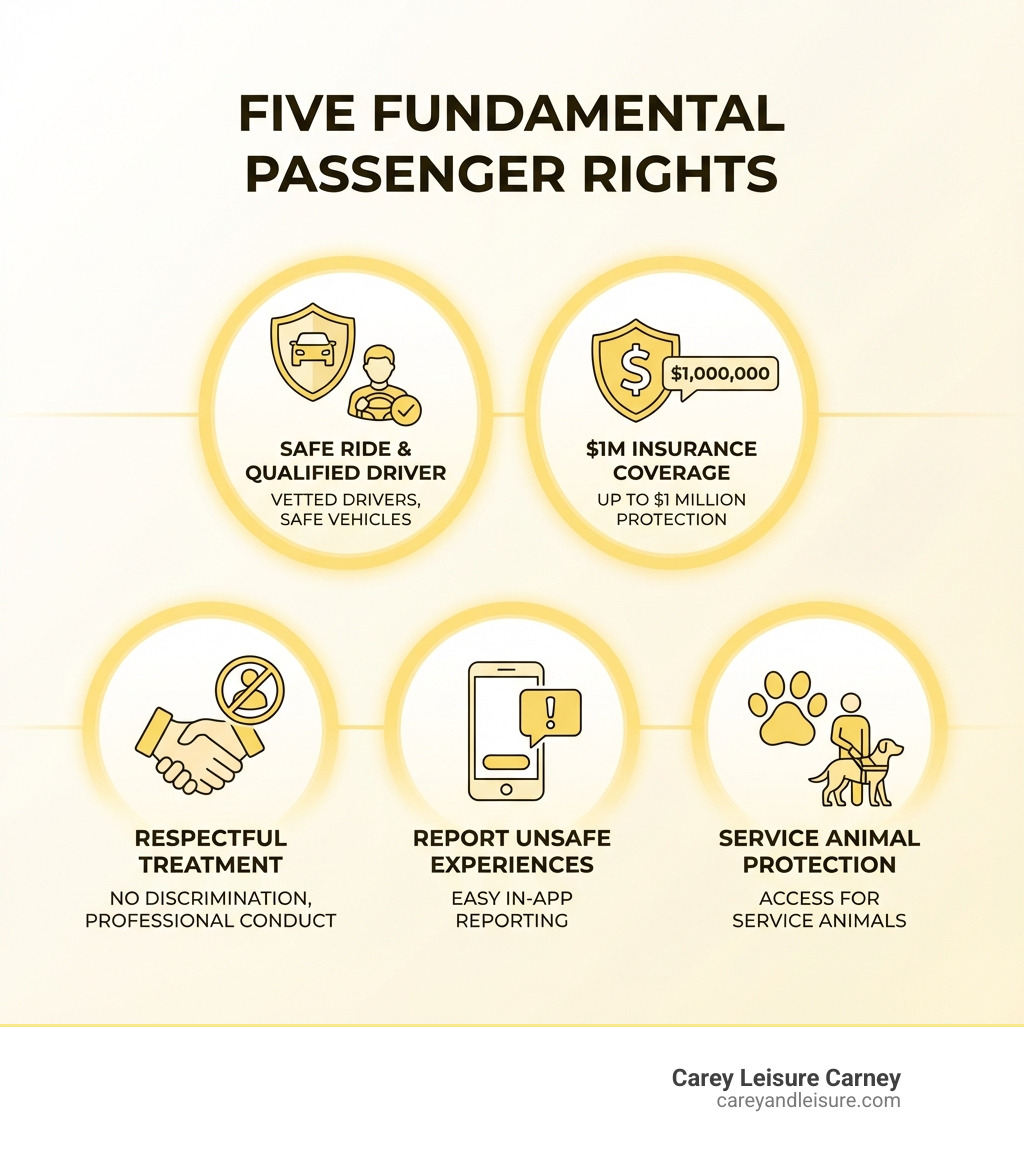
Uber passenger rights encompass your legal protections and entitlements when using rideshare services—from your right to a safe ride with a qualified driver to insurance coverage if an accident occurs, plus the ability to report misconduct without fear of retaliation. As an Uber passenger, you have:
- The right to a safe ride with a driver who is at least 21, has three years of driving experience, and passed a background check
- Access to up to $1 million in insurance coverage when your driver is en route to pick you up or during your trip
- The right to respectful treatment free from discrimination, harassment, or unwanted physical contact
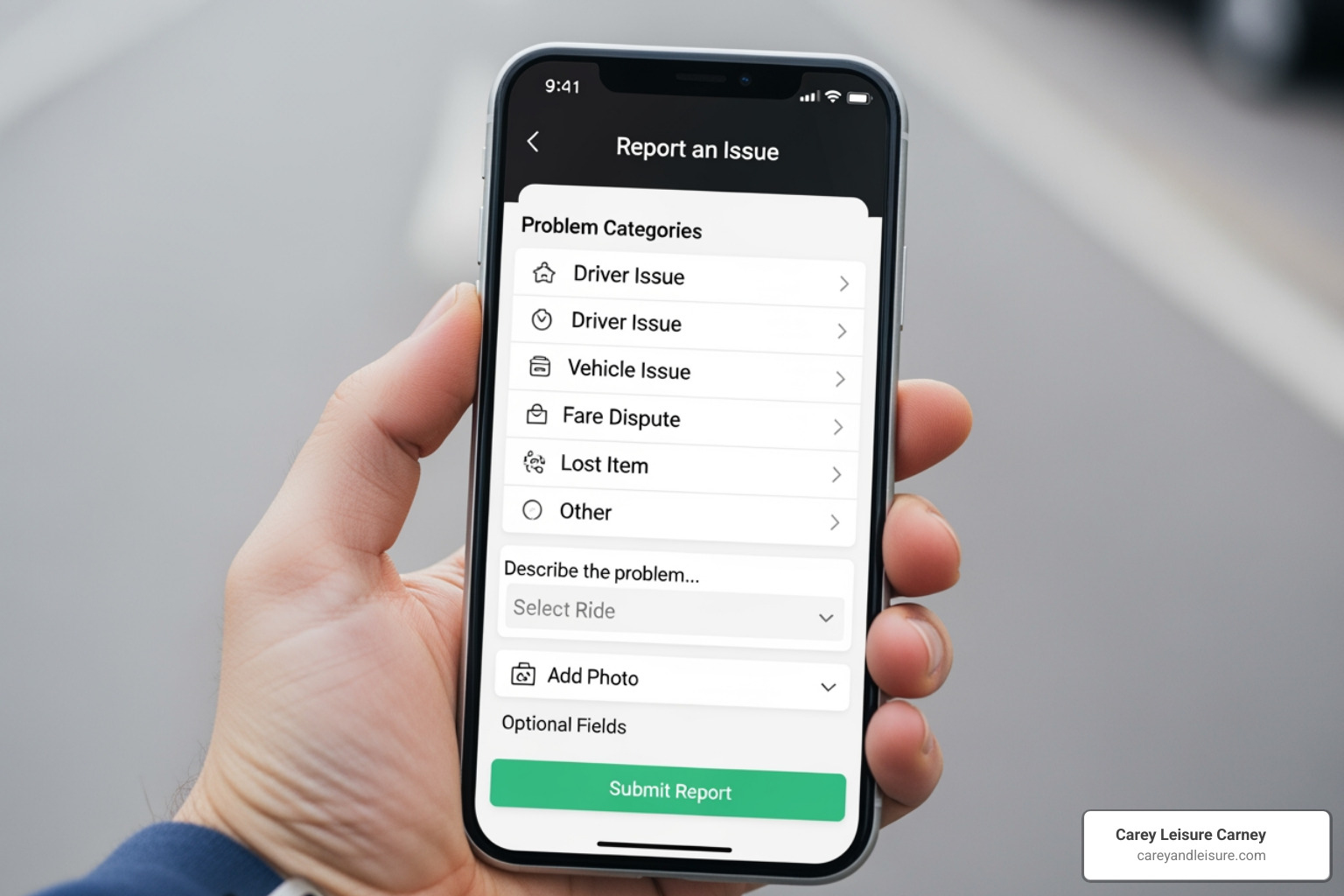
- The ability to report unsafe drivers or uncomfortable experiences through the app or directly to Uber
- Protection for service animals and assistive devices without additional fees or discrimination
- The right to refuse a ride if there aren’t enough seatbelts or if the vehicle doesn’t meet safety standards
Uber has given over five billion rides, making ridesharing a fundamental part of how we move through our communities. The platform has revolutionized transportation, offering convenience and affordability that traditional taxis often couldn’t match.
But with this transportation revolution comes inevitable hazards. Not every ride goes smoothly. Accidents happen. Drivers sometimes violate company policies or behave inappropriately. And when something goes wrong, many passengers don’t know what rights they have or how to protect themselves.
That’s what this guide is for. We’ll walk you through everything you need to know about your rights as an Uber passenger—from the basic rules drivers must follow to what happens if you’re injured in an accident. You’ll learn what behavior is unacceptable, how Uber’s insurance works, and when you might need legal help.
Understanding these rights isn’t just about knowing the rules. It’s about riding with confidence, recognizing when something isn’t right, and knowing exactly what to do if you’re hurt or treated unfairly. Whether you use Uber daily or only occasionally, this knowledge can make the difference between getting the help you need and being left to steer a complex system alone.
As Thomas W. Carey, a board-certified civil trial lawyer who has guided over 40,000 injury cases since 1988, I’ve helped countless clients understand and exercise their Uber passenger rights after accidents and misconduct. This guide draws on decades of experience holding negligent parties accountable and securing fair compensation for injured passengers.
Uber passenger rights vocab explained:
Your Right to a Safe and Respectful Ride
Every time you request an Uber, you’re placing your trust in the driver and the platform. It’s only natural to expect a safe and respectful journey. Uber’s policies and community guidelines are designed to uphold this expectation, outlining clear standards for both drivers and passengers. From the moment you book your ride to when you safely reach your destination, you have specific Uber passenger rights that ensure your well-being and comfort.

Before your ride even begins, Uber implements several safety measures. When your driver is assigned, the app provides you with vital information: the driver’s name, photo, vehicle make and model, and license plate number. It’s crucial for your safety to double-check this information against the actual vehicle that arrives. Never get into a car if the details don’t match what’s in your app. This simple pre-ride verification is your first line of defense.
Once you’re in the vehicle, your safety continues to be a priority. Uber’s in-app safety features, such as the ability to share your trip status with trusted contacts, offer an extra layer of security. Beyond the technical aspects, the foundation of a positive Uber experience lies in mutual respect. Both drivers and passengers are expected to adhere to the Uber Community Guidelines, which emphasize courtesy, professionalism, and a commitment to safety for everyone in the Uber community.
Fundamental Uber Passenger Rights for a Safe Journey
Your right to a safe journey begins with the qualifications of your driver and their vehicle. Uber has established stringent requirements to ensure that every trip meets a baseline of safety and reliability.
First, let’s talk about driver qualifications. To drive for Uber, individuals must meet specific criteria, including:
- Age and Experience Requirements: Drivers must be at least 21 years old and have a minimum of three years of licensed driving experience. This ensures a certain level of maturity and on-road expertise.
- Background Checks: All Uber drivers undergo comprehensive third-party background checks. These checks screen for dangerous criminal offenses and aim to ensure a clean driving record, giving you peace of mind that your driver has been vetted.
Next, the vehicle itself plays a critical role in your safety. Uber maintains specific standards for the cars on its platform:
- Vehicle Age: In many areas, including Florida, a driver’s vehicle must be ten years old or newer. This helps ensure that the car is in good working condition and has modern safety features.
- Vehicle Condition: Beyond age, vehicles must be four-door, have at least four seats, and be in good working order. This includes functioning seatbelts for all passengers, working windows, and air conditioning. Major cosmetic damage or mechanical issues are generally not permitted.
- Seatbelt Availability: This is non-negotiable. All passengers must wear a seatbelt. If you arrive at a vehicle and there aren’t enough functioning seatbelts for everyone in your group, you have the right to refuse the ride. Your safety is paramount, and a ride without proper restraints is simply not worth the risk.
Knowing these fundamental Uber passenger rights empowers you to make informed decisions. If a vehicle doesn’t meet these requirements, or if you feel unsafe for any reason, you have the right to decline the ride and report the issue to Uber. After all, if you ever find yourself in the unfortunate situation of an accident, understanding what to do if you’re a passenger in an accident becomes crucial, and knowing your driver and vehicle met basic safety standards can be an important factor.
Passenger Conduct and Community Standards
Just as drivers have responsibilities, so do passengers. Uber’s community guidelines aren’t a one-way street; they foster a positive and respectful environment for everyone. Understanding your role in this shared experience is an important aspect of Uber passenger rights.
Here are some key expectations for passenger conduct:
- Punctuality: Be ready when your driver arrives. Being on time helps keep things moving smoothly and is a simple courtesy.
- Respect for Property: Treat your driver’s vehicle with care. Avoid shouting, swearing, or slamming doors. If you have trash, take it with you. If you spill something, try to clean it up. Damage to the vehicle can result in cleaning fees or even account deactivation.
- No Illegal Activities: This is a strict rule. You must never use the Uber platform for any illegal activities, such as drug trafficking, money laundering, human trafficking, or child exploitation.
- Following the Law: This extends to your requests during a ride. You should never ask your driver to speed, make illegal stops or drop-offs, or perform any illegal maneuvers. Drivers are obligated to follow all traffic laws, and so are you as a passenger.
By adhering to these community standards, you contribute to a positive experience for yourself, your driver, and the entire Uber community. Uber’s policies on passenger conduct and driver behavior work together to create an atmosphere where everyone feels supported and welcomed. When we all do our part, ridesharing remains a convenient and safe option for getting around Clearwater, St. Petersburg, and throughout Florida.
Navigating an Accident: Insurance, Liability, and Your Uber Passenger Rights
Even with all the precautions, accidents can happen. If you’re a passenger in an Uber that gets into a collision, the situation can quickly become confusing. Unlike a traditional car accident, rideshare accidents involve a complex web of insurance policies, liability questions, and the unique status of the Uber driver as an independent contractor. Understanding your Uber passenger rights in this scenario is absolutely critical.
The complexity arises from several factors:
- Multiple Insurance Policies: There might be the Uber driver’s personal insurance, Uber’s commercial insurance, and potentially the insurance of another at-fault driver involved in the collision. Each policy has different coverage limits and conditions.
- Determining Fault: Establishing who is at fault is crucial, as it dictates which insurance policy will primarily be responsible for covering damages. This can be straightforward or highly contentious, especially in multi-vehicle accidents.
- Independent Contractor Status: Uber explicitly states that its drivers are independent contractors, not employees or agents. This distinction is often used by Uber’s legal teams to limit the company’s direct liability in accidents, making it challenging to pursue claims against the company itself. However, as an injured passenger, you generally have more recourse than a driver might.
Given these complexities, knowing what to do if your Uber gets into an accident in Florida is invaluable. It’s important to remember that Uber and similar rideshare companies often employ extensive legal teams dedicated to minimizing their financial responsibility in injury cases. This is why having a clear understanding of your rights and the available insurance coverage is so important.
Uber’s Insurance Coverage Explained
Uber’s insurance coverage for accidents is not a one-size-fits-all policy. It varies significantly depending on the driver’s “status” at the time of the accident. This is a critical detail for any passenger involved in a collision.
Here’s a breakdown of Uber’s insurance coverage based on the driver’s status:
| Driver Status | Coverage Type | Limits Uber has given over five billion rides, making ridesh## Your Right to a Safe and Respectful Ride
Every time you request an Uber, you’re placing your trust in the driver and the platform. It’s only natural to expect a safe and respectful journey. Uber’s policies and community guidelines are designed to uphold this expectation, outlining clear standards for both drivers and passengers. From the moment you book your ride to when you safely reach your destination, you have specific Uber passenger rights that ensure your well-being and comfort.
Before your ride even begins, Uber implements several safety measures. When your driver is assigned, the app provides you with vital information: the driver’s name, photo, vehicle make and model, and license plate number. It’s crucial for your safety to double-check this information against the actual vehicle that arrives. Never get into a car if the details don’t match what’s in your app. This simple pre-ride verification is your first line of defense.
Once you’re in the vehicle, your safety continues to be a priority. Uber’s in-app safety features, such as the ability to share your trip status with trusted contacts, offer an extra layer of security. Beyond the technical aspects, the foundation of a positive Uber experience lies in mutual respect. Both drivers and passengers are expected to adhere to the Uber Community Guidelines, which emphasize courtesy, professionalism, and a commitment to safety for everyone in the Uber community.
Fundamental Uber Passenger Rights for a Safe Journey
Your right to a safe journey begins with the qualifications of your driver and their vehicle. Uber has established stringent requirements to ensure that every trip meets a baseline of safety and reliability.
First, let’s talk about driver qualifications. To drive for Uber, individuals must meet specific criteria, including:
- Age and Experience Requirements: Drivers must be at least 21 years old and have a minimum of three years of licensed driving experience. This ensures a certain level of maturity and on-road expertise.
- Background Checks: All Uber drivers undergo comprehensive third-party background checks. These checks screen for dangerous criminal offenses and aim to ensure a clean driving record, giving you peace of mind that your driver has been vetted.
Next, the vehicle itself plays a critical role in your safety. Uber maintains specific standards for the cars on its platform:
- Vehicle Age: In many areas, including Florida, a driver’s vehicle must be ten years old or newer. This helps ensure that the car is in good working condition and has modern safety features.
- Vehicle Condition: Beyond age, vehicles must be four-door, have at least four seats, and be in good working order. This includes functioning seatbelts for all passengers, working windows, and air conditioning. Major cosmetic damage or mechanical issues are generally not permitted.
- Seatbelt Availability: This is non-negotiable. All passengers must wear a seatbelt. If you arrive at a vehicle and there aren’t enough functioning seatbelts for everyone in your group, you have the right to refuse the ride. Your safety is paramount, and a ride without proper restraints is simply not worth the risk.
Knowing these fundamental Uber passenger rights empowers you to make informed decisions. If a vehicle doesn’t meet these requirements, or if you feel unsafe for any reason, you have the right to decline the ride and report the issue to Uber. After all, if you ever find yourself in the unfortunate situation of an accident, understanding what to do if you’re a passenger in an accident becomes crucial, and knowing your driver and vehicle met basic safety standards can be an important factor.
Passenger Conduct and Community Standards
Just as drivers have responsibilities, so do passengers. Uber’s community guidelines aren’t a one-way street; they foster a positive and respectful environment for everyone. Understanding your role in this shared experience is an important aspect of Uber passenger rights.
Here are some key expectations for passenger conduct:
- Punctuality: Be ready when your driver arrives. Being on time helps keep things moving smoothly and is a simple courtesy.
- Respect for Property: Treat your driver’s vehicle with care. Avoid shouting, swearing, or slamming doors. If you have trash, take it with you. If you spill something, try to clean it up. Damage to the vehicle can result in cleaning fees or even account deactivation.
- No Illegal Activities: This is a strict rule. You must never use the Uber platform for any illegal activities, such as drug trafficking, money laundering, human trafficking, or child exploitation.
- Following the Law: This extends to your requests during a ride. You should never ask your driver to speed, make illegal stops or drop-offs, or perform any illegal maneuvers. Drivers are obligated to follow all traffic laws, and so are you as a passenger.
By adhering to these community standards, you contribute to a positive experience for yourself, your driver, and the entire Uber community. Uber’s policies on passenger conduct and driver behavior work together to create an atmosphere where everyone feels supported and welcomed. When we all do our part, ridesharing remains a convenient and safe option for getting around Clearwater, St. Petersburg, and throughout Florida.
Navigating an Accident: Insurance, Liability, and Your Uber Passenger Rights
Even with all the precautions, accidents can happen. If you’re a passenger in an Uber that gets into a collision, the situation can quickly become confusing. Unlike a traditional car accident, rideshare accidents involve a complex web of insurance policies, liability questions, and the unique status of the Uber driver as an independent contractor. Understanding your Uber passenger rights in this scenario is absolutely critical.
The complexity arises from several factors:
- Multiple Insurance Policies: There might be the Uber driver’s personal insurance, Uber’s commercial insurance, and potentially the insurance of another at-fault driver involved in the collision. Each policy has different coverage limits and conditions.
- Determining Fault: Establishing who is at fault is crucial, as it dictates which insurance policy will primarily be responsible for covering damages. This can be straightforward or highly contentious, especially in multi-vehicle accidents.
- Independent Contractor Status: Uber explicitly states that its drivers are independent contractors, not employees or agents. This distinction is often used by Uber’s legal teams to limit the company’s direct liability in accidents, making it challenging to pursue claims against the company itself. However, as an injured passenger, you generally have more recourse than a driver might.
Given these complexities, knowing what to do if your Uber gets into an accident in Florida is invaluable. It’s important to remember that Uber and similar rideshare companies often employ extensive legal teams dedicated to minimizing their financial responsibility in injury cases. This is why having a clear understanding of your rights and the available insurance coverage is so important.
Uber’s Insurance Coverage Explained
Uber’s insurance coverage for accidents is not a one-size-fits-all policy. It varies significantly depending on the driver’s “status” at the time of the accident. This is a critical detail for any passenger involved in a collision.
Here’s a breakdown of Uber’s insurance coverage based on the driver’s status:
| Driver Status | Coverage Type | Limits I am ready to write the article.