
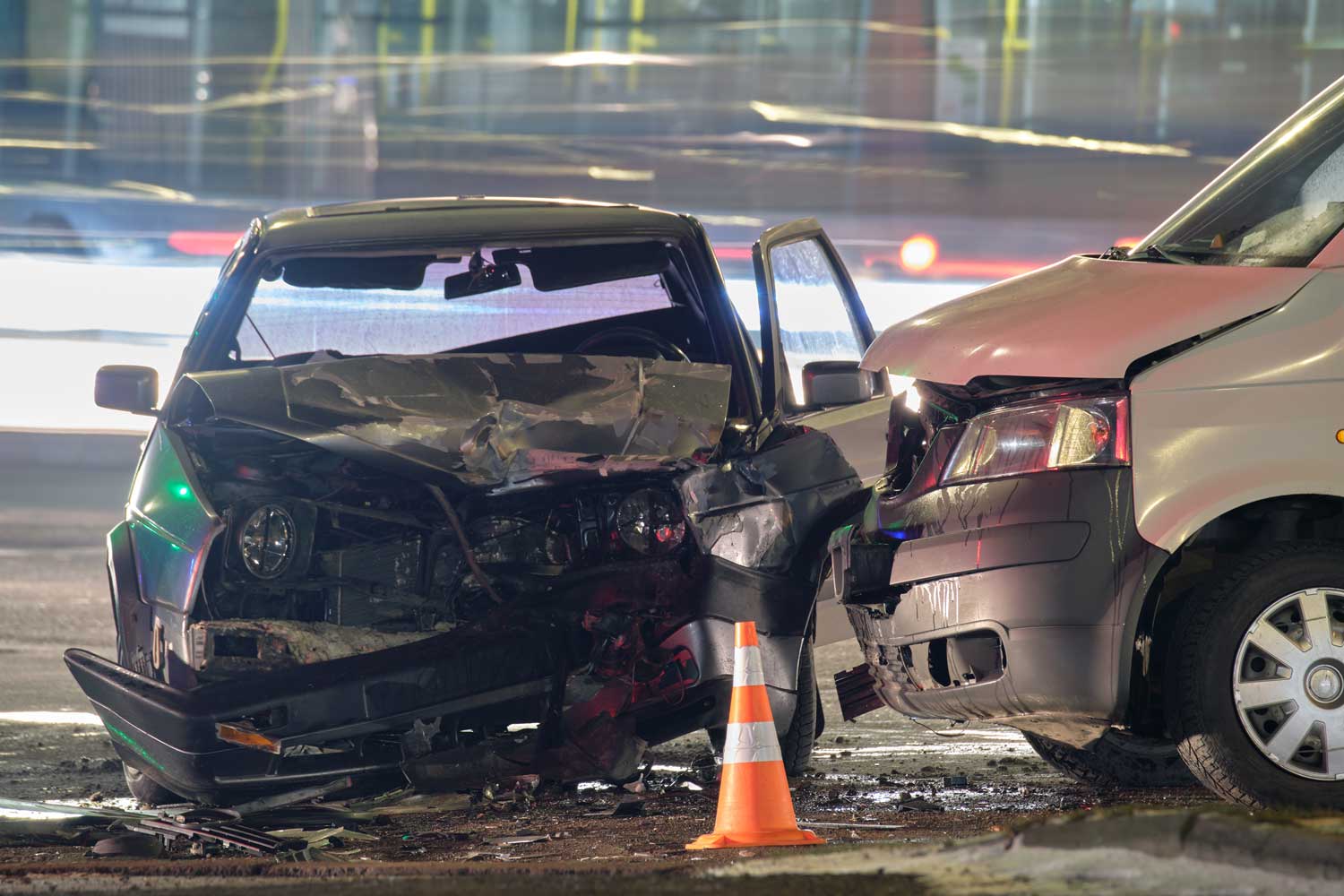
The Real Cost: What Defines a ‘Bad’ Car Accident?
What Makes a Car Accident “Bad”? The Key Factors That Determine Crash Severity
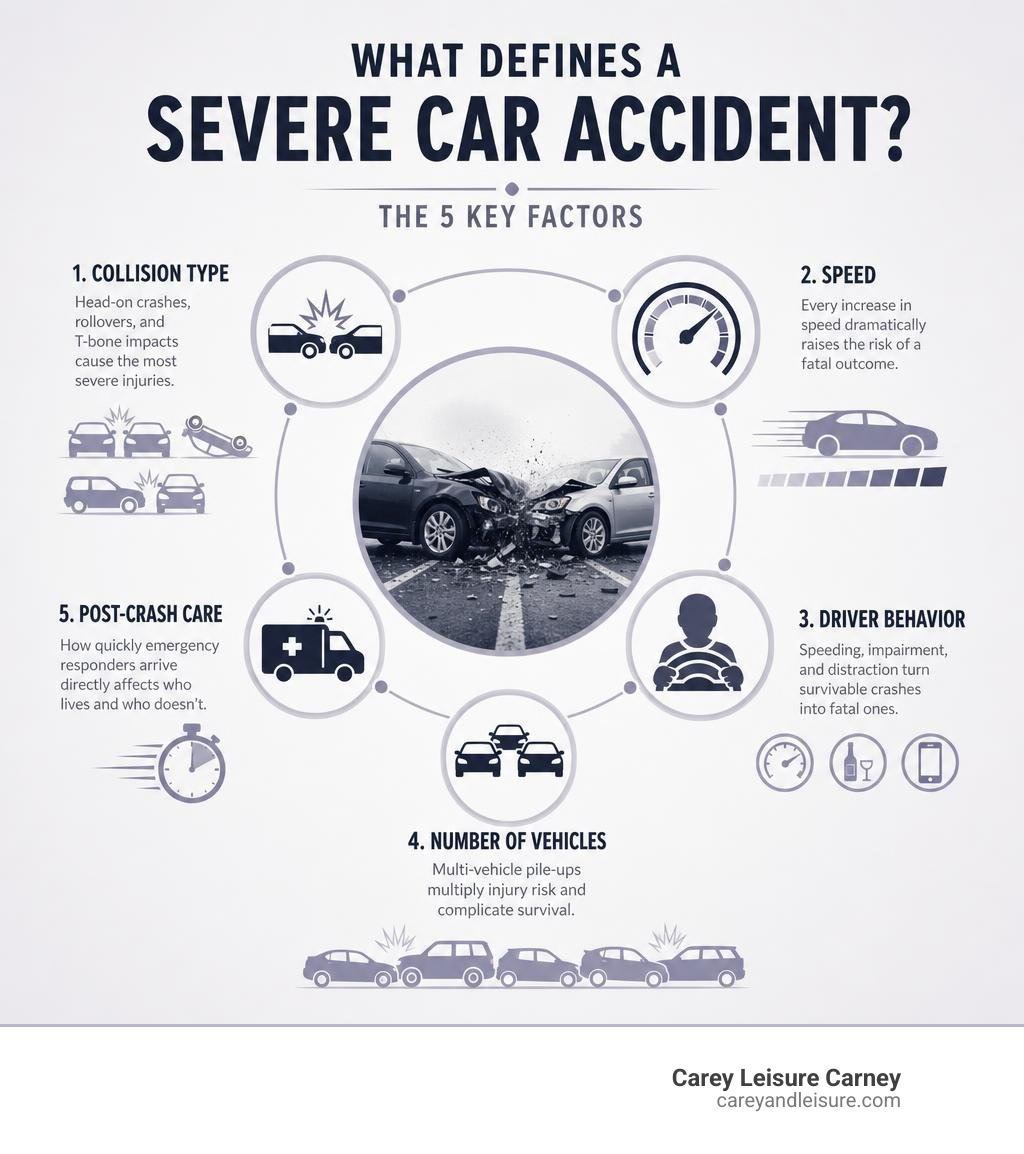
Bad car accidents are not just fender-benders gone wrong — they are high-impact events that can permanently alter or end lives in seconds. Here is a quick breakdown of what separates a severe crash from a minor one:
What defines a “bad” car accident?
- Collision type — Head-on crashes, rollovers, and T-bone impacts cause the most severe injuries
- Speed — Every increase in speed dramatically raises the risk of a fatal outcome
- Driver behavior — Speeding, impairment, and distraction turn survivable crashes into fatal ones
- Number of vehicles — Multi-vehicle pile-ups multiply injury risk and complicate survival
- Post-crash care — How quickly emergency responders arrive directly affects who lives and who doesn’t
The scale of the problem is staggering. Approximately 1.19 million people die each year in road traffic crashes worldwide. In the U.S. alone, 44,762 people were killed in motor vehicle crashes in 2023. And despite dramatic long-term improvements in vehicle safety technology, fatality rates have actually risen since 2019 — a troubling reversal of decades of progress.
Crash severity is rarely random. It is almost always the result of specific, identifiable forces — physics, human behavior, road design, and emergency response — colliding at the worst possible moment.
I’m Thomas W. Carey, founding partner of Carey Leisure Carney and a board-certified civil trial attorney with over three decades of experience representing victims of bad car accidents across Florida. After losing my own wife to a drunk driver, this work became deeply personal — and I’ve dedicated my career to making sure crash victims and their families are never left to fight alone.
Key terms for bad car accidents:
The Anatomy of Bad Car Accidents: What Makes a Crash Severe?
When we talk about a “bad” car accident, we are looking at a collision where the physical forces involved exceed what the human body—and often the vehicle’s safety cage—can withstand. Unlike minor scrapes in a grocery store parking lot in Clearwater, severe crashes involve massive energy transfers that crush metal, shatter glass, and cause catastrophic trauma to occupants.
If you or someone you love has been in a major collision, navigating the aftermath requires the guidance of a skilled Auto Accident Attorney who understands the physics, the medical realities, and the legal strategies needed to protect your future.
The Physics Behind High-Impact Collisions
To understand why some collisions are so devastating, we have to look at basic physics. Kinetic energy is calculated as half of an object’s mass multiplied by its velocity squared ($KE = 0.5 \cdot m \cdot v^2$). Because velocity is squared, doubling your speed doesn’t just double the impact force—it quadruples it.
The physical mechanics of the most dangerous crash types explain why they result in such severe outcomes:
- Head-On Collisions: These are statistically the deadliest crashes on Florida roads. When two vehicles moving toward each other collide head-on, the impact force is cumulative. If both cars are traveling at 40 mph, the crash energy is comparable to hitting a solid, stationary brick wall at 80 mph. The sudden deceleration forces internal organs to slam against the skeletal system, causing severe internal trauma.
- Rollover Accidents: Rollovers are incredibly violent events. They are highly common in taller vehicles like SUVs and pickup trucks. As the vehicle flips, occupants are subjected to multiple impacts from different angles. If seatbelts fail or are not worn, occupants can be ejected, which is almost always fatal.
- T-Bone (Side-Impact) Collisions: The sides of vehicles offer the least amount of structural protection. While the front and rear of a car have several feet of engine block, trunk space, and engineered crumple zones to absorb energy, the side of a car has only a thin door and a window. When a vehicle is struck from the side at an intersection in St. Petersburg or Largo, the striking vehicle essentially penetrates the passenger cabin directly.
How Driver Behavior Escalates Minor Risks into Bad Car Accidents
While road design and vehicle physics dictate how a crash occurs, human behavior is almost always the catalyst. According to historical safety studies, over 90% of all traffic crashes involve human error as a contributing factor.
- Speeding: Speeding reduces a driver’s reaction time, increases the distance needed to stop, and multiplies the kinetic energy of the impact. In 2018 alone, speeding killed 9,378 people in the United States, representing over a quarter of all traffic fatalities.
- Distracted Driving: A driver texting at 55 mph travels the length of a football field without looking at the road. Research shows that drivers texting are up to 23 times more likely to crash. Whether it’s checking a GPS map while driving through Wesley Chapel or replying to a quick text, distraction turns a vehicle into an unguided missile.
- Impaired Driving: Driving under the influence of alcohol or drugs slows reaction times, blurs vision, and destroys decision-making capabilities. We have seen the heartbreak this causes. If you have been affected by an impaired driver, understanding your options through resources like Tragedy on the Road: Understanding Drunk Driving’s Fatal Toll is a crucial step toward seeking justice.
- Real-Time Hazards: Florida’s congested highways can become dangerous in an instant. Drivers can monitor local road safety and active collisions by checking the Florida Highway Patrol’s live traffic crash and road condition report to stay informed and avoid high-risk areas.
The Human Toll: Severe Injuries and Long-Term Impacts
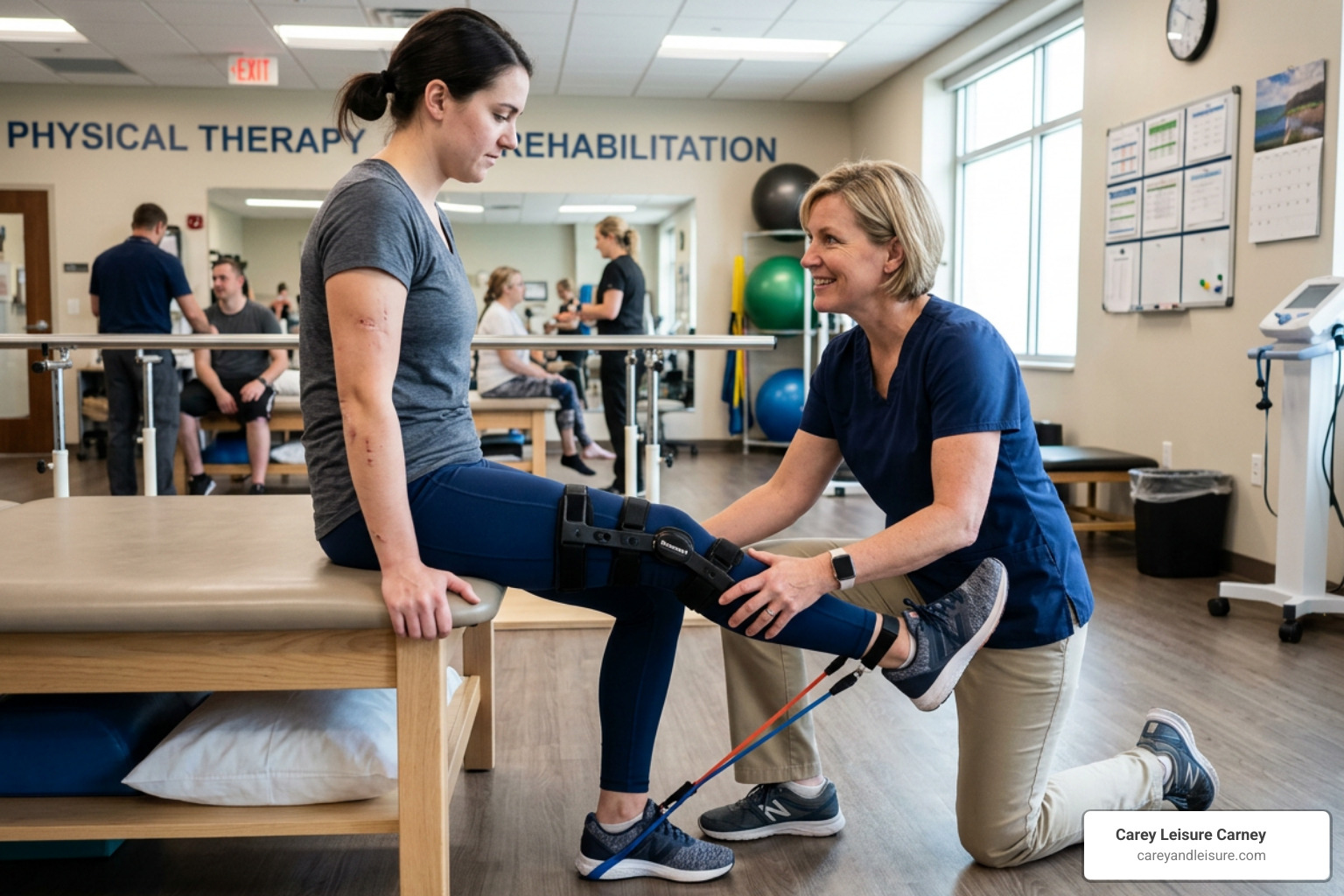
The true measure of a bad car accident is the human cost. When steel and glass give way, the human body absorbs the remaining energy. This leads to severe, life-altering physical and psychological trauma. Understanding the Types of Car Accident Injuries is essential for ensuring that victims receive the comprehensive medical care and legal compensation they deserve.
Physical and Psychological Trauma of Bad Car Accidents
Serious collisions often result in catastrophic injuries that require months or years of medical treatment, surgeries, and rehabilitation:
- Traumatic Brain Injuries (TBIs): A TBI occurs when a sudden blow or jolt to the head damages the brain. Each year, roughly 50,000 people die from TBIs in the U.S., and another 80,000 to 90,000 suffer long-term, permanent disabilities. These injuries can alter personality, memory, cognitive function, and motor skills.
- Spinal Cord Injuries and Paralysis: When the spine is fractured or compressed in a high-impact wreck, the spinal cord can be severed or severely damaged. This often results in permanent loss of sensation and motor function below the site of the injury (paraplegia or quadriplegia).
- Internal Bleeding and Organ Damage: The sheer force of a seatbelt or steering column impact can rupture internal organs like the spleen, liver, or kidneys, causing rapid, life-threatening internal bleeding that requires immediate emergency surgery.
- Whiplash and Severe Soft Tissue Damage: Even at speeds as low as 15 mph, the rapid whip-like motion of the neck can tear muscles, ligaments, and tendons, leading to chronic, long-term pain.
- Amputations and Crush Injuries: In severe side-impacts or pile-ups, limbs can be crushed or pinned within the wreckage, requiring surgical amputation.
- Post-Traumatic Stress Disorder (PTSD): The trauma of a near-death experience on roads like US-19 or I-75 doesn’t end when physical wounds heal. Many survivors suffer from debilitating anxiety, flashbacks, depression, and a severe fear of driving or riding in vehicles.
Demographics and Socioeconomic Risk Factors
The risk of being involved in or dying from a car accident is not distributed equally. Global and national data reveals distinct patterns based on age, gender, and socioeconomic status:
- Age: Road traffic injuries are the leading cause of death globally for children and young adults aged 5 to 29 years. Inexperience, risk-taking behavior, and a higher likelihood of speeding make young drivers particularly vulnerable.
- Gender: Males are statistically much more likely to be involved in fatal crashes. Globally, males are approximately three times more likely to die in road traffic crashes than females, largely due to higher rates of speeding and driving under the influence.
- Socioeconomic Disparities: Locally and globally, lower-income communities experience higher rates of traffic fatalities. This is often due to older vehicles with fewer safety features, poorer road infrastructure, lack of pedestrian walkways, and slower emergency medical response times in rural or underfunded areas.
Historical Trends and the Role of Modern Safety Technology
To understand where we are today in June 2026, we must look at how far we have come—and the challenges we still face. Motor-vehicle safety has evolved dramatically over the last century. However, recent trends show that we cannot take progress for granted. For an in-depth look at this issue, read The Silent Epidemic: Unpacking Fatal Traffic Accidents.
Safety Innovations and Road Design
For decades, vehicle safety focused on surviving a crash (passive safety). Today, the focus has expanded to preventing the crash entirely (active safety) and designing roads that accommodate human error.
- Vehicle Safety Technology: Modern vehicles are engineered with “crumple zones” designed to deform and absorb crash energy before it reaches the passenger cabin. Airbags, electronic stability control, and advanced driver-assistance systems (ADAS)—such as autonomous emergency braking and lane-keep assist—have saved countless lives.
- The Safe System Approach: This modern road safety philosophy accepts that humans make mistakes. Instead of solely blaming the driver, road designers build self-enforcing roads. Features like roundabouts (which eliminate T-bone angles), pedestrian-only zones, and “shared space” designs force drivers to slow down and use environmental cues rather than just signs.
- Emergency Response Times: In a severe crash, the “Golden Hour” is critical. This is the first 60 minutes after trauma occurs. If emergency responders can locate, extricate, and transport a victim to a trauma center within this window, the chances of survival increase exponentially.
Historical Safety Metrics Comparison
While cars are safer than ever, the sheer volume of drivers and rising speeds have created a complex statistical picture. Let’s look at how safety metrics have shifted over the last century:
| Metric | 1913 | 2023 | June 2026 (Est. Trend) |
|---|---|---|---|
| Total Motor-Vehicle Deaths (U.S.) | 4,200 | 44,762 | ~45,200 |
| Population Death Rate (per 100,000) | N/A (Peaked at 30.8 in 1937) | 13.4 | 13.6 |
| Death Rate per 10,000 Registered Vehicles | 33.38 | 1.57 | 1.55 |
| Mileage Death Rate (per 100M Miles Driven) | 18.65 (in 1923) | 1.38 | 1.41 |
Note: While vehicle-based and mileage-based death rates have improved by over 93% since their historical peaks, the raw number of deaths has risen by 966% since 1913 due to massive population growth. More alarmingly, between 2019 and 2023, the U.S. vehicle death rate rose by 11.3%, and the mileage death rate rose by 15.0%, showing a sharp post-pandemic spike in reckless driving.
The Economic and Societal Costs of Catastrophic Crashes
A severe car accident does not just impact the people inside the vehicles; it sends financial and emotional shockwaves through families, communities, and the economy. For families dealing with a sudden loss, understanding the legal and emotional steps is covered in The Grim Reality: A Guide to Fatal Accidents and Their Aftermath.
On a broader scale, road traffic injuries cost most countries approximately 3% of their gross domestic product (GDP). The financial consequences of a major crash include:
- Direct Medical Costs: Emergency room care, intensive care unit (ICU) stays, surgeries, diagnostic imaging, prescription medications, and years of physical therapy can easily exceed hundreds of thousands of dollars.
- Lost Productivity: When a victim is temporarily or permanently disabled, they lose their earning capacity. This impacts their family’s financial stability and deprives the workforce of their skills and contributions.
- Property Damage: Catastrophic crashes often result in the total loss of multiple vehicles, damage to public infrastructure (like guardrails, traffic lights, and utility poles), and damage to nearby businesses or homes.
- Rising Insurance Premiums: High rates of severe crashes in specific Florida regions lead to increased auto insurance premiums for all drivers in those zip codes, adding to the collective financial burden.
Frequently Asked Questions About Severe Car Crashes
What should I do immediately after a severe car accident in Florida?
Your actions in the minutes and hours following a crash are critical for both your physical recovery and your future legal claim. We recommend following these steps:
- Prioritize Safety: If possible, move your vehicle out of the flow of traffic. Turn on your hazard lights.
- Call 911 immediately: Request both police and emergency medical services. A formal police report is vital evidence.
- Gather Evidence: If you are physically able, take photos and videos of the crash scene, vehicle damage, skid marks, road conditions, and your injuries. Collect contact information from witnesses.
- Seek Immediate Medical Care: Even if you feel fine, adrenaline can mask severe injuries like internal bleeding or brain trauma. Go to an emergency room or urgent care right away.
- Consult a Lawyer: Do not speak to the other driver’s insurance company or accept any quick settlement offers before consulting an attorney. For a step-by-step guide, read our article on What to Do After a Car Accident in Florida.
How is fault determined in a multi-vehicle pile-up?
Determining fault in a chain-reaction crash is incredibly complex. These accidents often involve multiple impacts, poor weather conditions, and conflicting driver statements.
To establish liability, we work with accident reconstruction experts who analyze vehicle black box data, skid marks, impact angles, and physical debris.
Florida operates under a modified comparative negligence system. This means that multiple drivers can share a percentage of the fault. Your total compensation will be reduced by your percentage of fault, and if you are found to be more than 50% responsible for the crash, you cannot recover damages from other parties. This makes having an experienced legal team on your side absolutely vital.
When should I contact a lawyer after a serious crash?
You should contact a personal injury lawyer as soon as possible. In Florida, the statute of limitations for personal injury claims is strict, and waiting too long can result in lost evidence, faded witness memories, and missed filing deadlines.
An attorney will handle all communication with insurance companies, protect you from lowball settlement tactics, and build a strong case while you focus on healing. To learn more about how different injury claims are handled, check out From Car Crashes to Slip and Falls: The A-Z of Personal Injury Cases.
Conclusion
A bad car accident can turn your world upside down in a fraction of a second. The physical pain, emotional trauma, and mounting financial pressures can feel completely overwhelming. During these difficult times, you do not have to carry the burden alone.
At Carey Leisure Carney, we bring over 100 years of combined legal experience to your fight. As a family-run firm based in Clearwater, Florida, we serve clients across Largo, New Port Richey, Spring Hill, St. Petersburg, Trinity, and Wesley Chapel.
Our unique advantage is our commitment to personal, direct service. Our firm features Board-Certified Civil Trial Attorneys—an elite distinction held by less than 2% of lawyers in Florida. When you work with us, you get direct access to your attorney, not just a case manager. We prepare every case as if it is going to trial, which forces insurance companies to take your claim seriously.
If you have lost a loved one due to someone else’s negligence, we are here to help you seek justice and hold the responsible parties accountable. Contact our Wrongful Death Attorney team today for a free, compassionate consultation, and let us help you begin the path to recovery.