Florida Alcohol Serving Laws: The Rules That Matter Most
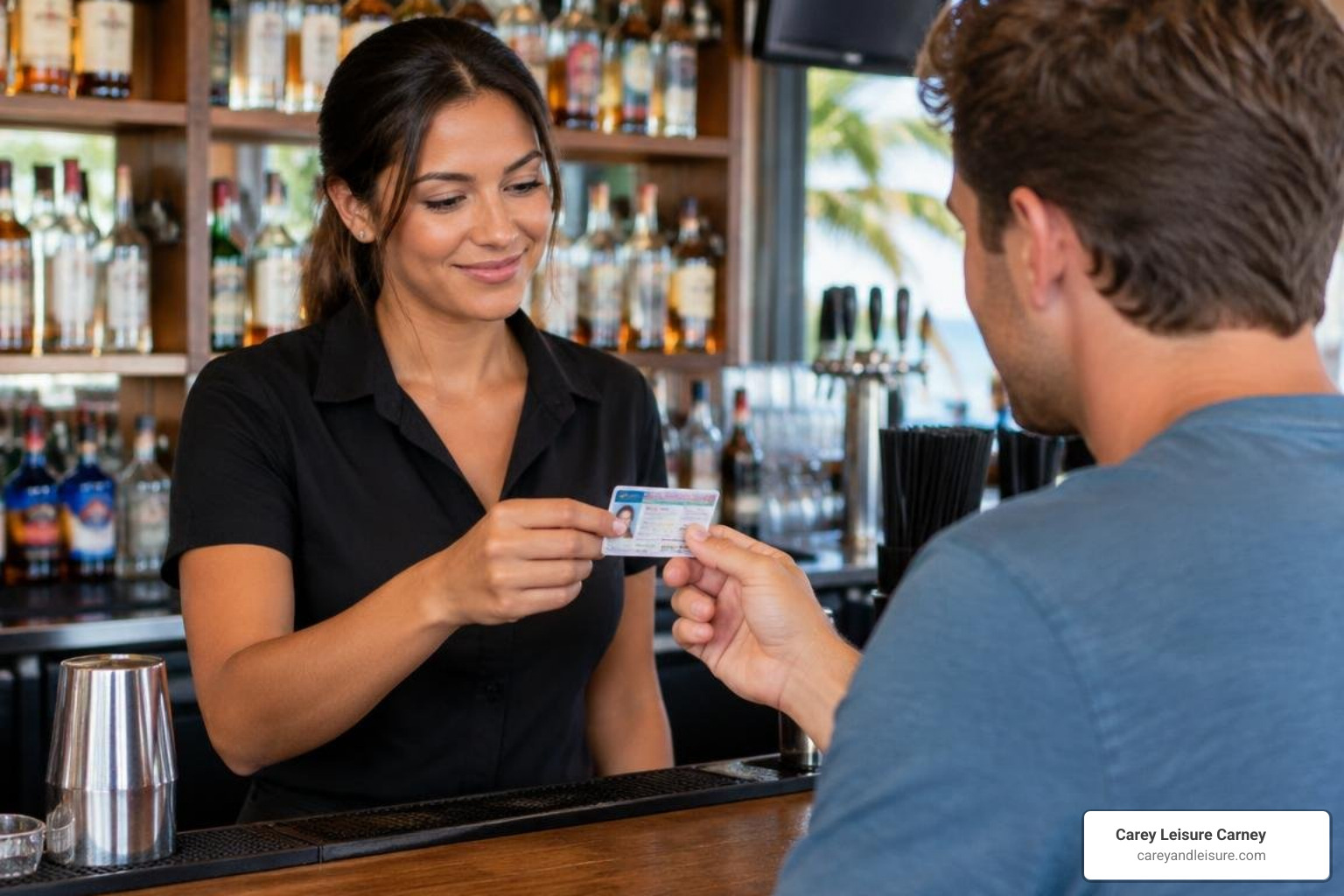
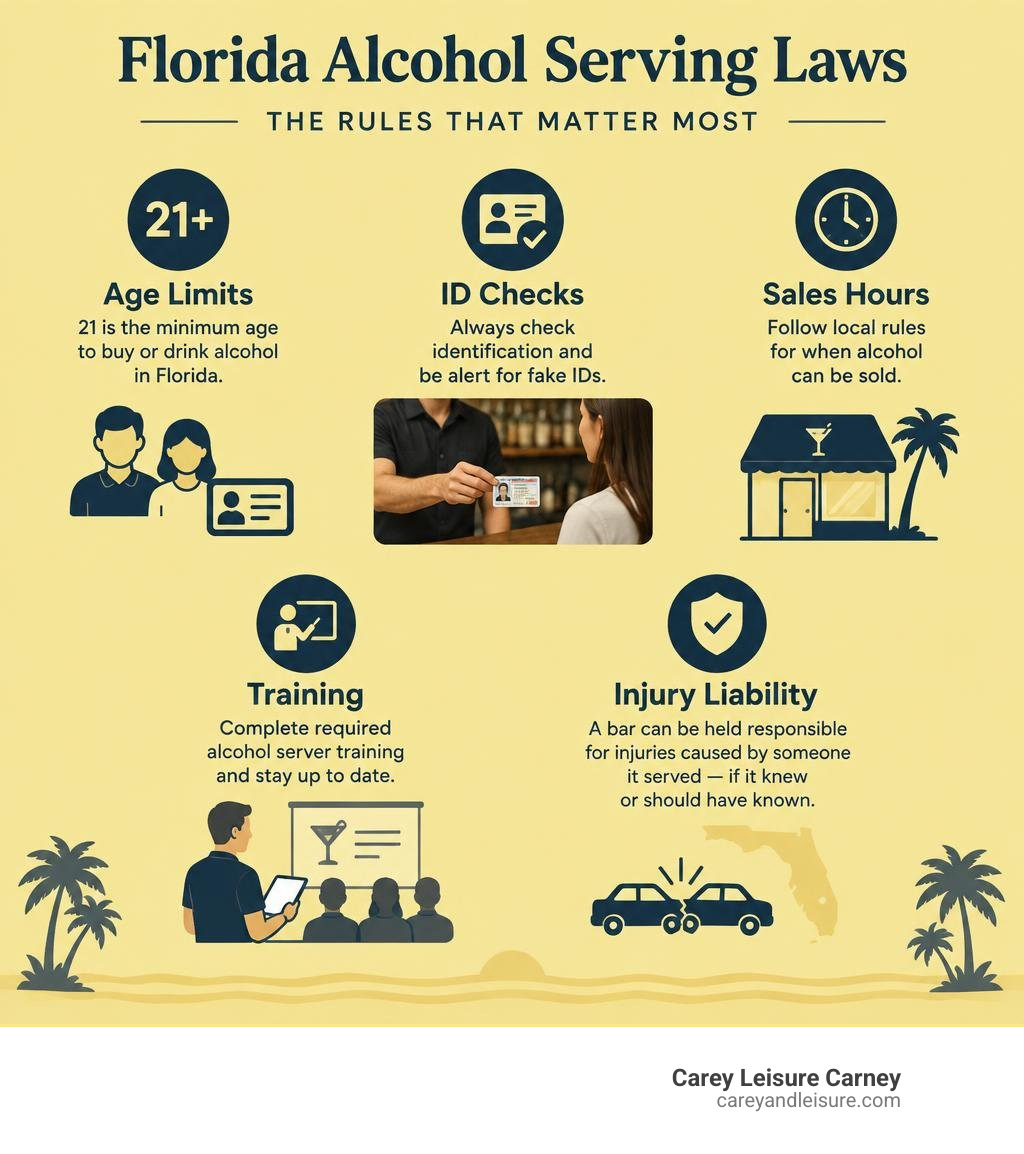
Florida’s alcohol-serving laws set 21 as the minimum age to buy or drink alcohol. Workers who are at least 18 may generally sell, prepare, or serve it, but they cannot drink it. Businesses must check age carefully, follow local sales hours, and understand that serving a minor can bring criminal penalties. Florida also limits when an alcohol vendor can be held responsible for injuries caused by someone it served.
Those rules matter to both businesses and families. If an impaired driver causes a crash near Clearwater, the question is not simply whether a bar served that driver. Who was served, and what the bar knew, may determine whether the bar can be held liable.
I’m Thomas W. Carey, a board-certified civil trial lawyer whose work with florida alcohol serving laws is grounded in decades of representing people harmed by DUI crashes. My wife was killed by a drunk driver, and I have also served in leadership roles with Mothers Against Drunk Driving.
Florida alcohol serving laws vocab to learn:
Age Restrictions and Employee Requirements Under Florida Alcohol Serving Laws
Florida’s Beverage Law, enforced by the Division of Alcoholic Beverages and Tobacco (ABT) within the Department of Business and Professional Regulation (DBPR), governs every drop of alcohol poured or sold across the state. Understanding how state statutes regulate both consumers and hospitality staff is essential for keeping communities safe. For a broader look at consumer rules, review our practical guide to Sunshine State drinking rules.
Minimum Legal Drinking Age and Minor Possession Rules
In Florida, the legal age to purchase or consume alcoholic beverages is strictly 21. Underage possession is taken seriously by law enforcement and state prosecutors:
- First Offense: A person under 21 convicted of possessing alcoholic beverages commits a misdemeanor of the second degree, facing penalties that include up to 60 days in jail and driver’s license suspension.
- Subsequent Offenses: A repeat conviction elevates the offense to a first-degree misdemeanor, carrying penalties of up to one year of imprisonment.
- Age Falsification: Minors who misrepresent their age or use altered identification to purchase alcohol are also guilty of a second-degree misdemeanor.
- Juvenile Delinquency: Offenders under the age of 17 fall under the jurisdiction of the juvenile delinquency court system.
Florida law includes a vital public safety protection: Section 562.112 provides medical emergency immunity. Anyone who calls 911 in good faith to seek medical assistance for an under-21 individual experiencing an alcohol overdose is shielded from arrest, charges, or prosecution for minor possession or serving violations.
Age Thresholds Under Florida Alcohol Serving Laws for Servers and Bartenders
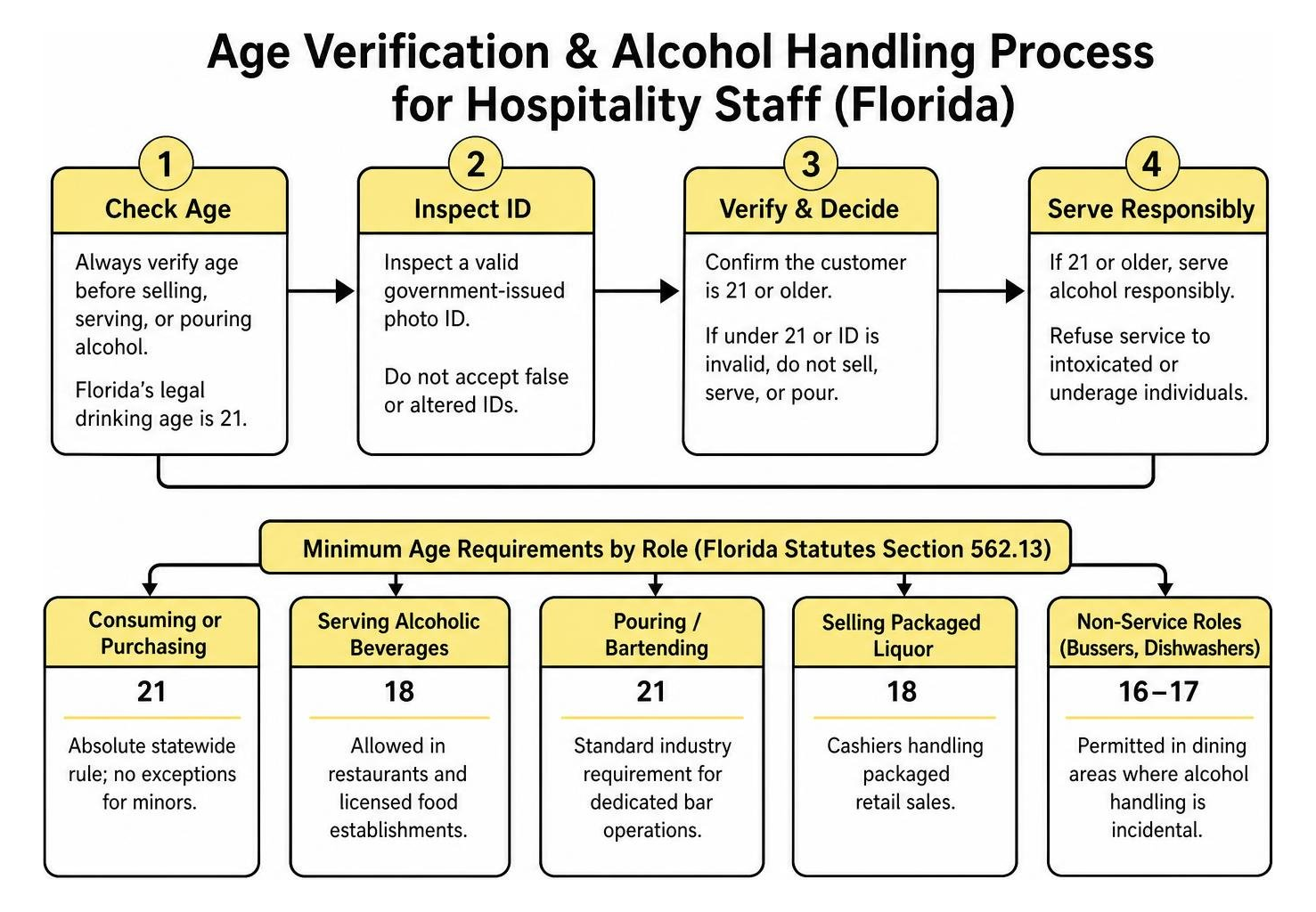
While an individual cannot legally buy a drink until their 21st birthday, Florida law allows younger staff members to work in the hospitality industry under strict guidelines. The baseline statutory framework is outlined in Florida Statutes Section 562.13.
According to the state’s minimum age requirement guidelines for serving alcoholic beverages, employees must be at least 18 years old to sell, prepare, or serve alcoholic beverages in licensed establishments. However, establishments that focus primarily on pouring distilled spirits often require bartenders to be at least 21 years old.
| Role / Activity | Minimum Age Required | Statutory Condition / Exception |
|---|---|---|
| Consuming or Purchasing | 21 | Absolute statewide rule; no exceptions for minors |
| Serving Alcoholic Beverages | 18 | Allowed in restaurants and licensed food establishments (F.S. 562.13) |
| Pouring / Bartending | 21 (or 18 in specific dining venues) | Standard industry requirement for dedicated bar operations |
| Selling Packaged Liquor | 18 | Cashiers handling packaged retail sales |
| Non-Service Roles (Bussers, Dishwashers) | 16-17 | Permitted in dining areas where alcohol handling is incidental |
Penalties for Selling to Minors and Licensee Legal Defenses
Selling or furnishing alcohol to an underage patron threatens public safety and exposes both the server and the business to significant legal trouble. Learn more about who is legally responsible when a minor is served alcohol in Florida.
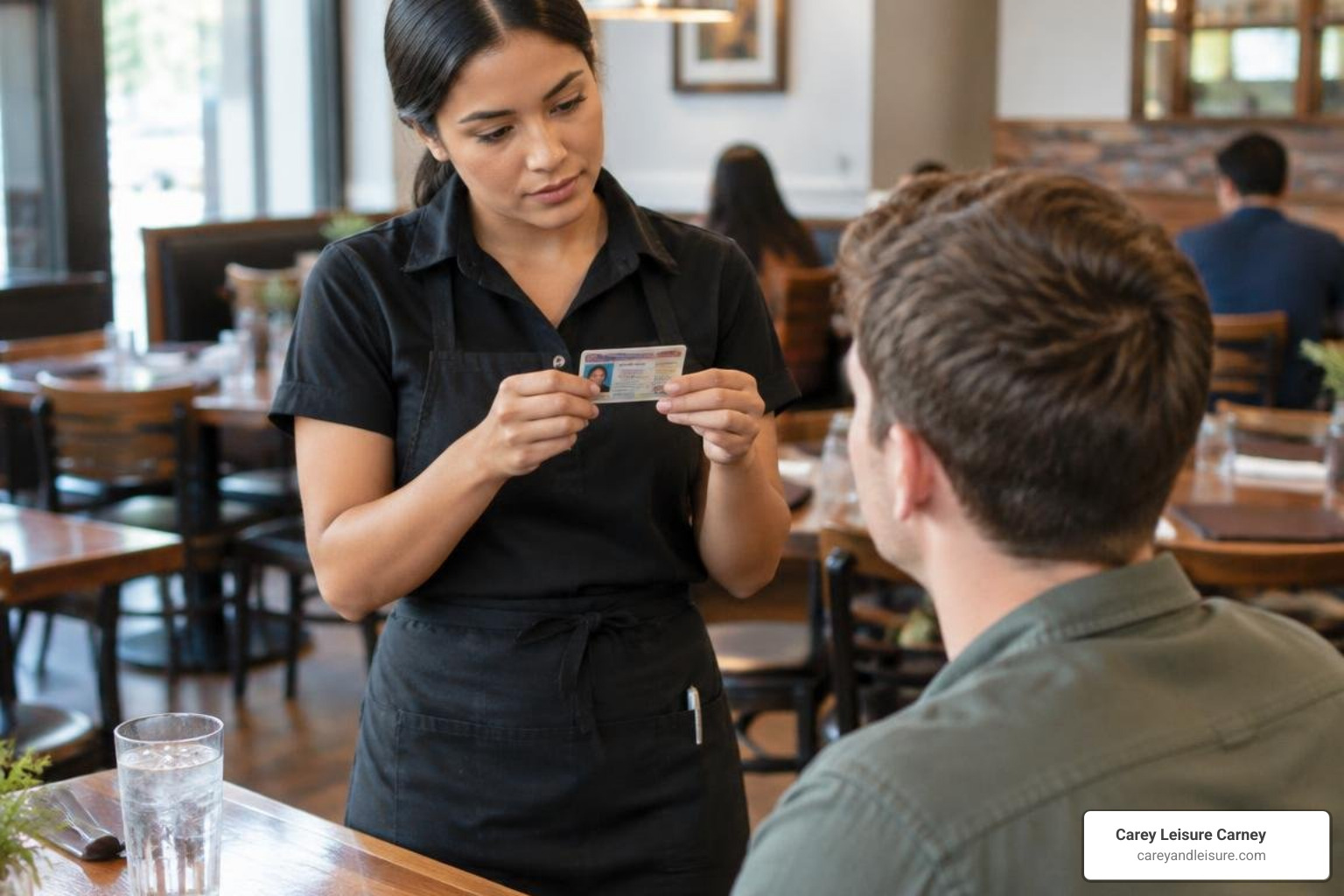
Criminal Penalties and the Christopher Fugate Act
Under Chapter 562 Section 11 of the Florida Statutes, selling, giving, or serving alcoholic beverages to a person under 21 years of age carries severe criminal classifications:
- First Violation: An employee or licensee who serves a minor commits a misdemeanor of the second degree, punishable by up to 60 days in jail and fines up to $5,000.
- Repeat Violations: A second or subsequent violation occurring within one year of a prior conviction escalates to a misdemeanor of the first degree.
- The Christopher Fugate Act: Under this specific statutory provision, a licensee who provides, gives, or serves alcohol to an underage employee on the premises commits a misdemeanor of the first degree, punishable by up to one year of imprisonment.
Licensee Defenses Under Florida Alcohol Serving Laws
Florida law provides a complete defense to a licensee or employee charged with serving a minor, provided specific statutory conditions are met. Under Section 562.11, the defense applies if:
- The underage buyer falsely represented their age in writing or presented falsified evidence of age.
- The appearance of the buyer was such that an ordinarily prudent person would believe them to be at least 21 years old.
- The licensee or server performed a good-faith inspection of an official, government-issued document and reasonably relied on it.
To qualify for this protection, establishments must train staff to recognize acceptable forms of identification. Valid credentials include:
- A valid state driver’s license with a photograph.
- A state-issued identification card issued by Florida or another state.
- A valid United States passport or foreign passport with a photograph.
- A valid United States Uniformed Services identification card.
Electronic ID scanners and written logbooks provide additional documentation to prove that a good-faith inspection occurred before service.
The Florida Responsible Vendor Program and Compliance Guidelines
The state established the Florida Responsible Vendor Act (Florida Statutes § 561.701–561.706) to encourage venues to adopt rigorous alcohol service standards. Further administrative guidance is available through the ABT’s regulatory and compliance resources.
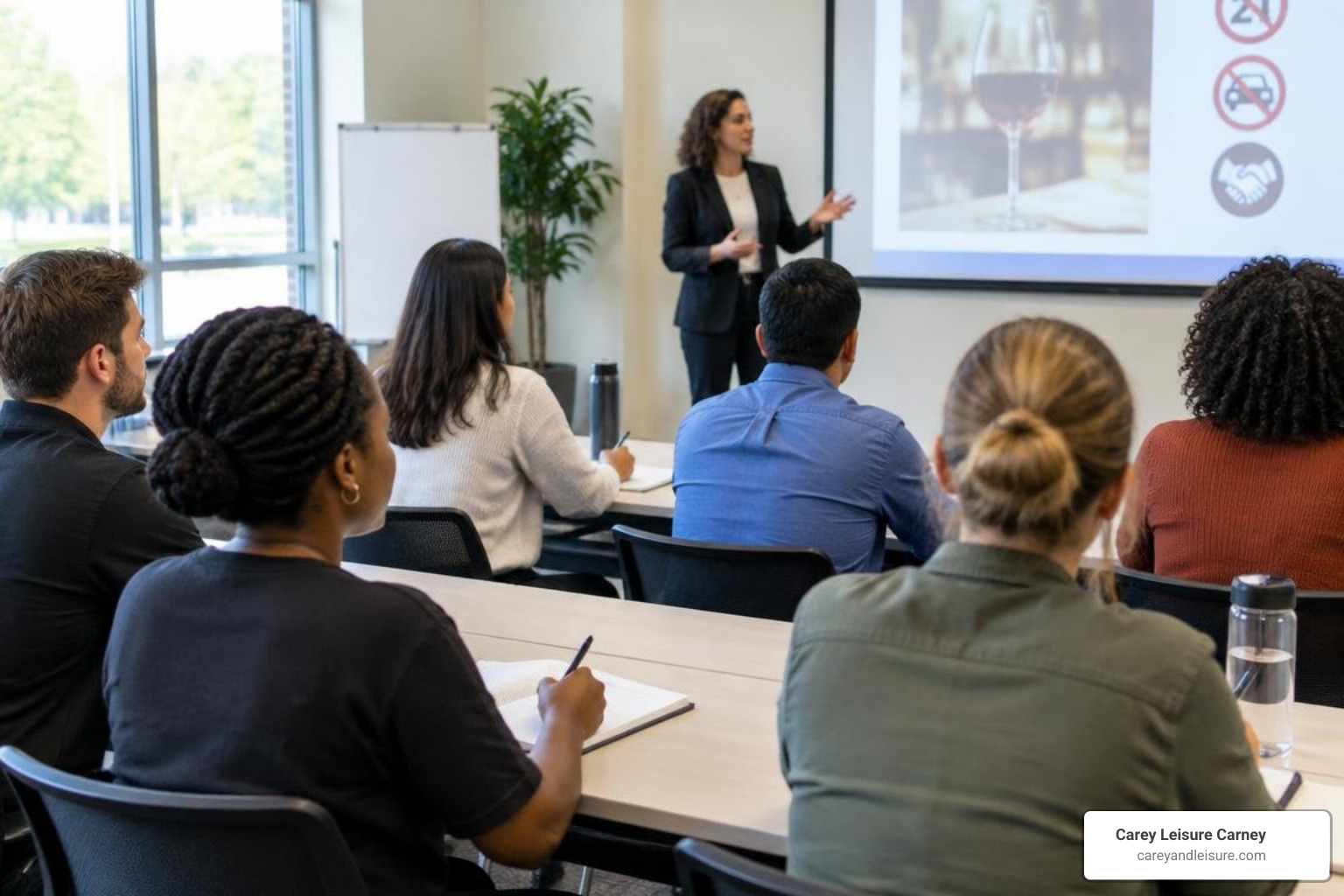
Voluntary Training Requirements and Operational Timelines
While participating in the Responsible Vendor Program (RVP) is voluntary, qualifying requires businesses to meet clear administrative benchmarks outlined in the Florida Statutes governing responsible vendors:
- Server Onboarding: Non-managerial employees who handle, sell, or serve alcohol must complete an approved training course within 30 days of initial employment.
- Manager Training: Management personnel must complete specialized managerial training within 15 days of commencing employment.
- Refresher Courses: Staff must attend quarterly refresher meetings to review age-verification protocols and intoxication signs.
- Zero-Tolerance Drug Policy: The vendor must enforce a written policy mandating immediate dismissal of any employee using illegal controlled substances on the premises.
- Mandatory Customer Notices: Signs must be clearly posted informing patrons that illegal drug use, trafficking, or underage alcohol purchases will result in immediate ejection and criminal prosecution.
- Meticulous Recordkeeping: Establishments must maintain detailed training logs and signed employee policy acknowledgments for all staff members.
Mitigation Benefits and Administrative License Protection
Qualifying as a Responsible Vendor provides substantial legal safeguards. If an employee unlawfully sells alcohol to a minor, the state will not suspend or revoke the vendor’s alcoholic beverage license, provided the vendor had no direct knowledge of the violation and the employee had completed approved training before the incident. Furthermore, certified businesses frequently secure discounted liquor liability insurance premiums.
Operational Service Hours, Delivery Regulations, and Special Exemptions
Licensed establishments must comply with operating hours and delivery boundaries set by state and local authorities.
Standard Serving Hours and Local County Ordinances
Florida’s default state law permits the sale and service of alcoholic beverages from 7:00 AM until midnight, Monday through Sunday. However, state law explicitly authorizes local county and municipal governments to expand or restrict these hours.
Local ordinances create significant regional variations:
- Across Pinellas County (including Clearwater, Largo, and St. Petersburg), local rules allow sales until 2:00 AM or 3:00 AM depending on municipal permits.
- Pasco County communities like New Port Richey, Trinity, and Wesley Chapel operate under specific county cutoffs.
- In Hernando County, including Spring Hill, local ordinances dictate Sunday morning purchase windows.
To understand local variations across our region, consult our breakdown of county-specific alcohol regulations. Additionally, during declared emergencies such as hurricanes, the Governor possesses emergency authority to temporarily restrict alcohol sales to preserve public safety.
Delivery Requirements and Culinary Education Exceptions
Florida law permits licensed vendors to deliver alcoholic beverages directly to consumers, provided the delivery driver verifies government-issued identification proving the recipient is 21 or older at the point of handoff. Alcohol cannot be delivered to prohibited locations, such as schools or public grounds, and containers must remain sealed throughout transit.
Under Section 562.11(4), Florida also provides a specific exception for post-secondary culinary and hospitality courses. Students aged 18 and older may taste and evaluate alcoholic beverages as part of an approved educational curriculum, provided the student spits the beverage out and the tasting is supervised by an instructor who is at least 21 years old.
Dram Shop Liability and Civil Responsibility for Over-Service
When bars and restaurants disregard serving laws, the results on our roads can be catastrophic. Understanding the civil liability framework for commercial vendors is critical for injury victims.
The Habitual Addiction and Willful Underage Sale Standards
Unlike many states with broad dram shop laws, Florida Statutes Section 768.125 severely limits commercial liability. Under Florida law, a vendor cannot be held liable for injuries caused by an intoxicated adult customer unless one of two strict exceptions applies:
- Willful and Unlawful Service to a Minor: The vendor knowingly and unlawfully served, gave, or furnished alcoholic beverages to an individual under the age of 21.
- Service to a Habitually Addicted Person: The vendor knowingly served a person who is habitually addicted to alcohol.
In habitual addiction cases, courts generally require proof that the establishment had direct knowledge of the patron’s addiction, such as formal written notice from a family member or clear, ongoing operational recognition of the patron’s condition. For a detailed legal breakdown, see our guide on establishing whether bars are liable for drunk drivers and our comprehensive overview of litigating Florida dram shop claims.
Civil Consequences and Personal Injury Claims
When an establishment unlawfully serves a minor or a known habitually addicted patron who then causes an accident, the vendor can be named alongside the drunk driver in a personal injury or wrongful death lawsuit. Victims harmed by impaired drivers near Clearwater, St. Petersburg, Largo, New Port Richey, Trinity, Wesley Chapel, or Spring Hill face massive medical expenses and life-altering losses.
Holding negligent establishments accountable prevents future community harm and ensures victims have access to full compensation. Read our resource on recovering compensation after being hit by a drunk driver to understand the legal process.
Frequently Asked Questions About Florida Alcohol Regulations
What is the minimum age to pour versus serve drinks in Florida?
Under Florida Statutes Section 562.13, employees who are at least 18 years old can legally serve food and alcoholic beverages in restaurants and dining rooms. However, dedicated bartending positions that involve pouring drinks typically require an individual to be at least 21 years of age, depending on the establishment’s licensing classification and local municipal ordinances.
What are the standard legal hours for alcohol service in Florida?
The default statewide hours established under Florida’s Beverage Law allow alcohol sales from 7:00 AM until midnight daily. However, local county and city governments hold the legal authority to extend or limit those hours. In Pinellas, Pasco, and Hernando counties, local ordinances generally permit sales to continue until 2:00 AM or 3:00 AM for permitted licensees.
Can a bar be held liable if an intoxicated customer causes an accident?
Under Florida Statutes Section 768.125, an establishment is generally protected from civil liability for serving an adult patron who becomes intoxicated. A bar can only be held civilly liable for resulting damages if it willfully and unlawfully served a minor under age 21 or knowingly served an individual habitually addicted to alcohol.
Conclusion
Understanding Florida’s alcohol serving laws is vital for both hospitality professionals and the public. These statutes establish clear boundaries for employee ages, operating hours, criminal penalties for underage sales, and civil liability standards under state dram shop rules. When vendors follow these guidelines, our roads and neighborhoods remain safer for everyone.
At Carey Leisure Carney, we have spent decades advocating for injured victims and families affected by impaired driving crashes throughout Clearwater, Largo, St. Petersburg, New Port Richey, Trinity, Wesley Chapel, and Spring Hill. Our Board-Certified civil trial attorneys bring over 100 years of combined trial experience, offering direct attorney access and personalized legal guidance to our clients.
If you or a loved one has suffered injuries due to an alcohol-related crash or negligent service, reach out to our team to discuss your rights. For additional statutory background, explore our comprehensive Florida alcohol laws resource.