

The Blame Game: Unpacking Negligence in Rideshare Accidents
Understanding Your Rights After a Rideshare Crash
A ride share negligence attorney specializes in helping passengers and third parties injured in accidents involving app-based transportation services. These cases are uniquely complex because they involve multiple insurance policies, independent contractor drivers, and platform liability questions that don’t exist in traditional car accidents.
Quick Answer: What Does a Ride Share Negligence Attorney Do?
- Identifies all liable parties – the driver, the rideshare platform, other motorists, or vehicle manufacturers
- Steers tiered insurance coverage – personal policies, contingent platform coverage, and full commercial policies
- Proves negligence – through evidence gathering, accident reconstruction, and expert testimony
- Maximizes your compensation – for medical bills, lost wages, pain and suffering, and future care needs
- Protects your claim – by meeting strict filing deadlines and handling all negotiations
The growth of rideshare services has been staggering. In 2023 alone, more than 3.1 billion rideshare trips were taken in the United States, with over 2 million drivers on the road. But this convenience comes at a cost: an estimated 10,000 to 15,000 rideshare-related car accidents occur annually in the U.S., many caused by distracted driving as drivers interact with apps and GPS systems.
When a rideshare accident happens, determining who pays for your injuries becomes complicated fast. Was the driver logged into the app? Had they accepted a ride request? Were they transporting a passenger? Each scenario triggers different insurance policies with vastly different coverage limits—ranging from the driver’s personal auto policy to a platform’s $1 million commercial policy.
As Thomas W. Carey, a board-certified civil trial lawyer with over 35 years of experience in personal injury law, I’ve guided thousands of injury victims through complex insurance and liability questions, including those involving rideshare accidents. My firm, Carey Leisure Carney, focuses exclusively on helping injured Floridians secure fair compensation when negligence disrupts their lives.
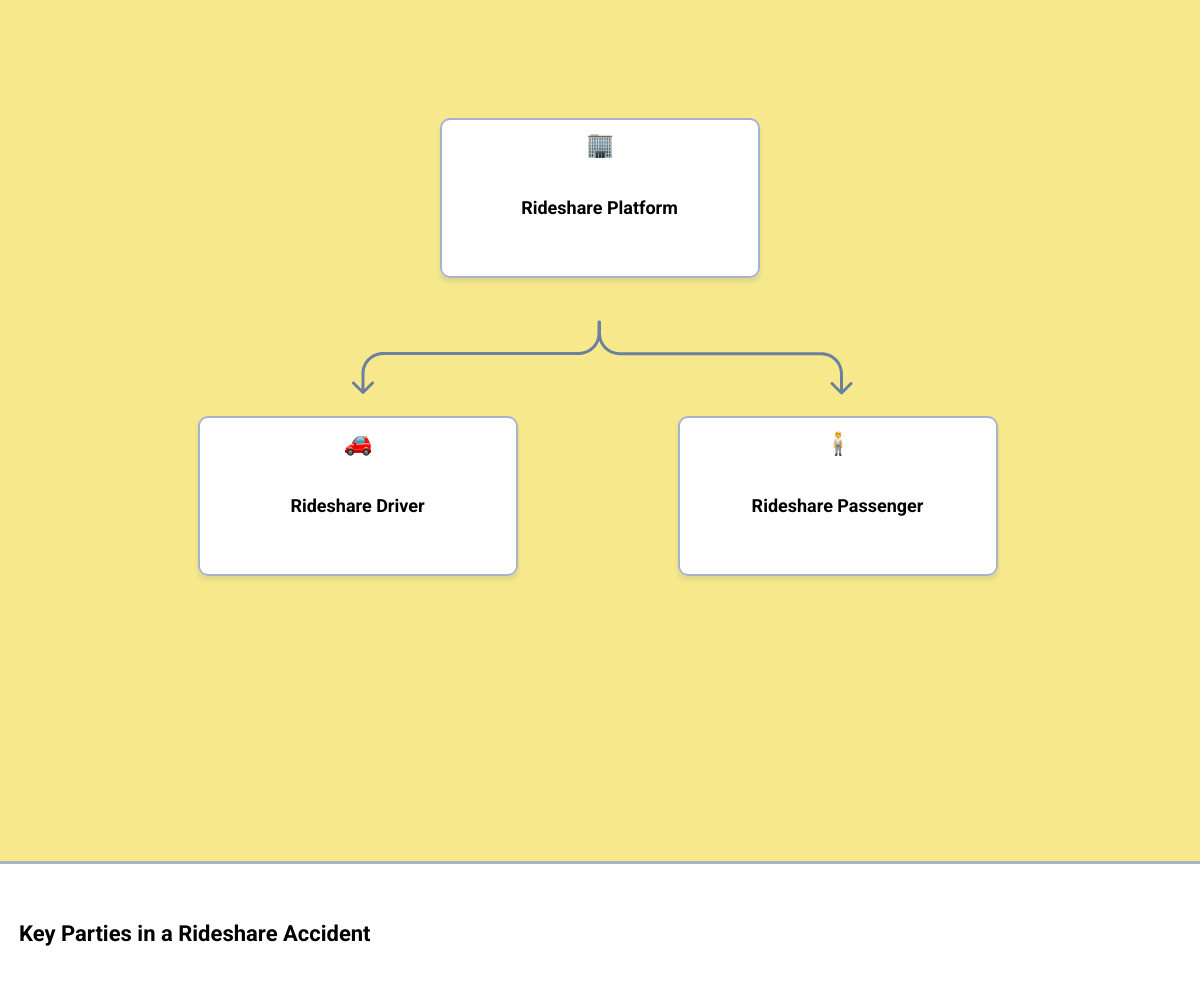
Basic ride share negligence attorney vocab:
Who is At Fault? Determining Liability in a Rideshare Crash
Navigating the aftermath of a rideshare accident can feel like playing a game of “hot potato” with liability. Everyone wants to pass the blame, but when you’re injured, you need to know who is truly responsible. In a rideshare crash, fault isn’t always clear-cut. It could rest with the rideshare driver, the rideshare platform, another motorist, or even a third party like a vehicle manufacturer. Our goal as your legal team is to thoroughly investigate every angle to prove negligence and secure the compensation you deserve.
The core of any personal injury claim, especially in a rideshare accident, lies in proving negligence. Negligence occurs when a party fails to exercise reasonable care, and that failure directly causes harm. For instance, a distracted rideshare driver who swerves and causes a collision could be deemed negligent. As the research points out, “Proving Negligence in an Olathe Rideshare Crash” involves demonstrating that the driver, rideshare company, or another party failed to exercise reasonable care, leading to the accident. We apply this principle across Florida, carefully gathering evidence to build a strong case.
Common Causes of Rideshare Accidents
While rideshare services offer unparalleled convenience, they also introduce unique factors that can contribute to accidents. We’ve seen countless cases arising from these specific circumstances:
- Driver Distraction: This is perhaps the most prevalent cause. Rideshare drivers are constantly interacting with their apps—accepting rides, navigating with GPS, or even communicating with passengers. This constant screen time takes their eyes and attention off the road. A significant percentage of rideshare accidents involve driver distraction, such as interacting with the rideshare app or GPS.
- App Interaction and GPS Navigation: The very tools designed to help rideshare drivers can become dangerous distractions. Fumbling with a phone, inputting an address, or checking notifications can lead to momentary lapses in attention that result in severe collisions.
- Driver Fatigue: Many rideshare drivers work long hours to maximize their earnings. Long shifts can lead to fatigue, which significantly impairs judgment and reaction times, much like drunk driving. As a study by AAA highlighted, “Long shifts can make rideshare drivers tired. When rideshare drivers are tired, their reactions are slower, and their decision-making is compromised.” This is a serious concern, particularly for passengers trusting their safety to these drivers.
- Speeding and Traffic Violations: The pressure to complete more rides or get to a passenger quickly can tempt drivers to speed or disregard traffic laws. This aggressive driving behavior increases the risk of accidents.
- Inadequate Vehicle Maintenance: While rideshare platforms have some basic vehicle requirements, the responsibility for ongoing maintenance often falls solely on the independent contractor driver. Neglecting routine checks, like tire pressure or brake inspections, can lead to mechanical failures and accidents.
- Other Motorists: Sometimes, the rideshare driver and platform are blameless, and another driver on the road causes the accident. In such cases, that driver’s policy applies via a third-party car insurance claim against their car insurance. When the negligence or misconduct of other drivers contributes to a rideshare accident, those drivers may be held liable for their actions under established principles of legal liability.
- Comparative Negligence: Florida follows a pure comparative negligence rule. This means that if you, as the injured party, are found to be partially at fault for the accident, your compensation will be reduced by your percentage of fault. For example, if you are awarded $100,000 but found 10% at fault, you would receive $90,000. This is why a thorough investigation of fault is critical. Comparative Negligence
The Independent Contractor Dilemma
One of the thorniest issues in rideshare accident claims is the classification of drivers as “independent contractors.” Rideshare platforms vehemently argue that their drivers are not employees, attempting to shield themselves from direct liability for a driver’s negligent actions. This distinction has profound legal implications.
- Driver Classification: If a driver were an employee, the rideshare platform could be held “vicariously liable” for their actions under a legal doctrine called respondeat superior. However, as independent contractors, platforms argue they are not responsible for how their drivers operate their personal vehicles.
- Vicarious Liability: This legal concept holds an employer responsible for the actions of their employees. By classifying drivers as independent contractors, rideshare companies try to avoid this responsibility, making it harder for injured parties to directly sue the platform.
- Negligent Hiring or Supervision: Despite the independent contractor status, a rideshare platform can still be held liable if we can prove they were negligent in hiring, retaining, or supervising their drivers. This could involve failing to conduct adequate background checks, ignoring a driver’s history of traffic violations, or not responding appropriately to passenger complaints. Rideshare companies do conduct background checks, including driving history and criminal records, but the thoroughness and criteria can vary.
- Platform Responsibility: Even if drivers are independent contractors, platforms still have a responsibility to ensure a safe environment for their users. This can extend to the technology they provide, the safety features in their apps, and their policies regarding driver behavior.
- Background Checks: While platforms perform background checks, the effectiveness and ongoing monitoring are often debated. If a platform’s vetting process is found to be substandard, and that directly led to a preventable accident, we may be able to argue for platform liability.
Navigating this “independent contractor dilemma” requires a deep understanding of personal injury law and how it applies to evolving rideshare regulations. This is precisely why having a dedicated ride share negligence attorney is crucial. We know how to challenge these defenses and pursue all available avenues for compensation. For more insights into why legal representation is essential in complex personal injury matters, explore our page on More info about why you need a personal injury lawyer.
The Complex Web of Rideshare Insurance Coverage
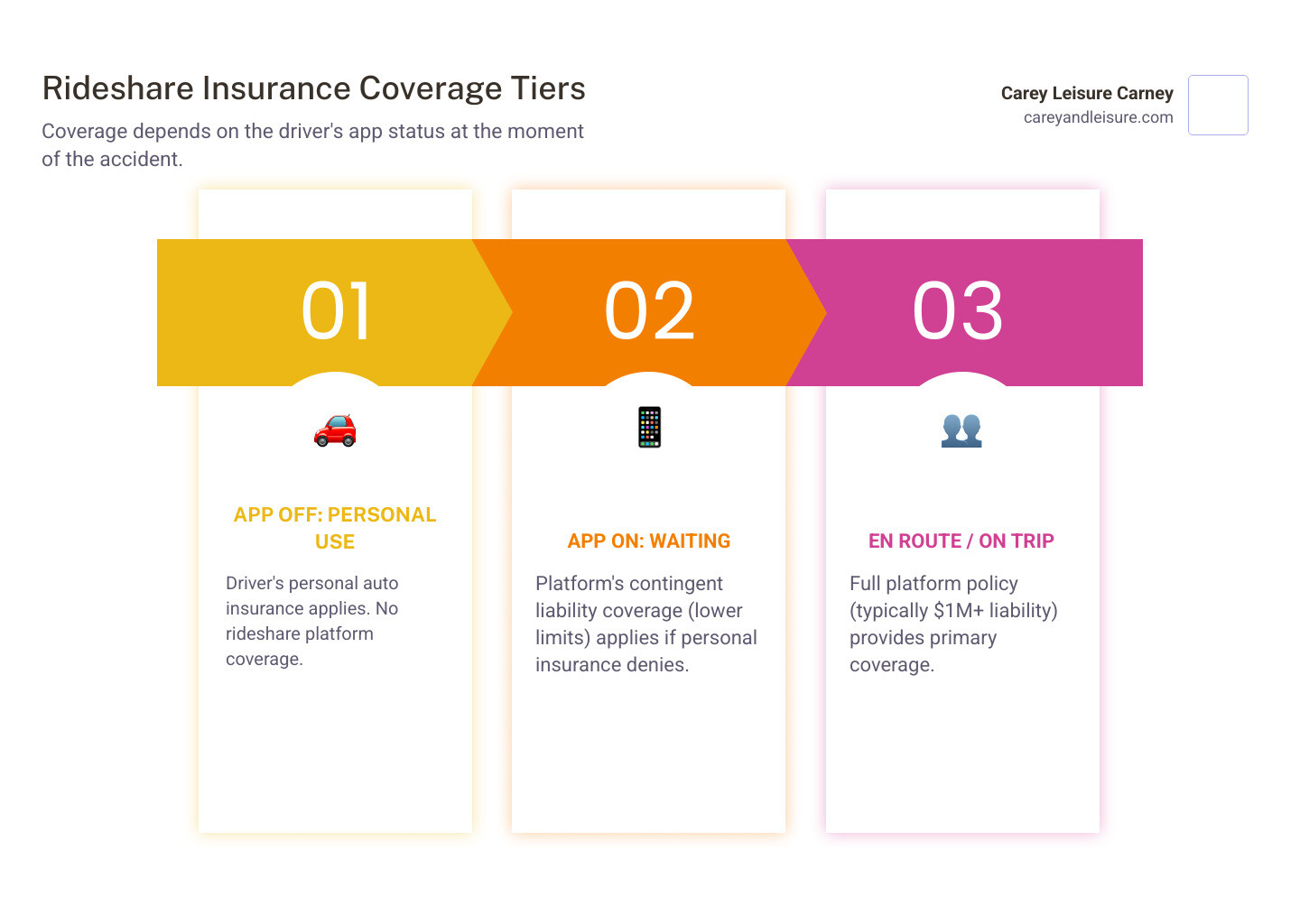
Understanding rideshare insurance is like peeling an onion – there are many layers, and it can make you cry if you’re not careful! Unlike traditional car accidents where you typically deal with one or two personal auto insurance policies, rideshare accidents involve a tiered system of coverage that depends heavily on the driver’s status at the exact moment of the accident. This complexity is one of the main reasons why victims need an experienced ride share negligence attorney on their side.
Florida law, specifically Florida Statute 627.748 (1)(e), defines rideshare services as Transportation Network Companies (TNCs) and mandates specific insurance requirements. Both the rideshare driver and the TNC (like Uber or Lyft) are required to carry insurance. The TNC must carry a minimum of $1,000,000 in liability insurance to cover negligent acts of their drivers when certain conditions are met. The driver must also maintain their own liability insurance.
Driver Logged Off (Personal Use)
If a rideshare driver is not logged into the app and is using their vehicle for personal reasons, the situation is treated like any other car accident.
- Driver’s Personal Insurance: In this scenario, only the driver’s personal auto insurance policy applies. The rideshare platform’s insurance offers no coverage.
- No Platform Coverage: The platform’s commercial insurance policies are not active when the driver is off-duty.
- Standard Car Accident Claim: Your claim would proceed against the at-fault driver’s personal insurance, just as it would in a regular car collision. For more information on navigating typical auto accident claims, visit our page on More info about auto accident attorneys.
Driver Logged In, Waiting for a Request
This is where things start to get a bit more nuanced. If the driver is logged into the app, actively waiting for a ride request, but hasn’t yet accepted one, a different layer of coverage kicks in.
- Contingent Liability Coverage: When a driver is logged in and waiting, the rideshare platform’s contingent liability coverage applies. This coverage acts as a secondary layer if the driver’s personal insurance denies the claim or is insufficient.
- Lower Policy Limits: While this provides some protection, the policy limits are typically lower than when a driver is actively on a trip. In Florida, TNC drivers must maintain liability insurance paying up to $50,000 for accidental injuries per person per accident, up to $100,000 per accident, and up to $25,000 for property damage during this “waiting” period.
- Platform’s Supplemental Policy: This supplemental policy from the platform steps in to provide coverage when the driver’s personal policy might not. Understanding how these policies interact is crucial, and it’s a key area where an experienced ride share negligence attorney can help. The role of insurance companies in a car accident can be quite complicated, and this is especially true in rideshare cases. The Role of Insurance Companies in a Car Accident
Driver En Route to Pick Up or Transporting a Passenger
This is the phase where the most robust insurance coverage from the rideshare platform typically applies.
- Full Platform Policy: Once a driver has accepted a ride request and is either en route to pick up a passenger or is actively transporting a passenger, the rideshare platform’s full commercial liability policy takes effect.
- High Liability Limits: This policy usually offers substantial coverage, often up to $1 million or more for personal injury and property damage. This is the highest level of protection available to passengers and third parties. In Florida, TNCs are required to carry a minimum of $1,000,000 in liability insurance for negligent acts resulting in passenger injury or death.
- Primary Coverage: This $1,000,000 insurance policy is only in effect while you are a passenger in the rideshare vehicle and your driver is actively logged into the company’s system. It acts as the primary coverage, meaning it’s the first policy to pay out for damages if the driver is at fault.
- Passenger Protection: This robust coverage is specifically designed to protect passengers who are injured during a rideshare trip. Even if the at-fault driver is uninsured or underinsured, the rideshare platform’s uninsured/underinsured motorist coverage can step in. For more details on this, see Uninsured vs. Underinsured Motorist Coverage Explained. This is a critical safety net for accident victims.
The complexity of these tiered insurance policies means that simply filing a claim can be a daunting task. Insurance companies, including those representing rideshare platforms, are businesses first and foremost. They will often try to minimize payouts or deny claims entirely. This is why having a ride share negligence attorney who understands these intricate policies and Florida’s specific laws is indispensable. If you’re wondering, Can Rideshare Passengers Sue for Injuries? the answer is yes, but the path to compensation is best steerd with expert legal guidance.
Your Roadmap After a Rideshare Accident
Being involved in a rideshare accident is a jarring experience. The moments immediately following the crash are critical, and the actions you take can significantly impact your ability to seek compensation for your injuries. We’re here to provide a clear roadmap for what to do next.
Steps to Take at the Scene
Your safety and well-being are always the top priority. Here’s what we advise our clients to do:
- Ensure Safety: Move to a safe location away from traffic if possible. If anyone is seriously injured, do not move them unless they are in immediate danger.
- Call 911: Always call emergency services (police and paramedics), especially if there are injuries or significant property damage. A police report creates an official record of the accident, which is invaluable for your claim.
- Seek Medical Attention: Even if you don’t feel injured immediately, seek prompt medical attention. Adrenaline can mask pain, and some injuries, like whiplash or concussions, may not manifest for hours or days. Medical documentation of your injuries is crucial for your claim, which is why we always emphasize the importance of seeking immediate care after an accident.
- Exchange Information: Get contact and insurance information from all parties involved: the rideshare driver, any other drivers, and witnesses. This includes names, phone numbers, insurance companies, and policy numbers.
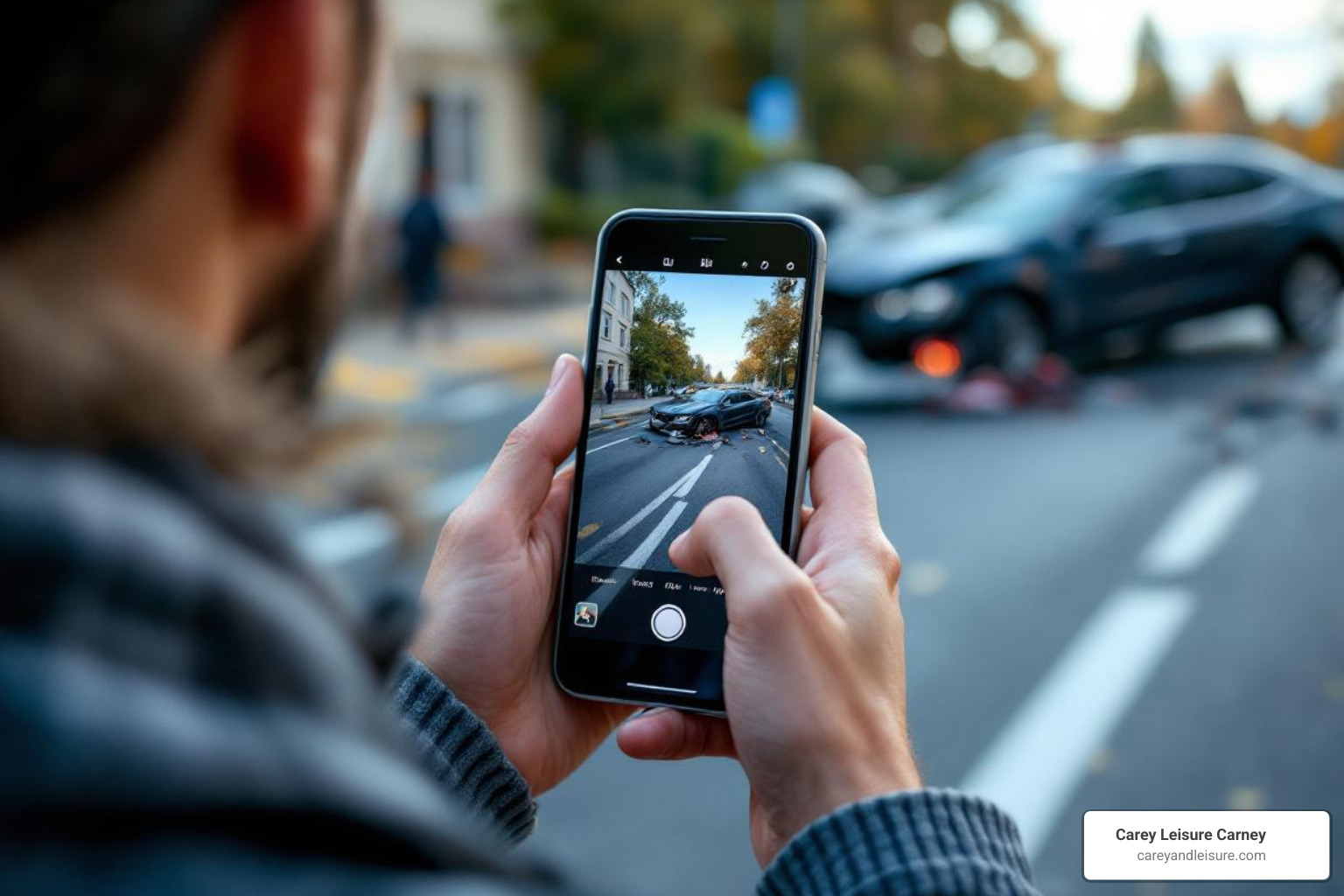
- Document the Scene: Use your smartphone to take photos and videos of everything:
- Damage to all vehicles involved
- The accident scene from multiple angles
- Road conditions, traffic signs, and signals
- Visible injuries
- The rideshare driver’s app status (if possible and safe to do so)
- Get Witness Contacts: If there are witnesses, get their names and phone numbers. Their unbiased accounts can be powerful evidence.
- Preserve Trip Data: Take screenshots of your rideshare app showing your trip details, the driver’s name, vehicle information, and the time of the accident. This helps confirm the driver’s “status” at the time of the crash, which, as we’ve discussed, is vital for insurance coverage.
- Report to the Rideshare Platform: Notify the rideshare platform about the accident through their app or customer service. However, be cautious about providing too many details to their representatives, especially about your injuries, without first consulting with us.
- Contact Us: As soon as you are able, reach out to an experienced ride share negligence attorney. We can guide you through these initial steps and protect your rights from the outset. For a comprehensive guide on what to do after a car accident in Florida, visit What to do after a car accident Florida. If you were a passenger, we have specific advice for you here: What to do if you’re a passenger in an accident.
Seeking Compensation for Your Injuries
After a rideshare accident, you may be entitled to significant compensation for the harm you’ve suffered. Our role as your ride share negligence attorney is to carefully calculate and aggressively pursue every dollar you are owed. Here’s a list of potential damages we can help you recover:
- Medical Expenses: This includes all past and future costs related to your injuries, such as emergency room visits, doctor appointments, surgeries, medications, physical therapy, rehabilitation, and long-term care.
- Lost Wages: If your injuries prevent you from working, you can claim compensation for income lost due to the accident.
- Loss of Earning Capacity: If your injuries result in a permanent disability or reduce your ability to earn a living in the future, we can seek compensation for this long-term financial impact.
- Pain and Suffering: This non-economic damage compensates you for the physical pain, emotional distress, mental anguish, and loss of enjoyment of life caused by your injuries. In Florida, compensation for pain and suffering is a critical component of personal injury claims. Compensation for Pain and Suffering in Florida: What You Need to Know
- Property Damage: This covers the cost of repairing or replacing any personal property damaged in the accident, such as your phone or other belongings.
- Other Damages: Depending on the specifics of your case, other damages might include transportation costs to medical appointments, household services you can no longer perform, or even wrongful death damages in tragic circumstances.
Determining the true value of your case requires an in-depth analysis of your injuries, medical prognosis, financial losses, and the long-term impact on your life. This isn’t a simple calculation. For insights into how we approach this, see What is my personal injury case worth?.
Why You Need an Experienced Ride Share Negligence Attorney
Dealing with the aftermath of a rideshare accident is overwhelming. You’re trying to heal, manage medical bills, and potentially cope with lost income, all while battling complex insurance companies and legal jargon. This is precisely why you need a dedicated ride share negligence attorney on your side. We act as your advocate, navigating the legal complexities so you can focus on recovery.
Proving Fault: The Role of a Ride Share Negligence Attorney
Proving fault in a rideshare accident is rarely straightforward. As we’ve discussed, multiple parties could be liable, and insurance companies will often try to shift blame or minimize their payout. This is where our expertise truly shines.
- Evidence Gathering: We launch a thorough investigation, collecting crucial evidence that might otherwise be overlooked. This includes police reports, accident scene photos, witness statements, medical records, and most importantly, data from the rideshare platform itself. We can use legal tools like subpoenas to force rideshare platforms to produce crucial evidence such as driver history, electronic data, and company policies, which they might otherwise withhold.
- Accident Reconstruction: In complex cases, we work with accident reconstruction specialists. These experts can analyze physical evidence, vehicle damage, and impact data to recreate the accident sequence and definitively establish fault.
- Expert Witnesses: We may also engage medical experts to testify about the nature and extent of your injuries, vocational experts to assess lost earning capacity, and economic experts to quantify future financial losses.
- Deposing the Driver: We can depose the rideshare driver and other parties involved, asking detailed questions under oath to uncover facts and inconsistencies that strengthen your case.
- Communicating with Claims Representatives: Insurance companies are notorious for trying to settle claims quickly and for the lowest possible amount. We handle all communications with claims representatives, protecting you from tactics designed to undermine your claim. We know their playbook, and we won’t let them take advantage of you.
- Building a Strong Case: Our board-certified attorneys, with over a century of combined experience, know how to weave all this evidence into a compelling narrative that proves negligence and demonstrates the full extent of your damages. For more about our investigative process, check out How Attorneys Use Investigations for Your Personal Injury Claim.
Navigating Deadlines with a Ride Share Negligence Attorney
Time is a critical factor in personal injury claims, and rideshare accidents are no exception. There are strict legal deadlines that, if missed, can permanently bar you from seeking compensation.
- Statute of Limitations: In Florida, the general statute of limitations for personal injury lawsuits, including those arising from rideshare accidents, is typically two years from the date of the accident. While this may seem like a long time, investigations, evidence gathering, and negotiations can take months. Missing this deadline means you lose your right to sue.
- Filing Deadlines: Beyond the general statute of limitations, there might be other specific filing deadlines, especially when dealing with multiple insurance policies or potential claims against government entities if road conditions contributed to the crash.
- Notice Requirements: Some claims may also have specific notice requirements that must be met within a shorter timeframe.
- Protecting Your Claim: A knowledgeable ride share negligence attorney will ensure all deadlines are met, preserving your legal rights. We carefully manage your case timeline, so you don’t have to worry about missing crucial dates. This strategic approach is part of The Litigation Process, ensuring your claim is protected every step of the way.
Choosing the right legal representation is one of the most important decisions you’ll make after a rideshare accident. We have the experience, resources, and dedication to fight for the justice and compensation you deserve. For insights into what to look for when selecting legal counsel, visit Hiring a Law Firm: What You Need to Know.
Conclusion
The rise of rideshare services has undeniably changed how we travel, but it has also introduced a labyrinth of legal complexities when accidents occur. From the initial chaos of the crash scene to the intricate layers of insurance policies and the nuances of independent contractor liability, navigating a rideshare accident claim is far from simple.
We’ve explored how crucial it is to understand:
- The common causes of these accidents, often rooted in driver distraction or fatigue.
- The “independent contractor dilemma” and how it impacts platform liability.
- The complex, tiered insurance coverage that shifts based on a driver’s app status.
- The vital steps you must take immediately after an accident to protect your rights and gather evidence.
- The types of compensation you can seek for your medical expenses, lost wages, and pain and suffering.
Most importantly, we hope you now understand why the guidance of an experienced ride share negligence attorney is not just beneficial, but often essential. We are here to prove fault, untangle insurance policies, negotiate with stubborn adjusters, and ensure all legal deadlines are met. Our Board-Certified attorneys, recognized among the top 2% in Florida, bring over 100 years of combined experience to your case, offering direct attorney access and personalized service every step of the way.
If you or a loved one has been injured in a rideshare accident in Clearwater, Largo, New Port Richey, Spring Hill, St Petersburg, Trinity, or Wesley Chapel, Florida, don’t face the powerful legal teams of rideshare platforms and their insurers alone. Let us champion your rights and fight for the full and fair compensation you deserve.
Contact our experienced Rideshare Accident Attorney team for a free consultation today. We’re ready to listen to your story and help you understand your legal options.